
Lieferung heute & morgen

Qualitätsgarantie
App herunterladen
Kategorien
The arrival of a baby's first teeth is a major developmental milestone, but it often comes with discomfort and jaw pain. A teether serves as a teething aid by allowing the baby to apply counter-pressure to their gums through chewing. This pressure can alleviate discomfort. Selecting the right product requires a careful consideration of material, shape, and functionality. This article provides a structured overview of the key criteria to help you make an informed decision.
The choice of a teether should be based on objective features. Material properties, safety standards, and functional characteristics are the central parameters.
In the European Union, materials used for baby products are subject to strict regulations, particularly the EN 71 standard (Safety of toys). The choice of material directly impacts the teether's feel, care, and potential uses.
Besides the material, the function determines the primary purpose.
The following products illustrate different approaches and material concepts in the teething aid category. The selection is based on technical specifications and intended use.
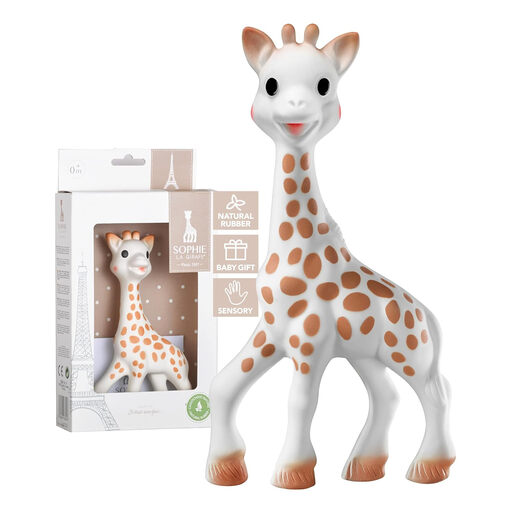
Why We Recommend It: This model is a timeless classic that has served as a teething toy and sensory toy for decades. It is made entirely of natural rubber and painted with food-grade colouring. The numerous gripping and chewing options (ears, horns, legs) offer the baby various tactile stimuli and allow them to target specific sore spots in their jaw.
Pros:
Best For: Parents seeking a multifunctional product from natural materials that serves as a toy from birth and later as a teething aid. It is also a popular choice as a newborn gift.
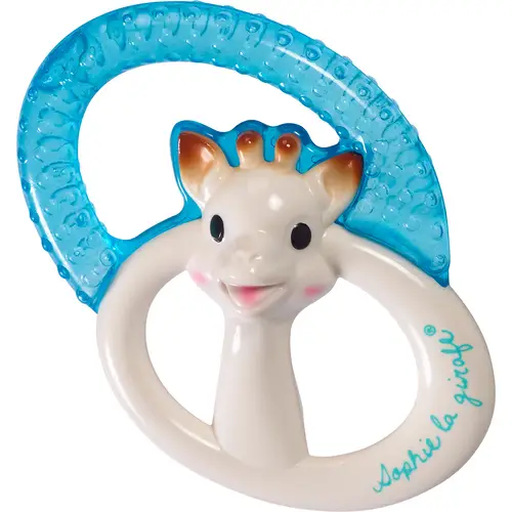
Why We Recommend It: This model is a specialised cooling teether. It combines the benefits of natural rubber with a cooling function for targeted relief of acute teething discomfort. The ergonomic shape with two handles is specifically designed for small hands.
Pros:
Best For: Babies in the intensive teething phase who may benefit from cold application for pain relief.
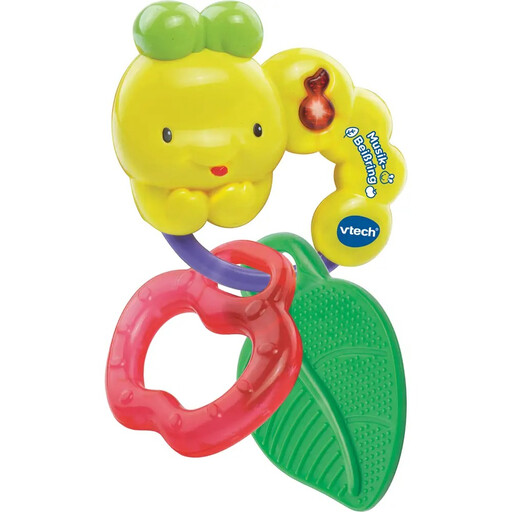
Why We Recommend It: This product integrates multiple functions into one device. It combines two different teething elements—a coolable one and a soft rubber one—with electronic play components. This serves to both relieve teething pain and provide entertainment and sensory stimulation for the child.
Pros:
Best For: Parents looking for a versatile teething toy that goes beyond the pure teething function to actively engage and stimulate the child.
The featured models cover specific use cases. A baby's individual preferences for material, shape, and firmness can vary. If you are looking for other designs, materials, or brands, a broader selection may be helpful.
Discover our entire range of baby teethers to find the perfect product for your child's needs.
A baby teether can be offered as soon as the first signs of teething appear. This typically occurs between three and six months of age. Signs can include increased drooling, chewing on hands and objects, and restlessness.
The cleaning method depends on the material. Teethers made of silicone or hard plastic can often be cleaned in the dishwasher or boiled. Products made of natural rubber, like Sophie la Girafe, should only be wiped with a damp cloth and mild soapy water as per the manufacturer's instructions, as heat can damage the material. It is crucial to follow the care instructions for each specific product.
A cooling teether is not inherently more beneficial, but it offers a different type of relief. The cold has a mild numbing effect on swollen gums. Some babies prefer this cold sensation, while others prefer the texture and resistance of a non-chilled teether at room temperature. The choice depends on the individual child's reaction.
Authored by: Joybuy Product Recommendation Officer