
Lieferung heute & morgen

Qualitätsgarantie

Willkommens-Angebote freischalten: KOSTENLOSE Lieferung | Bis zu 80 % RABATT | Kostenlose 30-Tage-JoyPlus-Testphase
App herunterladen
Anyone who has ever enjoyed perfectly prepared tempura—whether it's delicate vegetables or succulent prawns enveloped in a paper-thin, crispy coating—wants to recreate the experience at home. However, attempts often fail due to the batter's texture. It becomes too dense, absorbs too much oil, or fails to get properly crisp. The solution often lies in choosing the right flour. A special tempura batter mix is specifically designed to create the light and airy coating that is characteristic of authentic tempura.
This article serves as your guide. We will introduce different types of frying flour and explain what to look for when making your selection, so you can effortlessly prepare restaurant-quality dishes at home.
Choosing the right ready-mix can be the difference between a good and an outstanding result. Here are three objective criteria to help you decide.
An effective batter for tempura is based on a carefully balanced blend of different ingredients. Unlike pure wheat flour, whose gluten content can lead to a tough batter, tempura mixes often combine several components:
A good mix balances these elements so that the batter adheres well but doesn't feel heavy or greasy after frying.
For home cooks who want to make tempura themselves, simple preparation is key. Most high-quality mixes only require the addition of ice-cold water. Using very cold water is a crucial step, as it inhibits gluten development in the wheat flour, resulting in a lighter batter. Pay attention to the manufacturer's instructions: some mixes benefit from being stirred only briefly, leaving small lumps in the batter.
Although tempura originated in Japan, similar fried dishes exist throughout Asian cuisine, particularly in Korea. An Asian frying flour may have slightly different properties depending on its country of origin. Japanese mixes often aim for an extremely light and almost translucent crust. Korean frying mixes (Twigim-garu) are sometimes more robustly seasoned and produce a crust that is also very crispy but occasionally a bit more substantial. Your choice may depend on whether you want to prepare a specific Japanese or Korean dish.
Based on the criteria above, we have compiled a selection of products that stand out for their composition and ease of use.
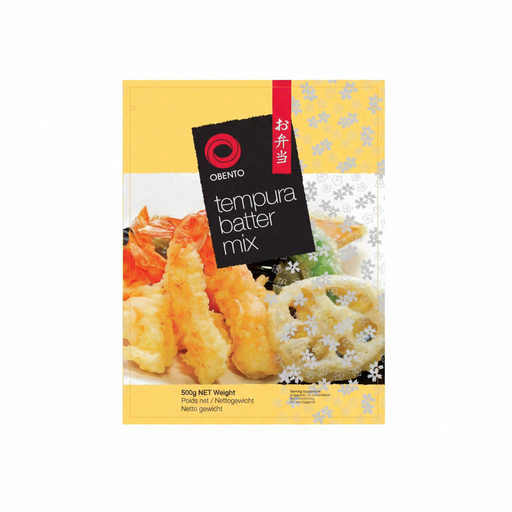
Why It Stands Out: The Obento Tempura Batter Mix is a classic Japanese-style flour blend specially formulated for a light and crispy tempura texture. The formula is based on wheat flour and corn starch and already includes leavening agents. A key tip from the manufacturer is to prepare it with ice-cold water and to stir the batter only briefly, which ensures the characteristically airy coating.
Pros:
Who It's For: Users seeking an authentic Japanese tempura experience who prefer a straightforward mix that delivers reliable results. Ideal for beginners and purists.
View Product: OBENTO TEMPURA BATTER MIX 500 G
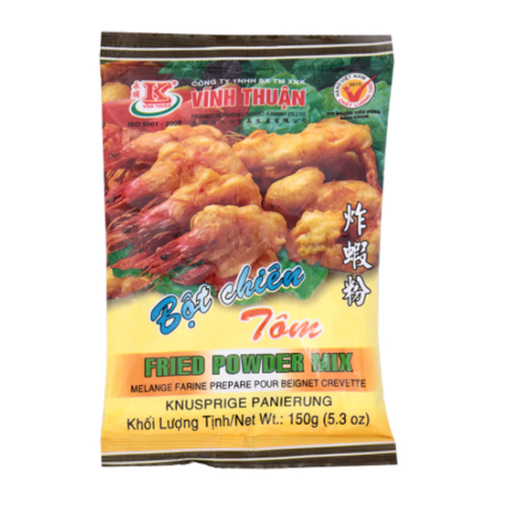
Why It Stands Out: This frying flour mix from Vinh Thuan in Vietnam is distinguished by its special triple-flour combination. With 50% corn starch, 39% wheat flour, and 10% rice flour, the recipe is designed to create a particularly crispy yet delicate, non-greasy crust. The included baking powder (1%) provides an airy texture.
Pros:
Who It's For: Cooks looking for a versatile frying mix for various dishes (not just tempura) who value an exceptionally golden and crisp texture. The smaller package size is practical for trying it out.
View Product: Vinh Thuan Fried Flour Mix 150g
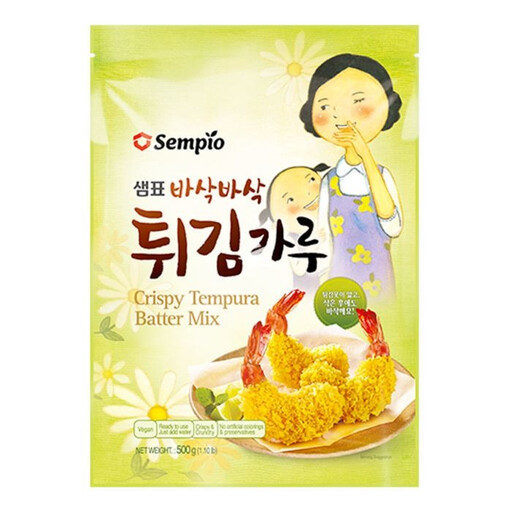
Why It Stands Out: Sempio, a well-known Korean brand, offers a solution for authentic Korean "Twigim" with this mix. The recipe is based on a high proportion of 90% wheat flour, supplemented with corn starch and baking powder. A delicate seasoning of salt and white pepper is already included, ensuring an authentic flavour.
Pros:
Who It's For: Fans of Korean cuisine who want to prepare dishes like fried vegetables (Yachae Twigim) or prawns (Saeu Twigim) at home with an authentic taste.
View Product: Sempio Crispy Tempura Batter Mix 500g
Didn't find the right mix for your project, or are you looking for other specialized baking mixes? In our comprehensive Food Mixes category, you'll find a wider selection of products for Asian and international cuisine.
1. Can you use regular all-purpose flour for tempura? Theoretically, yes, but the result will be significantly different from that made with a special tempura mix. Regular wheat flour has a higher gluten content, which can make the batter denser and tougher after frying. Tempura mixes contain starch and leavening agents specifically designed to create a light, airy, and crispy texture.
2. How do you make tempura batter extra crispy? Three factors are crucial: