
Lieferung heute & morgen

Qualitätsgarantie

Willkommens-Angebote freischalten: KOSTENLOSE Lieferung | Bis zu 80 % RABATT | Kostenlose 30-Tage-JoyPlus-Testphase
App herunterladen
The variety of Thai rice can be overwhelming. Faced with choices like jasmine, sticky, and various long-grain types, you might wonder which is right for your next Thai curry or an authentic Mango Sticky Rice. The right type of rice is the foundation for many successful Asian dishes, as your selection determines the final texture and flavour.
This guide serves as an objective resource. We will introduce you to different rice varieties, explain their characteristics, and suggest which dishes they are best suited for. Our goal is to provide the information you need to make an informed purchasing decision when searching for Asian groceries online.
A few key criteria can help you find the perfect rice for your kitchen. Instead of relying on marketing claims, it's best to focus on objective characteristics like variety, quality seals, and package size.
The most important decision is the variety. The two most well-known types of Thai rice have very different properties:
When looking for high-quality jasmine rice, look for the green "Thai Hom Mali" seal. This is a government-certified seal from the Thai Ministry of Commerce that authenticates the rice's origin and quality. It guarantees that the package contains at least 92% Hom Mali variety rice grown in Thailand. This seal is a reliable indicator of premium fragrant rice from Thailand.
Thai rice is available in various package sizes. For households where rice is a staple food served several times a week, a bulk package like a 4.5 kg bag of rice is often the more economical choice. When stored correctly, the rice stays fresh for a long time. For occasional cooks or for trying a new variety, a 1 kg package may be more practical to save space and ensure the rice is used while fresh.
Based on the criteria above, we have curated a selection of products that meet different needs and use cases.
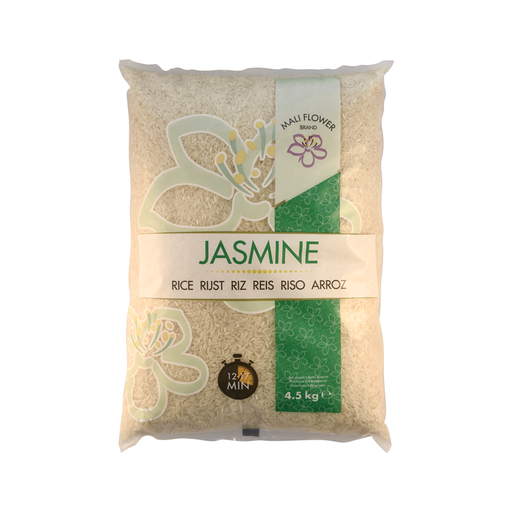
Why It Stands Out This rice carries the official certification as Thai Hom Mali rice, which designates it as a premium jasmine rice. Its defining characteristic is the natural, pandan-like aroma that develops during cooking, lending an authentic fragrance to your kitchen.
Objective Features
Who Is This Product For? This product is aimed at households that consider rice a regular part of their diet and appreciate the authentic, fragrant flavour of jasmine rice as an accompaniment to curries, stews, and stir-fries.
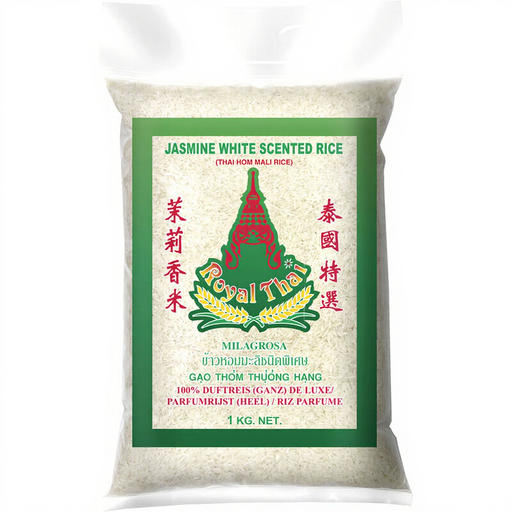
Why It Stands Out This long-grain rice from Royal Thai is, according to the manufacturer, a white rice with no distinct aroma of its own. This quality makes it especially versatile, as it won't overpower the flavours of other ingredients. It is therefore well-suited for dishes like fried rice, where the aromas of soy sauce, vegetables, and other components are meant to take centre stage.
Objective Features
Who Is This Product For? For home cooks looking for a neutral, consistent-quality long-grain rice for a wide range of dishes, especially for making fried rice.
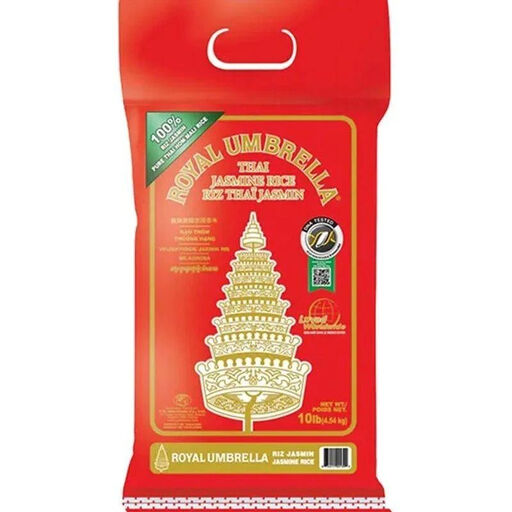
Why It Stands Out Note: Although the product name includes "Jasmine Rice," the product description specifies it is 100% Thai sticky rice (Glutinous Rice). This product is specifically designed for preparing dishes that require a sticky, cohesive texture.
Objective Features
Who Is This Product For? This product is the right choice for anyone who wants to prepare authentic Thai desserts, especially sticky rice for Mango Sticky Rice. It is aimed at cooks who need a specific, sticky texture for their dishes.
If the products featured here don't exactly meet your needs, or if you'd like to explore a wider selection of fragrant rice and other Asian rice varieties, you can find more options in our main category. There, you can compare different brands and package sizes.
1. What is the difference between jasmine rice and regular long-grain rice? Jasmine rice is a specific variety of long-grain rice distinguished by its natural, floral aroma. Other long-grain rice varieties are typically more neutral in flavour and lack a distinct aroma of their own. Additionally, the texture of jasmine rice is often slightly softer and stickier than that of standard long-grain rice.
2. Should you wash Thai rice before cooking? Yes, it is generally recommended to wash rice before cooking. Rinse the rice in a bowl with cold water, swirling it with your hands. Pour off the cloudy water and repeat the process until the water runs mostly clear. This step removes excess starch from the surface of the grains, resulting in a better final product with fluffier, more defined grains.
3. How do I properly store a large bag of rice (e.g., 4.5 kg)? To preserve its freshness and aroma, rice should be transferred to an airtight container after opening the original packaging. Store the container in a cool, dry, and dark place. This protects the rice from moisture, odours, and pests, ensuring its quality is maintained over a longer period.