
Lieferung heute & morgen

Qualitätsgarantie

Willkommens-Angebote freischalten: KOSTENLOSE Lieferung | Bis zu 80 % RABATT | Kostenlose 30-Tage-JoyPlus-Testphase
App herunterladen
When the temperatures drop, finding the right men's thermal wear quickly becomes a priority. But the market is flooded with products whose labels promise more than they deliver. Many men invest in supposedly warm clothing, only to find they're still freezing at the first sign of cold. This is often due to common but avoidable mistakes during the selection process.
As your Joybuy Product Recommendation Officer, I'll help you identify the typical pitfalls and make an informed decision. Let's focus on the facts that truly matter.
The 3 Most Common Mistakes When Buying Thermal Clothing:
To avoid falling into these traps, you should focus on three core parameters. These define whether a garment will truly perform in the cold.
The material is the foundation of any functional thermal clothing. The choice depends on the intended use.
Effective warmth is not achieved with a single thick layer, but through the interaction of several thin layers.
The functionality of thermal clothing lives or dies by its fit. The base layer should fit snugly against the body without restricting movement. This is the only way it can optimally absorb moisture. Also, look for flatlock seams. These flat seams prevent friction on the skin, which is crucial for long and high-intensity activities.
Based on these objective criteria, we have selected a few products for typical user profiles.
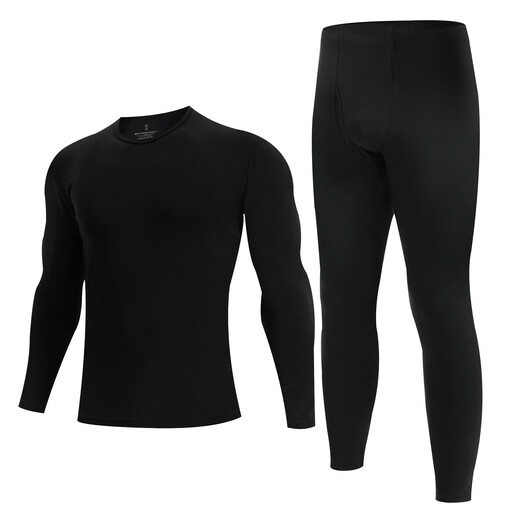
Why it's a good fit: Ideal for the daily commute to work or a weekend walk. This set serves as a discreet, comfortable base layer under normal clothing. The soft material and seamless design ensure all-day comfort without irritation.
It relies on a moisture-wicking synthetic fabric instead of cotton. The fleece lining provides warmth, while its breathability prevents you from getting cold from sweat.
A complete set including a top and bottom. The seamless design and skin-friendly material offer high comfort for daily use.
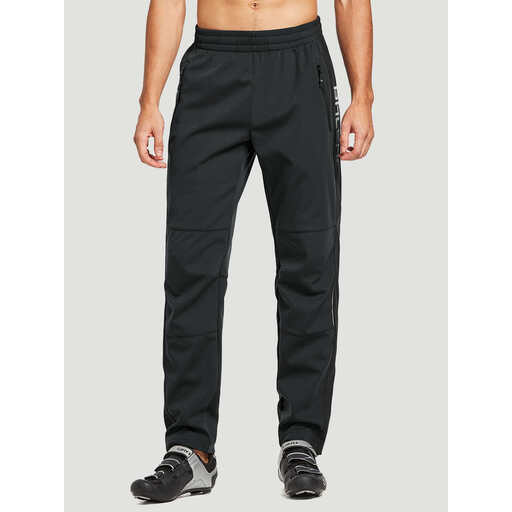
Why it's a good fit: Designed for high-movement activities like cycling, hiking, or cross-country skiing in cold weather. These lined outdoor trousers combine a windproof outer layer with a warm fleece lining, providing protection and insulation in one.
This is a technical garment specifically engineered for sports. It addresses both insulation (fleece) and weather protection (windproof material), and is not a generic "thermal" pair of trousers.
Functional details like zipped pockets, an adjustable waistband, and reflective elements increase practicality and safety during outdoor activities.

Why it's a good fit: Perfect for anyone who values natural materials. This merino beanie offers excellent temperature regulation and is naturally odour-resistant—ideal for hikes or daily use without sacrificing functionality.
It uses 100% merino wool, a high-quality functional material with proven properties, instead of a vaguely defined "thermal" blend. The additional fleece lining maximises warmth.
Combines the benefits of natural and synthetic fibres: The merino wool exterior regulates temperature, while the soft polyester fleece inside provides additional, wind-resistant warmth.
We have compiled a complete, up-to-date list of products that meet these strict selection criteria.
Most functional materials should be washed at low temperatures (30 or 40 degrees Celsius). Use a mild detergent and be sure to avoid fabric softener, as it clogs the pores of the fibres and impairs breathability. Air-dry the clothing and do not use a tumble dryer to protect the material.
There is no one-size-fits-all answer, as it depends on the intended use.
Lightweight base layers made from moisture-wicking materials can also be useful in the summer for sports activities to keep the skin dry. However, thick, insulating thermal clothing, especially with a fleece lining, is designed exclusively for cold temperatures and would lead to overheating in the summer.