
Lieferung heute & morgen

Qualitätsgarantie

Willkommens-Angebote freischalten: KOSTENLOSE Lieferung | Bis zu 80 % RABATT | Kostenlose 30-Tage-JoyPlus-Testphase
App herunterladen
A reliable fever thermometer is an essential part of any home first-aid kit, especially for families with babies and young children. But with a vast selection and endless marketing claims, choosing the right model can quickly become overwhelming. Many devices promise split-second readings or numerous extra features, but fail to deliver on those promises in everyday use.
As your Joybuy Product Recommendation Officer, I'm here to help you identify the common pitfalls and make an informed decision. We'll focus on the facts that truly matter.
The 2 most common pitfalls when buying a fever thermometer:
To avoid these traps, you should check three key parameters before buying. These will determine if a device is right for your needs.
The measurement method is the most crucial criterion. Each technique has specific pros and cons, making it suitable for different user groups and situations.
Especially in stressful situations with a sick child, simple operation and clear displays are crucial.
Instead of making a one-size-fits-all recommendation, we have selected models tailored to specific needs and user profiles.

Why This Fits Their Persona: Ideal for users looking for a straightforward, reliable, and affordable contact thermometer for their home first-aid kit. It is well-suited for accurate rectal measurements in infants.
This device focuses on a single, proven measurement method and avoids unreliable multi-function features. There are no ongoing costs for protective caps.
Flexible tip for gentle use, a waterproof tip for easy cleaning, and an audible fever alarm.
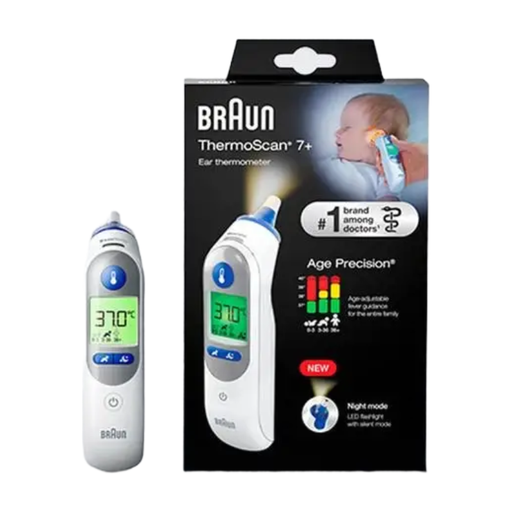
Why This Fits Their Persona: Perfect for parents who want fast, comfortable, and precise measurements for children of all ages. The age-adjustable fever interpretation provides additional peace of mind.
This device addresses the inaccuracy pitfall with a pre-warmed tip and Age Precision technology. The ongoing costs for protective caps are a deliberate trade-off for hygiene and accuracy.
Age Precision technology with a colour-coded display for age-appropriate temperature interpretation and a night mode for taking measurements in the dark.

Why This Fits Their Persona: For anyone who prefers a touch-free, fast, and hygienic measurement. Ideal for sleeping children or for quick check-ups without disturbing anyone.
The PositionCheck technology, featuring a light and proximity sensor, minimises the user errors that lead to inaccuracies in many contactless devices. There are no ongoing costs for caps.
PositionCheck technology for precise alignment, dual measurement (contact/contactless), and a silent mode for undisturbed readings.
We have compiled a complete, up-to-date list of products that fully meet these strict selection criteria and rigorous safety standards.
Both technologies can deliver accurate results when used correctly. An ear thermometer measures the infrared radiation from the eardrum, which is considered a good indicator of core body temperature. A contactless forehead thermometer measures the surface temperature of the skin and converts it to a core temperature reading. High-quality models with positioning aids, like the Braun fever thermometer Sensian 7, significantly increase the reliability of forehead measurements. For both types, correct handling according to the user manual is crucial for an accurate fever thermometer.
For newborns and infants, many paediatricians recommend rectal measurement with a digital thermometer that has a flexible tip, as this method is considered highly accurate. As children get older or when they are sleeping, high-quality ear or forehead thermometers offer a faster and more comfortable alternative. The choice often depends on the parents' preference and the child's tolerance. A device with an age-adjustable fever definition can give parents extra peace of mind.
Manufacturers like Braun recommend using a new, clean protective cap for the ear thermometer for every single measurement. There are two important reasons for this: hygiene, to prevent the transmission of germs between different people or readings, and accuracy. A reused cap can be blocked by dirt or earwax, which can skew the infrared sensor's reading and falsify the result.