
Lieferung heute & morgen

Qualitätsgarantie

Willkommens-Angebote freischalten: KOSTENLOSE Lieferung | Bis zu 80 % RABATT | Kostenlose 30-Tage-JoyPlus-Testphase
App herunterladen
When a baby or toddler has a fever, it's a worrying time for parents. A quick and accurate temperature reading is crucial to correctly assess their health. However, the market offers a wide variety of devices: forehead thermometers, ear thermometers, or classic digital thermometers. The choice can be overwhelming.
This guide is designed to help you understand the different types of baby thermometers and find a model that suits your family's needs. We'll introduce a selection of devices with various features to provide you with an informed basis for your decision.
Before you decide on a model, there are a few key aspects to consider. The right choice depends on your priorities—whether it's speed, measurement method, or additional features.
The type of thermometer significantly determines the ease of use and comfort for your child.
Modern thermometers offer more than just a temperature display. The following features can make them easier to use:
Here is a selection of devices that cover different needs—from quick, contactless measurement to versatile application.

Why it stands out: The Braun Sensian 7 combines contactless measurement with supportive technologies designed to reduce measurement errors. According to the manufacturer, its PositionCheck technology uses a targeting light and a proximity sensor to help you find the correct distance and position on the forehead.
Pros:
Best for: Parents looking for a fast, hygienic, and easy-to-use contactless thermometer with additional guidance features for an accurate reading.
View details for the Braun Sensian 7
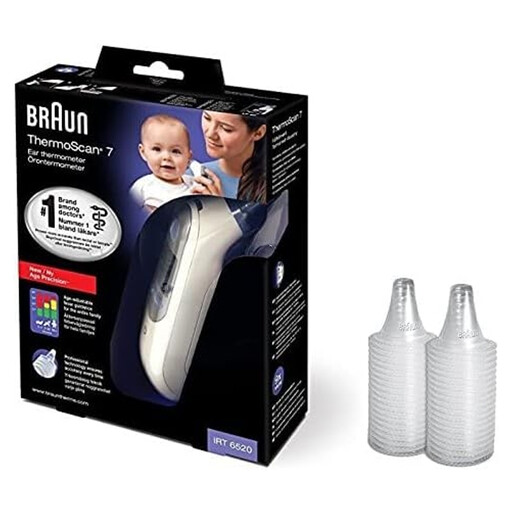
Why it stands out: The ThermoScan 7 is a well-established ear thermometer that also features Age Precision technology. A unique feature is its pre-warmed tip, which is designed to minimise the cooling effect in the ear and thus contribute to a more accurate measurement.
Pros:
Best for: Families who prefer a thermometer for children and adults that relies on the proven and fast ear measurement method and offers age-appropriate analysis.
View details for the Braun ThermoScan 7
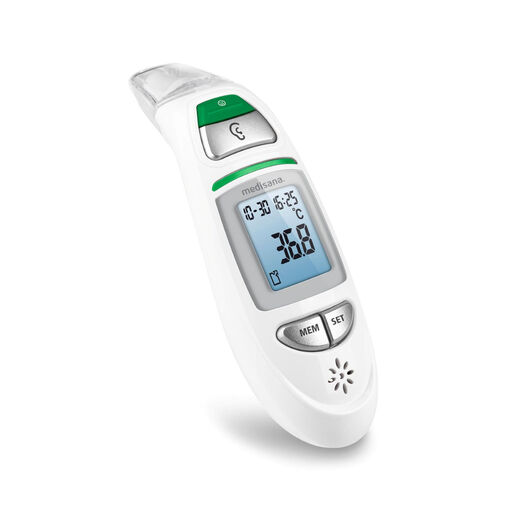
Why it stands out: The medisana TM 750 is a versatile, multi-function device. It not only measures fever on the forehead and in the ear but can also measure the temperature of surfaces, liquids, and the ambient environment.
Pros:
Best for: Users looking for an all-in-one device for the whole family that is versatile for household use beyond just measuring fever.
View details for the medisana TM 750

Why it stands out: This digital thermometer focuses on the basics and offers a flexible tip for more comfort during rectal, oral, or axillary measurement. It's a straightforward and affordable option.
Pros:
Best for: Those who want a simple, reliable, and inexpensive digital thermometer for the classic measurement method and value a flexible tip.
View details for the Sunlife Digital Thermometer
Choosing the right thermometer is a very personal decision. If the models presented here don't fully meet your requirements or if you'd like to compare more options, you're sure to find the right device in our broader selection.
Discover more models in our Temperature Monitor category.
For newborns (0–3 months), contactless forehead thermometers are often recommended as they allow for a measurement without touch or disturbance. Alternatively, rectal measurement with a digital thermometer featuring a flexible tip is considered a highly accurate method by medical professionals, but it can be uncomfortable for the baby. Ear thermometers are generally recommended for babies aged 6 months and older, as the ear canal in newborns is still very narrow.
Modern contactless thermometers can deliver very accurate results when used correctly. To get an accurate thermometer reading, it's important to follow the manufacturer's instructions precisely. Factors such as the correct distance from the forehead, a clean sensor lens, and a calm environment (no draughts) are crucial. Improper use is the most common cause of inaccurate readings.
The correct method depends on the type of thermometer.