
Lieferung heute & morgen

Qualitätsgarantie

Willkommens-Angebote freischalten: KOSTENLOSE Lieferung | Bis zu 80 % RABATT | Kostenlose 30-Tage-JoyPlus-Testphase
App herunterladen
By the Joybuy Product Recommendation OfficerPublished on August 30, 2026
A hot coffee that's merely lukewarm after three hours, or a backpack soaked through by a supposedly sealed bottle—these situations are more than just annoying. The market for thermos flasks is filled with products that promise a lot but often fail to deliver. Before you make a decision, it's crucial to understand the common pitfalls that can lead to a bad buy.
To avoid these problems, you need to focus on the right criteria.
Choosing the right model depends on objective, verifiable features. Instead of being swayed by marketing claims, you should focus on the following three core parameters.
The material is the foundation for durability and safety. Most high-quality insulated flasks are made of double-walled stainless steel. This material is robust, taste-neutral, and rust-proof. A vacuum between the two walls prevents the transfer of heat or cold, providing the insulation.
Also, look for the BPA-free label. Bisphenol A (BPA) is a chemical found in some plastics that can leach out when in contact with hot liquids. A BPA-free product, especially for lids and seals, ensures that no unwanted substances get into your drink.
The claim "keeps warm for a long time" is relative. Reputable manufacturers provide specific insulation performance figures, such as "12 hours hot" or "24 hours cold." These values are determined under lab conditions but serve as a good benchmark. The crucial factors are the quality of the vacuum and the design of the lid, as this is where most heat is lost.
Designing a leak-proof thermal mug is a technical challenge. Look for high-quality silicone gaskets and closure systems specifically designed for transport. Screw-on lids are often more reliable than simple click or slide closures.
The size should match your intended use. A 1.5L insulated jug is excellent for family outings or the office, while a compact 0.5-litre on-the-go drinking bottle is sufficient for the daily commute.
Handling is also important. A wide opening makes filling and cleaning easier. An integrated cup, a carrying handle, or one-handed operation can significantly enhance everyday convenience. A classic thermos coffee pot for the breakfast table has different design requirements than a rugged bottle for a hike.
Based on these objective criteria, we have identified some models that are particularly well-suited for specific use cases.
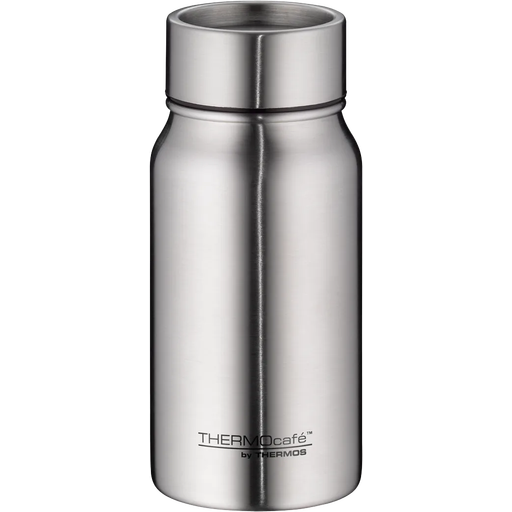
Why it's a great fit: At 0.35 litres, this mug is the perfect size for a morning coffee. Its slim design fits most cup holders and bags. The one-handed operation is ideal for a hectic daily routine.
The push-button lid is designed for a perfect seal and allows drinking from any side (360°). It directly addresses the issue of leaky seals during movement.
The lid can be disassembled and is dishwasher-safe, allowing for easy, hygienic cleaning and preventing the problem of hard-to-clean mechanisms.
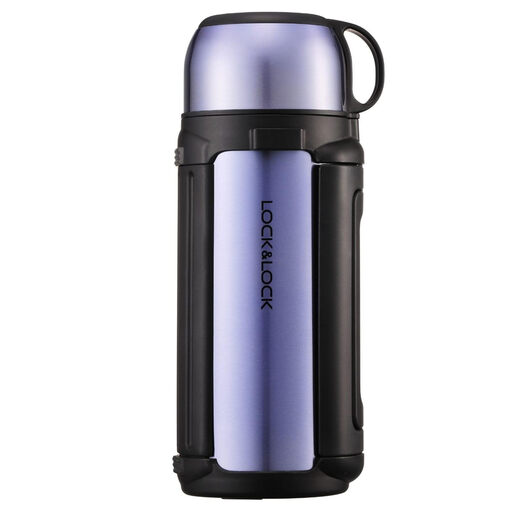
Why it's a great fit: With a 1.5-litre capacity, this jug can supply the whole family during a picnic or provide enough coffee for long car trips. The carrying strap and folding handle make transport straightforward.
The simple yet robust screw-on lid is reliably leak-proof. The wide opening makes filling and manual cleaning very easy, which helps avoid hygiene issues.
According to the manufacturer, the double-walled stainless steel insulated flask features a special copper coating for enhanced temperature retention and an integrated cup for drinking on the go.
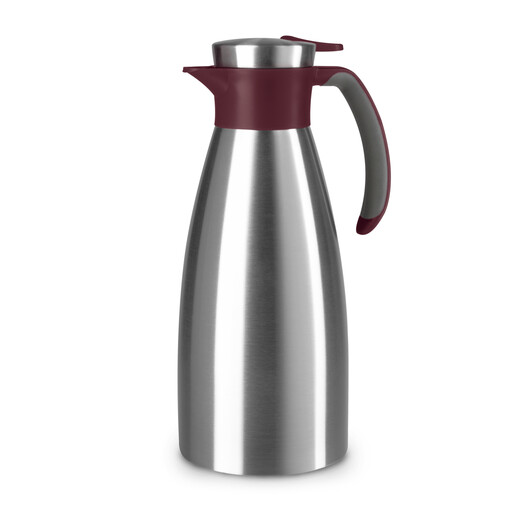
Why it's a great fit: This jug combines a large capacity with an elegant design that looks great on any coffee table. It's ideal for serving guests hot coffee or tea over an extended period.
Emsa states a clear insulation performance of 12 hours for hot beverages, countering the problem of vague promises. The Quick-Tip closure is designed for drip-free pouring.
The non-slip soft-grip handle and one-handed operation of the closure offer high comfort and safety when pouring, even when the jug is full and heavy.
We've compiled a complete, up-to-date list of products that fully meet these strict selection criteria and German safety standards.
For daily cleaning, rinsing with hot water and a little mild washing-up liquid is usually sufficient. For stubborn deposits, such as from tea or coffee, a mixture of warm water and a spoonful of baking soda can help. Let the mixture soak for a few hours, then rinse the flask thoroughly. Avoid steel wool or abrasive cleaners, as they can damage the stainless steel surface. Always check the manufacturer's instructions to see if any parts of the product are dishwasher-safe.
BPA (Bisphenol A) is an industrial chemical used to make certain plastics and resins. Studies suggest that BPA can leach from containers into food or beverages, especially when heated. The BPA-free label guarantees that the plastic parts of your product, such as the lid or gaskets, were made without this chemical. This is an important safety feature to ensure healthy and safe use.
It is generally not recommended, as the pressure created by the carbonation can damage the sealing mechanism or cause the lid to pop open abruptly upon opening. This can lead to injury or spills. However, a few models, like the Thermos TC Bottle, are explicitly designated by the manufacturer as suitable and leak-proof even with carbonated drinks. Always read the specific warnings and instructions from the manufacturer for this.