
Lieferung heute & morgen

Qualitätsgarantie

Willkommens-Angebote freischalten: KOSTENLOSE Lieferung | Bis zu 80 % RABATT | Kostenlose 30-Tage-JoyPlus-Testphase
App herunterladen
A tinted face sunscreen promises the ideal combination of skincare, sun protection, and an even complexion in a single step. But the search for the perfect product can quickly become overwhelming. Many formulas fail to deliver on their promises, leading to disappointment and unnecessary expense. This guide will help you identify the key features to look for and make an informed choice.
The most common problems during selection are easy to spot:
To avoid a bad purchase, you should check three core parameters before choosing a tinted day cream with SPF.
The Sun Protection Factor (SPF) indicates how well a product protects against UVB radiation, which is responsible for sunburn. For daily use, an SPF of at least 30 is recommended. An SPF 50 offers even greater protection and is particularly useful for fair, sensitive skin or on days with intense sun exposure.
Just as important is protection against UVA rays, which penetrate deeper into the skin and contribute to premature ageing (anti-ageing sunscreen) and dark spots. Look for the UVA symbol (the letters UVA in a circle) on the packaging. This seal guarantees that the UVA protection is at least one-third of the stated SPF, thus meeting the EU recommendation for broad-spectrum protection. Products from Asia often use the PA system (e.g., PA++++) to indicate UVA protection.
Product names—like SPF 50 BB Cream, CC cream with sun protection, or light tinted face sunscreen—can give clues about the texture, but the formulation is what truly matters.
Coverage varies widely. While some products provide just a hint of colour to subtly even out the skin tone, others offer light to medium coverage that conceals redness and minor imperfections. Consider the result you want: a very natural look or an effect closer to a light foundation.
Don't rely solely on descriptions like "light" or "medium." Check if a brand offers a wider range of shades to help you find the right undertone for your skin.
Based on the criteria above, we have identified several products that are particularly well-suited for specific needs.
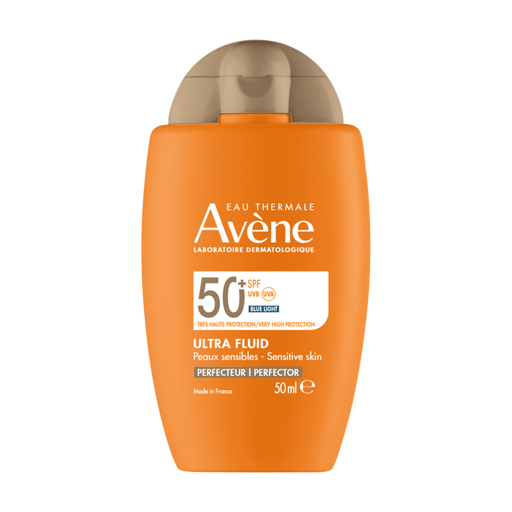
Why it's a match: Developed specifically for sensitive skin, this fluid offers very high protection in an ultra-light, water-like texture. It is fragrance-free and minimises the risk of irritation.
Solves the "wrong texture" problem for sensitive skin, as the non-irritating formula absorbs quickly and leaves no sticky residue.
Contains the TriAsorB filter, which the manufacturer claims provides broad-spectrum protection against UVB, UVA, and high-energy visible (HEV) blue light.
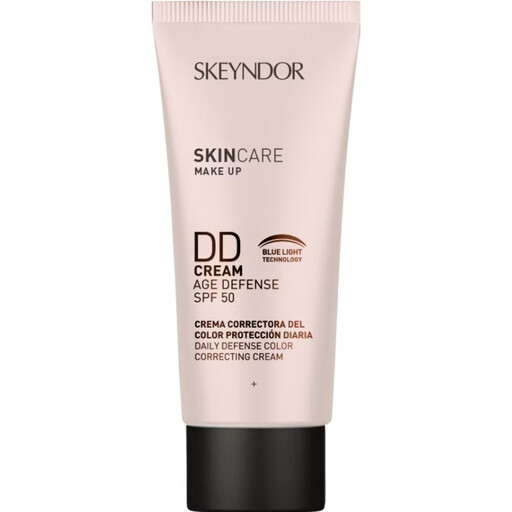
Why it's a match: This DD (Daily Defense) cream combines a very high SPF 50 with an anti-ageing formulation. It provides moisture and aims to reduce the signs of skin ageing.
Addresses "inadequate protection" by offering high broad-spectrum SPF 50, which is crucial for preventing photoageing.
A multifunctional formula that combines skincare, high protection, and a light tint for an even complexion.
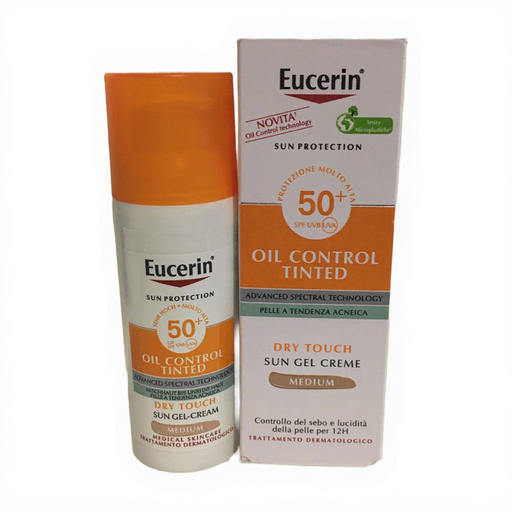
Why it's a match: This gel-cream is specifically designed for oily and blemish-prone skin. It offers a high SPF 50+ and a mattifying effect that provides long-lasting shine control.
Solves the "wrong texture" problem for oily skin types. The oil-free, non-comedogenic formula prevents a greasy feel and won't clog pores.
The Sebum Control Technology provides an instant and long-lasting matte finish, ideal as a makeup base or for use on its own.
We have compiled a complete, up-to-date list of products that fully meet these strict selection criteria and European safety standards.
To achieve the Sun Protection Factor stated on the packaging, applying a sufficient amount is crucial. The two-finger rule is a good guideline: apply a line of product to the length of your index and middle fingers, then spread it over your face and neck. A small, makeup-like amount will not provide adequate protection.
That depends on your skin type and the product's properties. For normal to oily skin, a tinted SPF 50 day cream may be sufficient as your sole morning skincare step. If you have very dry skin, it may be beneficial to apply a hydrating serum beforehand. For a natural everyday look, it can replace your foundation.
On European products, look for the UVA logo, where the letters "UVA" are enclosed in a circle. This seal is a standardised mark confirming that the UVA protection is at least one-third of the stated UVB protection (SPF), ensuring balanced, broad-spectrum protection in line with EU Commission recommendations.