
Lieferung heute & morgen

Qualitätsgarantie

Willkommens-Angebote freischalten: KOSTENLOSE Lieferung | Bis zu 80 % RABATT | Kostenlose 30-Tage-JoyPlus-Testphase
App herunterladen
A toaster is a staple in almost every kitchen in the UK. Yet, the search for a reliable appliance can quickly become overwhelming. Many models promise perfect results but soon prove to be a poor investment. Unevenly browned slices, jamming lift mechanisms, or superfluous features that drive up the price are common annoyances.
This guide will help you separate the wheat from the chaff. We'll show you which technical features really matter and how to avoid common pitfalls when making a purchase.
Before you decide on a model, it's helpful to know the most common problems that occur with low-quality toasters:
To avoid buyer's remorse, you should base your decision on objective criteria. The following three points are crucial for selecting a durable and functional appliance.
The first question relates to your household size and your habits.
Regardless of the number of slots, their width is crucial. For fans of bagels or thick slices of bread, extra-wide slots (over 3.5 cm) are essential.
The housing material has a direct impact on durability and safety.
Design also plays a role. Whether it's a simple toaster in white or black that blends in discreetly, or a striking retro toaster as an eye-catching statement piece – the selection is vast and should match the rest of your kitchen decor.
Instead of focusing on digital gimmicks, you should look for tried-and-true additional features that offer real benefits:
Based on the criteria mentioned, we have compiled a selection of models suitable for different user profiles.
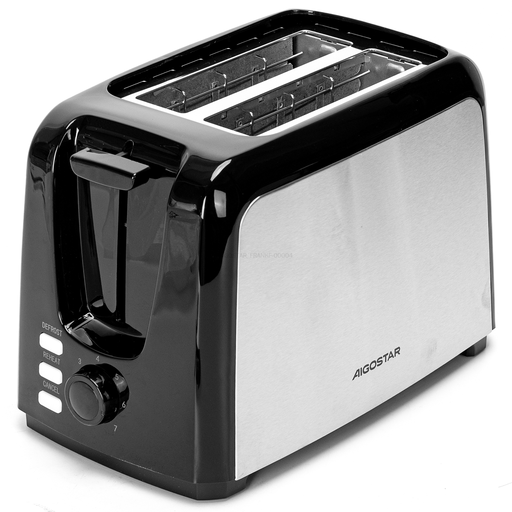
Why This Fits Their Persona: This model focuses on the core functions of a toaster. It's ideal for users looking for a functional and affordable appliance for daily use, without paying for unnecessary extras. Perfect for students, singles, or as a secondary appliance.
It deliberately avoids complex digital displays, focusing on proven mechanical controls. The inclusion of defrost and reheat functions covers the most important everyday needs.
Offers 7 browning levels and a removable crumb tray. The combination of basic features and a very accessible price makes it a solid choice.
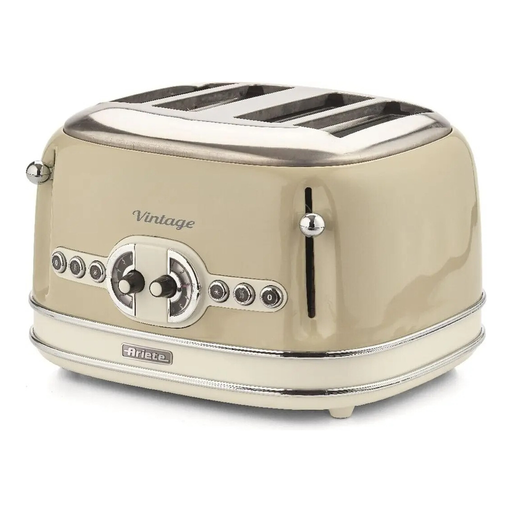
Why This Fits Their Persona: This Retro Toaster is an eye-catcher and also highly functional for family life. With four slots and high power, it handles the morning rush, while its design makes a clear statement in the kitchen.
Despite its striking design, the focus is on practicality. The separate controls for each pair of slots solve the problem of different browning preferences within the family—a common weakness in basic 4-slice models.
High capacity (4-slice toaster) with 1600 watts of power for fast toasting. The independent controls and six browning levels offer maximum flexibility.
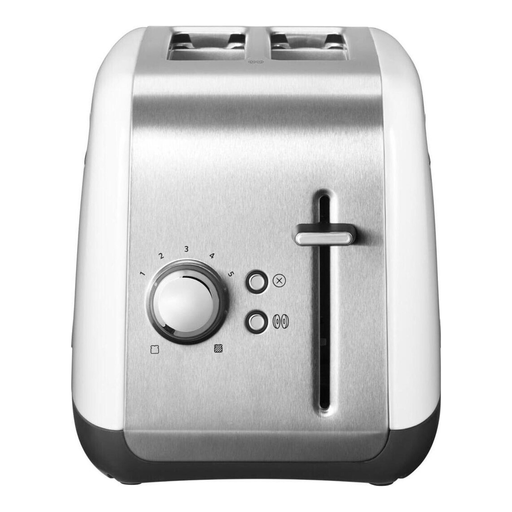
Why This Fits Their Persona: The KitchenAid Toaster is aimed at users who value durability, precise results, and special features. Ideal for lovers of bagels or thick slices of bread who are looking for a robust appliance for intensive use.
The all-metal body and sturdy lever mechanism counteract the problem of short-lived components. The bagel function is a thoughtful specialisation, not a superfluous gimmick, and provides real added value.
Extra-wide (3.8 cm) and deep slots with a self-centering mechanism for even browning. The special toaster for bagels function toasts the cut side more intensely than the outside.
We have compiled a complete, up-to-date list of products that fully meet these strict selection criteria and UK safety regulations.
1. How do you clean a toaster correctly and safely? Always unplug the appliance and let it cool down completely before cleaning. Empty the crumb tray. Then, turn the toaster upside down over a sink or newspaper and shake it gently to remove any remaining crumbs. The housing can be wiped with a slightly damp cloth. Never immerse the appliance in water or use metal objects to remove jammed pieces from inside.
2. What is the difference between a long-slot toaster and a 4-slice toaster? A 4-slice toaster typically has four separate, short slots. A long-slot toaster, on the other hand, has one or two very long slots. The advantage of the long-slot toaster is its flexibility: it can accommodate several normal slices of toast as well as long, irregularly shaped slices of bread (e.g., from a loaf of artisan bread).
3. How many watts should a good toaster have? The power, measured in watts, affects the speed of the toasting process. A standard 2-slice toaster usually has between 750 and 1100 watts. Four-slice models require correspondingly more, often between 1200 and 1800 watts. A higher wattage doesn't necessarily mean better browning, but it does ensure a faster toasting process, which can be particularly advantageous in the morning. However, the quality and arrangement of the heating elements are more important than the wattage alone.