A clean and hygienic toilet is a cornerstone of a well-kept home. However, the market for toilet cleaners is vast, and the sheer number of products can be overwhelming. From gels and rim blocks to innovative stamps, each option promises specific benefits. This article serves as your guide. It introduces different types of toilet cleaners and explains how they work, making it easier for you to choose the perfect product for your needs.
What to Consider When Choosing a Toilet Cleaner
Before making a decision, a few key considerations can help you find the right product for your requirements. The application format and specific active ingredients are often the deciding factors.
1. Application Format: Toilet Gel, Rim Block, or Toilet Stamp?
The choice of application format depends on your personal preferences and the desired cleaning frequency.
- Toilet Gel: A classic toilet cleaner in gel form is ideal for a thorough, manual clean. Thanks to a specially designed angled neck, the gel can be precisely applied under the toilet rim, where dirt and bacteria often accumulate. It works after a short contact time and is then distributed with the toilet brush before flushing.
- Rim Block: A rim block, also known as a hanger, is attached directly under the toilet rim. With every flush, it releases a measured dose of active ingredients. This helps to keep the toilet fresh, prevents limescale build-up, and often spreads a pleasant fragrance. It is a practical solution for continuous basic care between deep cleans.
- Toilet Stamp: A modern alternative to the classic rim block is the toilet stamp. This involves stamping a gel pad directly into the toilet bowl. Similar to a toilet freshener, it releases cleaning substances and fragrances with every flush but does so without a plastic cage.
2. Active Ingredients Against Limescale and Grime
The effectiveness of a cleaner depends on its ingredients. Pay close attention to the product description to find the right solution for your specific problem.
- Against Limescale: To remove limescale in the toilet, acidic cleaners are often an excellent choice. Ingredients like formic acid or citric acid help to dissolve mineral deposits. For stubborn build-up, a longer contact time for the gel may be necessary.
- General Hygiene: Many products contain anionic surfactants or non-ionic surfactants. These substances reduce the surface tension of the water, helping to dissolve and wash away dirt and grease. Some products also contain biocidal agents to reduce germs. Always follow the manufacturer's safety instructions.
Effective Cleaning Solutions
Here is a selection of different types of toilet cleaners that cover various applications—from daily freshness to intensive deep cleaning.
WC Ente Fresh Seal Original Blue Azure Lagoon
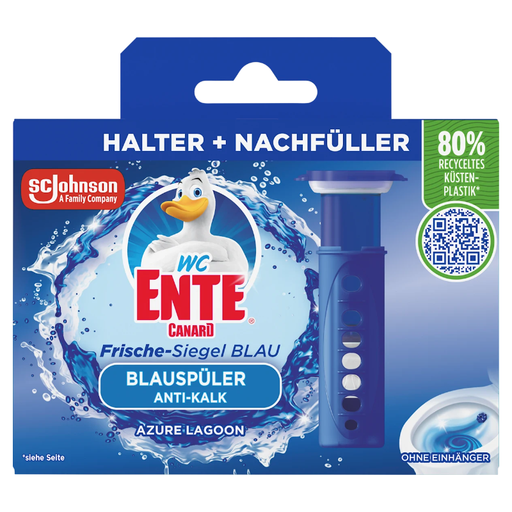
- Why it stands out: The WC Ente Fresh Seal is an innovative system that works without a classic rim block. The applicator is used to apply a self-adhering gel stamp directly into the toilet bowl. With every flush, cleaning agents and a fresh scent are released.
- Advantages:
- Hygienic application without direct contact with the toilet.
- According to the manufacturer, one stamp provides up to 10 days of freshness.
- Forms a protective film that helps prevent limescale and urine scale.
- Uses 30% less plastic than conventional toilet rim blocks.
- Who it's for: Users looking for a modern, hygienic, and low-maintenance solution for continuous freshness and cleanliness who want to avoid a classic hanging cage.
WC Frisch Power-Aktiv Scented Rim Block Lemon
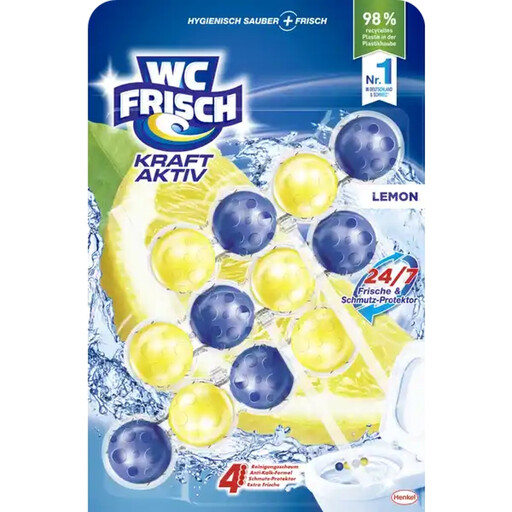
- Why it stands out: This classic rim block relies on a 4-in-1 active formula. With every flush, it creates a cleaning foam, protects against limescale deposits, prevents new dirt from sticking, and provides a long-lasting lemon scent.
- Advantages:
- Continuous cleaning and freshness with every flush.
- Discreet design that fits unobtrusively under the toilet rim.
- Combines cleaning, limescale protection, and fragrance in one product.
- Who it's for: Users who prefer a proven and simple method to keep their toilet consistently clean and fresh between cleanings.
- Important Note: This product causes serious eye irritation and skin irritation. Always wear protective gloves and eye protection when handling. Keep out of reach of children.
WC Ente Total Active Gel Marine
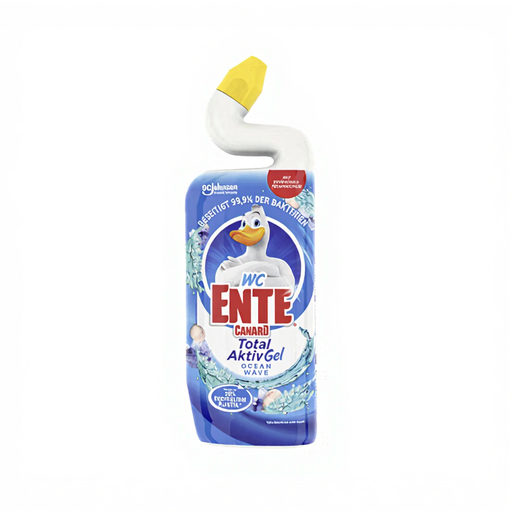
- Why it stands out: This powerful toilet gel is designed for thorough cleaning. Its uniquely shaped neck allows the gel to be applied even in hard-to-reach areas under the rim. According to the manufacturer, it eliminates 99.9% of germs and bacteria.
- Advantages:
- Enables targeted and thorough cleaning under the toilet rim.
- Acts against stubborn dirt and ensures hygienic cleanliness.
- Leaves a long-lasting, fresh scent.
- Who it's for: Households that need a high-performance cleaner for regular and intensive deep cleaning of the toilet.
- Important Note:Use biocidal products with care. Always read the label and product information before use. Causes serious eye damage. Wash hands thoroughly after handling.
Looking for More Options?
The products featured here already cover a broad spectrum. However, if you are specifically looking for more gels for deep cleaning or simply want to compare different fragrances, you will find a larger selection in our category.
? Discover More Toilet Cleaner Gels Here
Frequently Asked Questions (FAQ)
1. What is the difference between a toilet gel and a rim block? A toilet gel is intended for an active, manual deep clean. It is applied, left to work, and then distributed with a brush to dissolve stubborn dirt and limescale. A rim block, on the other hand, is a passive product that automatically releases active ingredients with every flush to keep the toilet fresh and clean between cleanings.
2. How can you remove stubborn limescale in the toilet? For stubborn limescale deposits, using an acidic toilet gel is recommended. Apply the gel generously to the affected areas and let it sit—depending on the severity—for several hours or even overnight before scrubbing with a brush and flushing. Always follow the manufacturer's instructions for use.
3. How often should you use a toilet cleaner? For continuous hygiene and freshness, a combination approach is effective. Products like rim blocks or stamps work with every flush to keep the toilet fresh daily. A thorough cleaning with a toilet gel should be done about one to three times a week, depending on usage and water hardness, to effectively remove build-up and bacteria.


