
Lieferung heute & morgen

Qualitätsgarantie

Willkommens-Angebote freischalten: KOSTENLOSE Lieferung | Bis zu 80 % RABATT | Kostenlose 30-Tage-JoyPlus-Testphase
App herunterladen
The search for a quick yet flavorful meal often leads to Asian ready-to-eat dishes. The combination of fruity tomato and savory beef, in particular, has established itself as a popular flavor profile. For professionals, students, and anyone looking for a hassle-free quick Asian meal, tomato beef noodles offer a convenient solution. This article serves as a guide to help you understand the various options available and make an informed choice.
Before you buy a Chinese noodle soup, a few criteria can help you find the right product for your needs. The differences are often in the details and affect both the taste and the preparation.
A key differentiator in instant noodles is the manufacturing method.
Asian ready-to-eat meals are known for their simple preparation, but there are differences. Some products only require adding boiling water, while others need a short cooking time of 3 to 5 minutes in a pot. Products with separate packets for meat or semi-dried noodles may require additional steps, such as heating the toppings separately. Check the preparation instructions to ensure they fit your schedule.
A look at the ingredients list reveals the quality and character of the dish. Products that contain real beef (often in a separate pouch), tomato paste, or dried vegetable pieces typically offer a more authentic flavor experience than those that rely primarily on flavor powders. For lovers of tomato beef ramen, this can be a decisive factor.
Here, we present a selection of products that interpret the tomato-beef flavor in different ways.
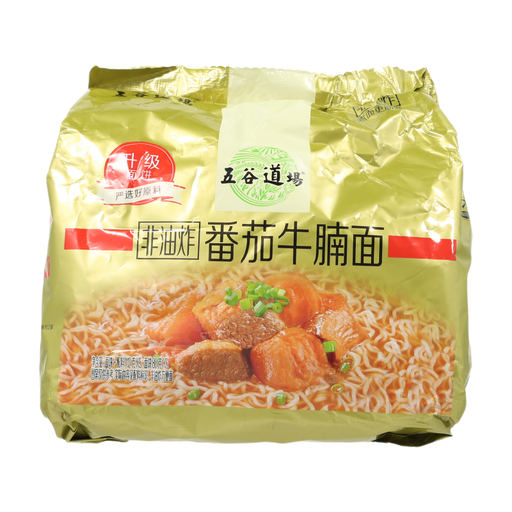
Why It Stands Out: This product from Wu Gu Dao Chang Noodles is distinguished by its non-fried noodles. The broth is based on tomato and beef brisket flavor and is enhanced with real vegetable packets, ensuring an authentic taste.
Pros:
Who It's For: For those who prefer a lighter version of instant noodles and value a firm, chewy noodle texture. A great choice for a quick yet satisfying beef noodle soup.
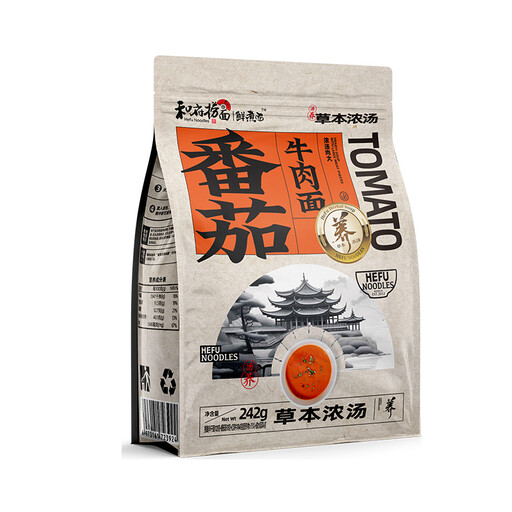
Why It Stands Out: Hefu Noodle offers a dish that comes close to a restaurant-quality meal. It includes semi-dried noodles, a rich tomato soup base, and a separate packet of braised beef. According to the manufacturer's declaration, the beef content in the meat product is 75%.
Pros:
Who It's For: For users looking for a premium ready-to-eat meal and who are willing to take a few extra preparation steps for a more authentic flavor experience with tender meat.

Why It Stands Out: As part of the "Gold Series" from Wu Gu Dao Chang, this product positions itself as a premium version. It also combines non-fried noodles with a rich tomato-beef broth tailored to the flavor of short ribs.
Pros:
Who It's For: For fans of the Wu Gu Dao Chang Noodles brand who are looking for a richer and more complex flavor variation of the classic tomato beef instant noodles.
The products featured provide a good overview of the world of tomato beef noodles. If your preferred option isn't listed or you'd like to explore other flavors, there's more to discover.
→ Discover more tomato-flavored noodles here
1. What is the difference between fried and non-fried instant noodles? Fried instant noodles are briefly fried in oil for dehydration. This shortens the subsequent cooking time. Non-fried noodles, on the other hand, are dried with hot air. This results in a firmer, smoother texture and is often considered a lighter option, as the fat content of the noodles themselves is lower.
2. How can I enhance a Chinese noodle soup from a ready-to-eat meal? To make your beef noodle soup even richer, you can add fresh ingredients. Good additions include a soft-boiled egg, chopped spring onions, fresh cilantro, or blanched vegetables like bok choy. This adds extra texture and freshness to the dish.
3. Are tomato and beef instant noodles typically spicy? Most products in the tomato-beef flavor category are primarily designed for a savory and tangy flavor, not a spicy one. The focus is on the umami flavor of beef and the fruity acidity of the tomato. If a product does contain spice, it is usually indicated on the packaging, often with a chili symbol or in the ingredients list (e.g., chili powder or oil).