
Lieferung heute & morgen

Qualitätsgarantie

Willkommens-Angebote freischalten: KOSTENLOSE Lieferung | Bis zu 80 % RABATT | Kostenlose 30-Tage-JoyPlus-Testphase
App herunterladen
Choosing the right toothbrush seems simple, but the vast selection and slick marketing promises can easily lead to a poor purchase. An unsuitable brush not only cleans inadequately but, in the worst-case scenario, can even damage your teeth and gums. As your Joybuy Product Recommendation Officer, I'll help you identify the crucial features and steer clear of common pitfalls.
Before we get to the recommendations, it's important to know the typical mistakes that often lead to the wrong choice.
To find the right toothbrush, you should focus on three core aspects instead of being swayed by advertising slogans.
The bristles are the most important element of any toothbrush. The choice should be based on the condition of your gums and teeth.
Also, look for rounded bristle tips. Sharp-edged bristles can injure the gums.
The decision between a manual toothbrush and an electric toothbrush is a matter of personal preference and budget.
The rule is simple: the brush head should be small enough to reach all areas of the mouth effortlessly. A smaller head is more agile and cleans the hard-to-reach back molars more effectively. This applies to both the classic manual toothbrush and the replacement heads for electric models.
Here are some models that are well-suited for different user profiles based on objective features.
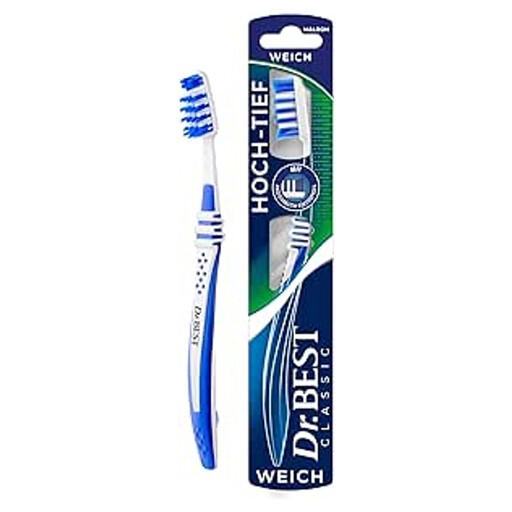
Why This Fits Their Persona: A reliable and affordable manual toothbrush that focuses on the essentials: a thorough and gentle clean without unnecessary extras. Ideal for daily use.
With its soft bristles, it debunks the myth that only hard bristles are effective. The special flex zone also prevents excessive pressure, thereby protecting the gums.
The high-low bristle profile adapts to the tooth's contour, cleaning both surfaces and the spaces between teeth. The flex zone is gentle on the gums.
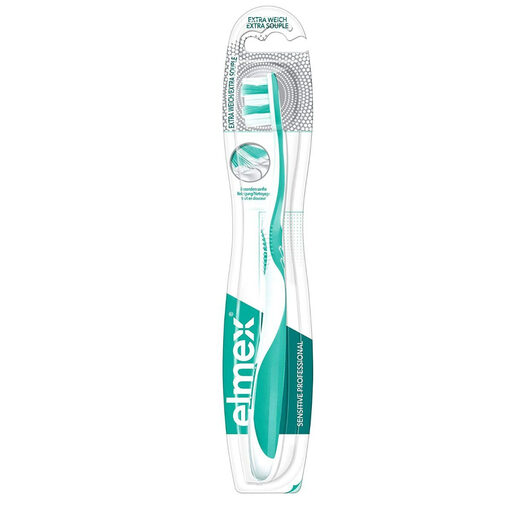
Why This Fits Their Persona: Specifically designed for the needs of people with sensitive teeth and gums. It provides a gentle yet thorough cleaning.
This model is built around extra-soft bristles and a flexible handle to specifically avoid the two main pitfalls: bristles that are too hard and applying too much pressure.
The combination of extra-soft bristles and a highly flexible handle allows for effective plaque removal with minimal pressure on teeth and gums.
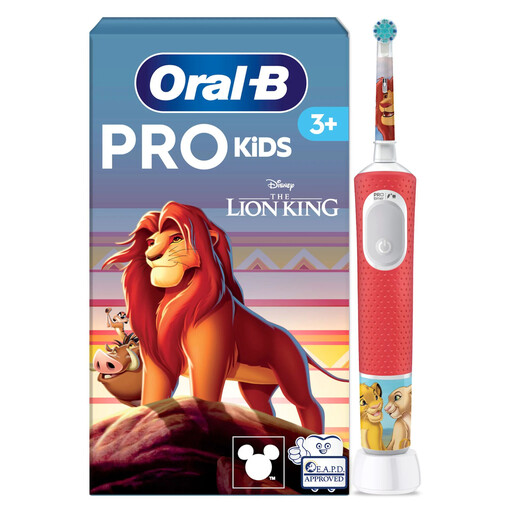
Why This Fits Their Persona: This electric toothbrush for children combines effective cleaning technology with a kid-friendly design to boost brushing motivation and establish good habits.
The small, round brush head and extra-soft bristles are perfectly tailored to the anatomy of a child's mouth. The special Sensitive mode prevents cleaning that is too aggressive.
Features a child-friendly Sensitive Plus mode and a 2-minute timer. Customisable stickers increase the fun factor and acceptance among children.
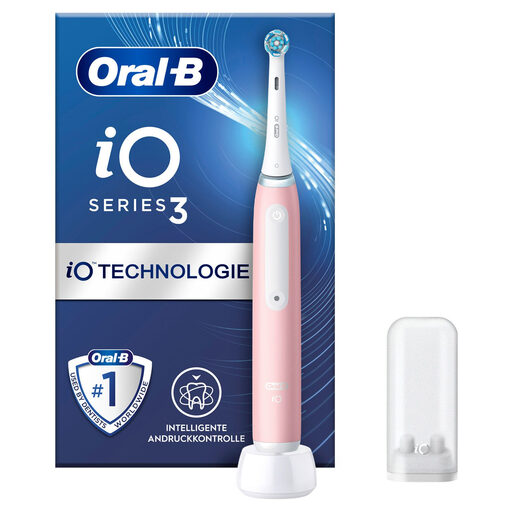
Why This Fits Their Persona: For users seeking a modern electric toothbrush with useful technology. It combines high-performance cleaning with smart features to protect the gums.
Instead of unnecessary gimmicks, it offers a truly useful feature: the smart pressure sensor provides a visual warning when you brush too hard, actively preventing gum damage.
The iO technology with gentle micro-vibrations ensures a professional clean feeling. Three cleaning modes allow for customisation to individual needs (Daily Clean, Sensitive, Whitening).
Choosing the right brush is crucial, especially for sensitive gums. We have curated a selection of products designed for gentle cleaning.
Dentists recommend replacing your manual toothbrush or the replacement head of an electric toothbrush every three months. A replacement is also necessary sooner if the bristles are visibly frayed or bent, as cleaning performance will be significantly reduced. It's also wise to switch after a cold or flu to prevent reinfection.
Neither option is inherently "better". An electric toothbrush can help achieve a more consistent and technically correct clean thanks to its automated movements and extra features like timers and pressure sensors. However, a manual toothbrush can be just as effective when used correctly. The choice depends on personal preference, budget, and your own brushing discipline.
For a toothbrush for children, three features are crucial: a small brush head that can easily reach the back teeth, extra-soft and rounded bristles to protect sensitive gums, and an ergonomic, non-slip handle. Models with popular characters or colourful designs, like those from Oral-B or Dr. BEST, can provide an extra boost of motivation.