
Lieferung heute & morgen

Qualitätsgarantie

Willkommens-Angebote freischalten: KOSTENLOSE Lieferung | Bis zu 80 % RABATT | Kostenlose 30-Tage-JoyPlus-Testphase
App herunterladen
The search for the right children's toy can quickly feel overwhelming. Shelves and online shops are filled with products promising fun, learning, and development. But not every toy that looks great at first glance delivers on its promises in daily use. As a Joybuy Product Recommendation Officer, I see every day which products offer real value and which are simply based on clever marketing.
This guide is designed to help you avoid common purchasing pitfalls and make an informed decision. We will focus on the objective criteria that truly matter, ensuring your choice brings joy to your child while meeting your standards for safety and durability.
Before we dive into the selection criteria, it's important to understand the most common issues that lead to disappointment and unnecessary expense.
To avoid the pitfalls mentioned above, you should check three key aspects before making a purchase. These form the basis for a safe and meaningful choice.
The European standard EN 71 is the fundamental safety requirement for toys sold in the EU. Among other things, it regulates:
Also, look for specific material information. Designations like BPA-free plastic or food-grade ABS plastic are positive indicators. For wooden toys, solid wood painted with water-based paints is a robust and safe choice.
A good toy challenges a child without overwhelming them. The manufacturer's age recommendation is a starting point, but the child's individual development is crucial.
A toy that "grows" with the child or offers various play possibilities is a worthwhile investment. Look for products that spark imagination and don't just allow for a single, predetermined play sequence. A good example is children's travel toys, which need to be compact, robust, and versatile to provide long-lasting entertainment on the go.
Based on the criteria above, we have identified some products that are well-suited for different needs and age groups.
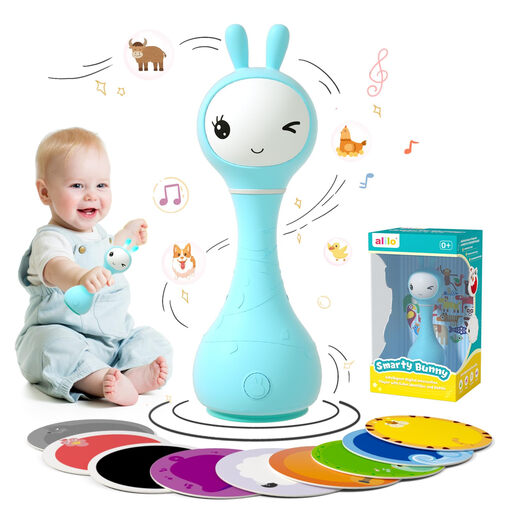
Why this product is a great fit: It is specially designed for the needs of babies, combining auditory, visual, and tactile stimuli in a safe, easy-to-grip format. Ideal as a first baby toy.
Instead of offering just one function, it combines a rattle, music player, and night light. The colour recognition feature provides real, interactive value that goes beyond a simple marketing promise.
Multifunctionality that promotes auditory and visual perception. The silicone ears are safe for chewing during the teething phase.
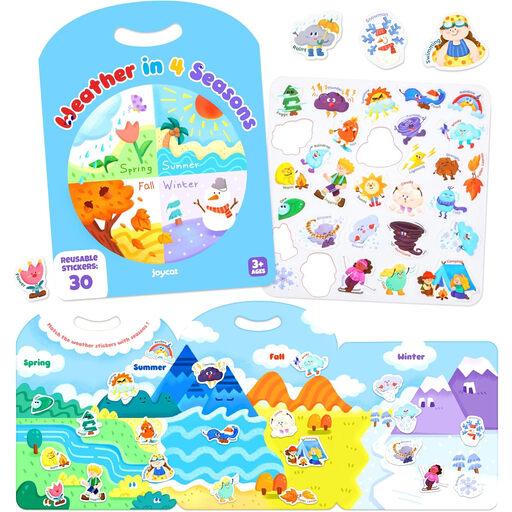
Why this product is a great fit: It's the ideal solution for parents looking for a clean, quiet, and engaging travel toy for children. Perfect for car rides, flights, or waiting in a restaurant.
This product avoids the short-lifespan trap. Unlike traditional sticker books, the gel stickers and coated pages are washable and can be used over and over again, ensuring long-lasting play value.
Promotes fine motor skills, creativity, and concentration without any mess. The integrated handle and storage make it extremely practical for travel.
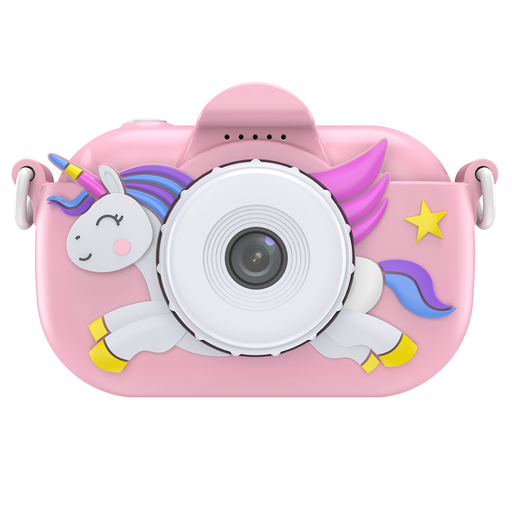
Why this product is a great fit: It introduces children to photography in a playful and safe way. An ideal gift for kids that encourages creativity and a new perspective on the world.
The sturdy silicone case protects the camera from drops and bumps, thus avoiding the pitfall of poor durability in children's electronics. The controls are intentionally simple and tailored for kids.
Made from food-grade ABS material and a soft silicone case with no sharp edges. The integrated music and story function offers additional play value.
We have compiled a list of products that meet these strict selection criteria and safety regulations.
In addition to the mandatory EN 71 mark, look for voluntary test seals like the GS mark ("Tested Safety"), which confirms testing by an independent body. Examine the product by touch: Does the material feel sturdy? Are there any sharp edges or loose parts? High-quality ABS plastic or solid, smoothly sanded wood are often better indicators than thin, flexible plastic.
Proper care significantly extends the life of a toy.
Any toy can have educational value, as long as it matches the child's developmental stage. Learning begins at birth. For babies, baby toys that stimulate the senses are educational. For toddlers, it's motor skills toys that train movement sequences. The term is less a seal of quality and more a matter of finding the right match between a child's abilities and the stimulation a toy provides.