
Lieferung heute & morgen

Qualitätsgarantie

Willkommens-Angebote freischalten: KOSTENLOSE Lieferung | Bis zu 80 % RABATT | Kostenlose 30-Tage-JoyPlus-Testphase
App herunterladen
The search for the right toy can quickly become overwhelming. Countless products promise educational value and endless fun, but not all of them deliver. As your Joybuy Product Recommendation Officer, I'm here to help you navigate the marketing jungle and make an informed decision. This guide focuses on the crucial criteria that truly matter and shows you how to avoid common purchasing pitfalls.
Before we get to our recommendations, it's important to understand the most common issues that often only become apparent after the purchase:
To avoid these pitfalls, you should focus on three objective parameters. These will help you evaluate a product's quality, independent of advertising messages.
The most crucial factor in your selection is the manufacturer's age recommendation. This is not a loose suggestion but is based on the average developmental stage of children. Baby toys (0–12 months) should primarily stimulate the senses and be safe to grasp. Motor skills toys for toddlers (1–3 years) promote hand-eye coordination with larger, simple shapes. For older children, the tasks become more complex, as seen in board games or a Kosmos science kit, which train logical thinking and social interaction.
Your child's safety is the top priority. Pay attention to the following points:
A good toy captivates for a long time because it can be rediscovered again and again. Toy vehicles without motors, building blocks, or simple puzzles give free rein to the imagination. They allow the child to invent their own stories and solve problems creatively, rather than just following a predetermined pattern.
Based on the criteria above, we have identified several products that are well-suited for different needs and age groups.
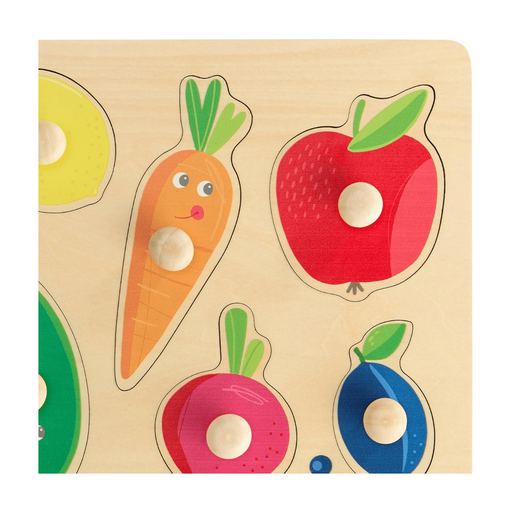
Why it's a great fit: Perfect for parents looking for a first, high-quality motor skills toy that specifically promotes fine motor skills and the recognition of shapes and colours without overwhelming the child.
This wooden puzzle forgoes unnecessary electronics and focuses on fundamental skills. The sturdy wood material is durable and safe, unlike fragile plastic alternatives.
Large, easy-to-grip wooden knobs on the puzzle pieces are perfect for small children's hands and make them easy to place. Made from high-quality wood.
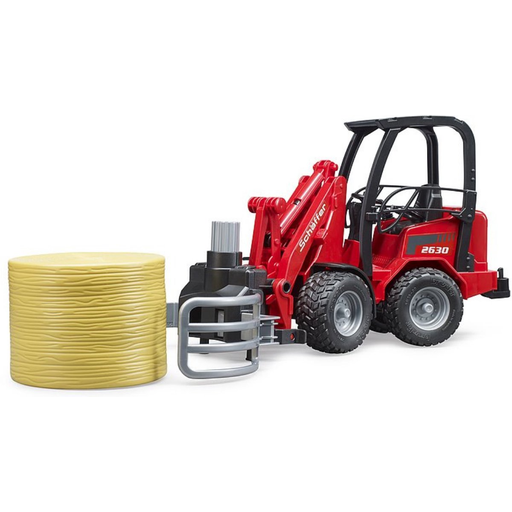
Why it's a great fit: For children who love realistic role-playing and need a durable toy vehicle that can withstand even intense play in the sandbox.
This vehicle avoids the pitfall of poor quality. According to the manufacturer, it is made in Germany from high-quality, BPA-free plastic and is known for its longevity.
A detailed 1:16 scale model with a fully functional front loader, detachable bucket, and bale grabber for versatile play scenarios.
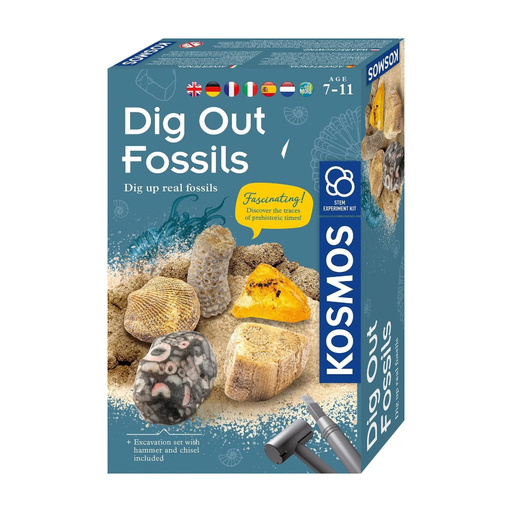
Why it's a great fit: An excellent gift choice for school-aged children interested in nature and science. It offers a meaningful, screen-free activity with a tangible result.
Instead of a vague educational promise, this kit delivers a concrete, exciting task: excavating real fossils. The learning effect is actively generated through doing and the included instructions.
According to Kosmos, the set contains real fossils (ammonite, stone coral, etc.) as well as the necessary tools (hammer, chisel). It promotes patience, fine motor skills, and an interest in palaeontology.
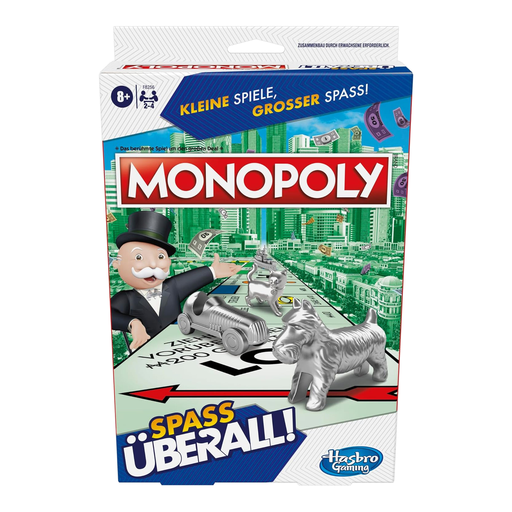
Why it's a great fit: The solution for families who don't want to miss out on the classic game while travelling, on holiday, or on day trips. An ideal gift for kids that involves the whole family.
This game solves the problem of impractical design. All game components can be stored securely and compactly in the case, so nothing gets lost on the go.
A compact travel version of the famous board game for 2-4 players. The lightweight and sturdy design is conceived for mobile use.
The right choice always depends on the child. If you're looking for more toys that meet our criteria for safety and play value, you'll find a suitable selection here.
Look for the mandatory CE mark. The voluntary GS mark ("Tested Safety") offers an even higher level of safety, as it requires testing by an independent body. Also, visually inspect the toy for sharp edges, detachable small parts, and sturdy construction. For wooden toys, the paint should be saliva-resistant, especially for products intended for babies and toddlers.
The cleaning method depends on the material. Wooden toys should only be wiped with a slightly damp cloth and not submerged in water, as the wood can swell. Plastic toys without electronics can often be cleaned with mild soapy water or even placed in the dishwasher (check the manufacturer's instructions). Plush toys and comforters are usually machine-washable; checking the care label is crucial here.
The manufacturer's age recommendation (e.g., 8 years and up) is a good guideline. These games require strategic thinking, an understanding of rules, and a certain tolerance for frustration. Whether a child is ready depends on their individual development. It's best to start with cooperative games or those with simpler rules to gradually introduce the child to more complex board games.