
Lieferung heute & morgen

Qualitätsgarantie

Willkommens-Angebote freischalten: KOSTENLOSE Lieferung | Bis zu 80 % RABATT | Kostenlose 30-Tage-JoyPlus-Testphase
App herunterladen
Choosing the right running shoe is crucial, especially when your routes take you from city parks to forest trails and gravel paths. The market for unisex trail running shoes is saturated with models promising extreme performance. Yet, many runners invest in shoes that are ill-suited for their actual needs. This guide will help you navigate common purchasing traps and identify the features that truly matter for versatile running in the UK.
Before you make a decision, it's important to recognise the typical marketing promises that often lead to a poor purchase.
To find a suitable shoe that functions as a running shoe for both trail and road, you should examine three core technical features.
The midsole is the heart of any running shoe. Its primary job is to absorb impact forces and protect your joints.
The outsole provides the necessary traction. For an all-terrain running shoe, a balanced tread pattern is essential.
The upper envelops the foot and should primarily fulfil two criteria: it must be breathable and robust.
Based on the objective criteria mentioned above, we have identified models that are well-suited for various requirement profiles.
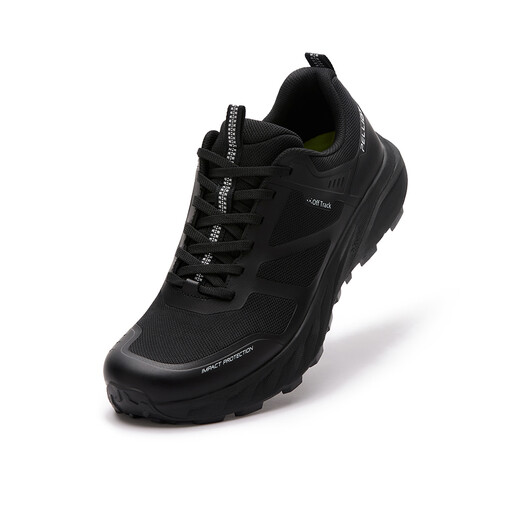
Why This Fits Their Persona: Ideal for runners whose routes regularly switch between asphalt, park paths, and forest trails. The construction is designed to deliver reliable performance in each of these scenarios without compromising on comfort.
This shoe sidesteps the over-specialisation trap. Its balanced sole profile provides enough grip for the trail without feeling uncomfortable or unstable on hard surfaces.
The high-rebound EVA midsole ensures consistent, joint-friendly cushioning on changing surfaces. This makes it a true all-terrain running shoe.
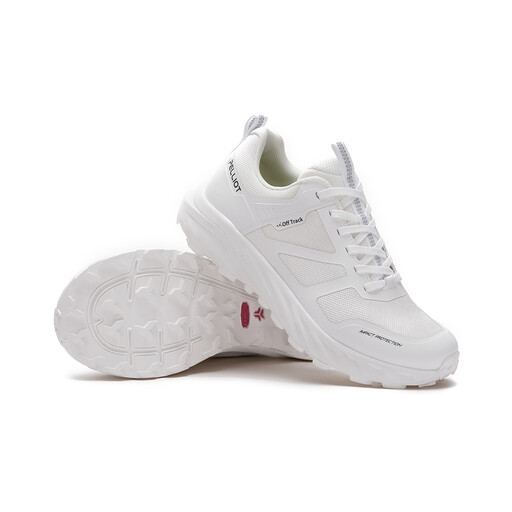
Why This Fits Their Persona: For runners who cover longer distances on mixed terrain and value low weight and an optimal foot climate to prevent fatigue and blisters.
These Pelliot running shoes bypass the waterproofing myth. The sandwich mesh upper prioritises high air circulation, preventing heat build-up and sweaty feet on long runs.
The lightweight construction reduces strain on the leg muscles. The combination of breathability and cushioning ensures sustained comfort over many miles.
We've compiled a complete, up-to-date list of products that fully meet these strict selection criteria and UK safety regulations.
The fit is crucial. Measure your foot length in millimetres or centimetres and compare it to the manufacturer's size chart. Unisex models are often based on men's sizing, so women should take this into account when choosing. As a rule of thumb, there should be about a thumb's width of space between your longest toe and the tip of the shoe, as feet tend to swell slightly during a run.
Not necessarily. A higher price often correlates with highly specialised technologies like carbon plates or ultra-lightweight materials, which are not essential for the average recreational runner. A well-constructed all-terrain running shoe with the core features described here—good cushioning, a versatile tread, and a breathable upper—offers better value for money for most runners in the UK.
The lifespan of a trail running shoe is typically between 500 and 800 kilometres (approx. 300-500 miles). This depends heavily on your running style, body weight, and the type of terrain. The first component to lose its function is usually the midsole cushioning, even before the outsole shows visible signs of wear. If the shoe starts to feel "flat" or you feel more impact, it's time for a new pair.