
Lieferung heute & morgen

Qualitätsgarantie

Willkommens-Angebote freischalten: KOSTENLOSE Lieferung | Bis zu 80 % RABATT | Kostenlose 30-Tage-JoyPlus-Testphase
App herunterladen
Choosing a new training football seems simple at first glance. But the reality is often different: a ball that loses air after a few weeks, a model advertised as "water-resistant" that gets waterlogged in the rain, or the wrong size that ruins the fun for your child. These problems are not just frustrating; they also cost time and money.
As your Joybuy Product Recommendation Officer, I'm here to help you navigate these common pitfalls. Instead of relying on marketing promises, we'll focus on the objective features that define a quality training ball. This way, you'll find a model that truly fits your needs—whether it's for weekly practice, a casual kickabout in the park, or a young player's first ball.
Many buyers are drawn to well-known brand names or flashy designs. However, the crucial quality indicators are in the details. Pay close attention to these three points to avoid a bad buy:
To avoid the problems mentioned above, you should check three technical parameters before buying. These determine the durability, playability, and true value of your new ball.
The size of a football is standardised and should always be matched to the player's age. This is fundamental for correct technical development and pure fun.
The outer material determines the ball's feel, abrasion resistance, and weather resistance.
The bladder inside the ball is responsible for air retention. A butyl bladder keeps the air pressure constant for much longer than a cheaper latex bladder. A double-layer valve further minimises air loss and is a clear sign of quality.
Based on these objective criteria, we have selected a few models from our range for specific user profiles.
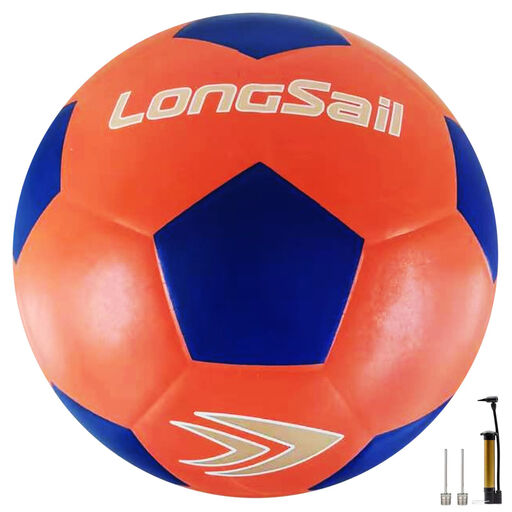
Why This Fits Their Persona: Ideal for children between 8 and 12, as well as for casual kickabouts. The size 4 is perfect for young players, and the robust material can handle rougher surfaces.
The seamless foam rubber construction is completely waterproof, preventing it from getting waterlogged. Plus, the ball comes as a complete football set with pump, so it's ready to use right away.
Exceptionally durable and weatherproof. According to the manufacturer, the double-valve system ensures excellent air retention.
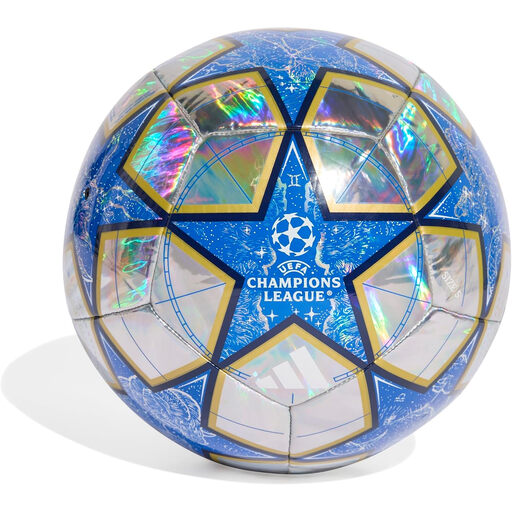
Why This Fits Their Persona: For youth and adult players who train regularly and value consistent performance, a good ball feel, and the quality of an established brand.
As a dedicated adidas training football, its material (100% thermoplastic polyurethane) and construction are designed for durability and reliable flight characteristics. This avoids the inconsistencies of cheaper models.
The machine-stitched construction ensures high durability. The official UEFA Champions League design provides extra motivation during training.
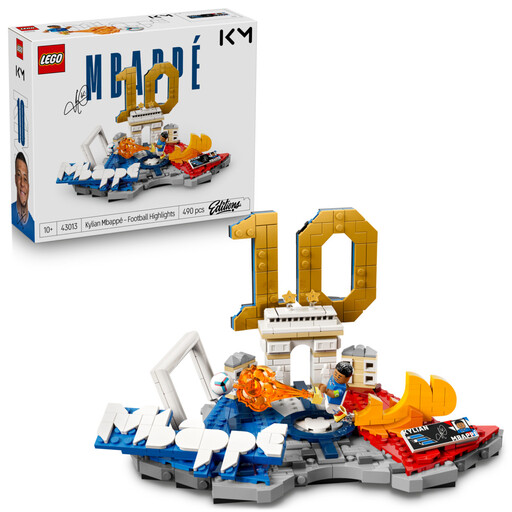
Why This Fits Their Persona: A unique gift for football fans, collectors, or older kids who are passionate about specific players and enjoy building models.
Since this is not a playing ball, this product bypasses the typical performance and durability pitfalls. It offers lasting value as a display and collector's item, avoiding the disappointment of a quickly worn-out ball.
A creative building project and collector's item in one, celebrating the passion for football in a different way. Ideal as a decoration for a fan's room.
We've compiled a complete, up-to-date list of products that meet these strict selection criteria and comply with current regulations.
The choice depends on age:
Clean the ball with a damp cloth after use to remove dirt. Store it in a cool, dry place and avoid direct sunlight or extreme heat. Keep it away from sharp objects and check the air pressure regularly.
A training football is designed for maximum durability and good value for money for frequent use. An official match ball, on the other hand, is optimised for peak performance (precise flight path, ball feel). This often involves more expensive materials that may wear out faster with intensive training. Therefore, a robust training ball is usually the more practical choice for regular practice.