
Lieferung heute & morgen

Qualitätsgarantie

Willkommens-Angebote freischalten: KOSTENLOSE Lieferung | Bis zu 80 % RABATT | Kostenlose 30-Tage-JoyPlus-Testphase
App herunterladen
The selection of tuna in oil on the supermarket shelf can be overwhelming. Between different types of oil, sustainability labels, and price points, it's often difficult to find the right canned tuna for your needs. This guide is here to help you make an informed decision by highlighting objective criteria and presenting a selection of products for different requirements.
To buy the right tuna, a few key differentiators are important. These criteria will help you better assess a product's quality and suitability for your purposes.
The oil in which the tuna is packed has a significant impact on its flavour and potential uses.
For many consumers, sustainable tuna is becoming increasingly important. The most well-known label in this area is from the Marine Stewardship Council (MSC).
How the tuna is processed affects both its texture and price.
Based on the criteria mentioned, we have compiled a selection of products that cater to different preferences.
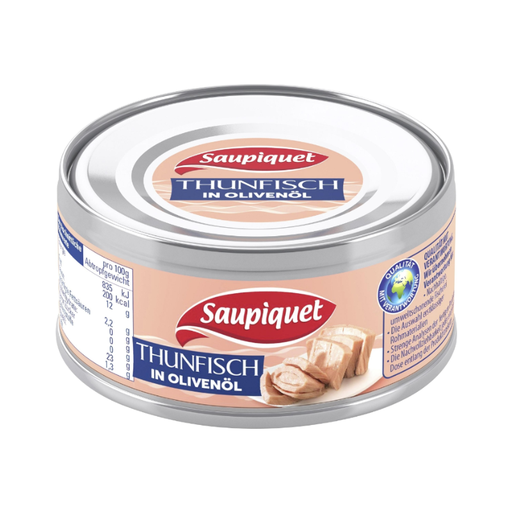
Why it stands out: These tuna chunks in fine olive oil are a classic choice for preparing Mediterranean dishes. The combination of Skipjack tuna and olive oil provides a solid foundation for light and healthy meals.
Advantages:
Who it's for: Those looking for a reliable tuna in olive oil for classic recipes like pasta al tonno or salads, who value an authentic taste.
View Product: Saupiquet Tuna Chunks
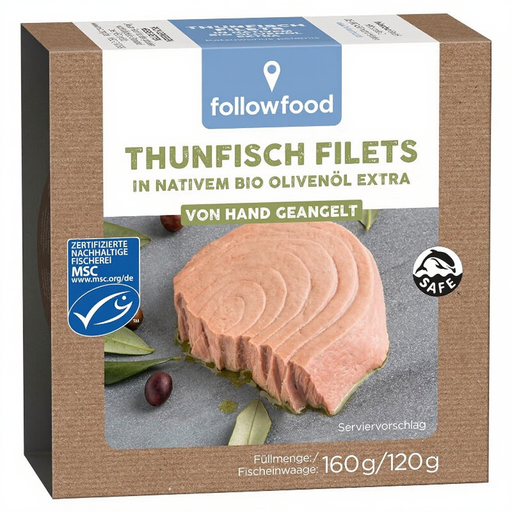
Why it stands out: This product combines high-quality tuna fillets with a strong focus on sustainability. The tuna is pole-and-line caught in the Maldives and is MSC-certified. Packed in organic extra virgin olive oil, it offers an exceptional taste experience.
Advantages:
Who it's for: Consumers who demand the highest standards of quality, taste, and verifiably sustainable tuna, and are willing to pay a premium for these features. Ideal for enjoying on its own or for elevating salads and appetisers.
View Product: Followfood MSC Tuna Fillets

Why it stands out: These tuna fillets offer a practical and value-conscious option without compromising on sustainability. The product is also MSC-certified and is highly versatile thanks to the use of neutral-tasting sunflower oil.
Advantages:
Who it's for: Budget-conscious shoppers and families looking for a versatile MSC tuna for daily use, whether for sandwiches, casseroles, or as a protein-rich ingredient in various dishes.
View Product: Jeden Tag Tuna Fillets
The selection presented here already covers a broad spectrum. However, if you are looking for other varieties, such as tuna in brine, special preparations, or different brands, you can find more products in our comprehensive category.
Discover Our Entire Range of Canned Tuna Here
The main difference is the taste. Tuna in olive oil has a fruity, Mediterranean flavour, while tuna in sunflower oil is more neutral, emphasising the natural taste of the fish. The choice depends on the intended use and personal preference.
The MSC (Marine Stewardship Council) label is an internationally recognised certificate for fish from sustainable fisheries. It ensures that the fish comes from stocks that are not overfished and that the fishing methods have a minimal impact on the marine environment. Buying MSC tuna helps protect our oceans.
Yes, canned tuna is already cooked and can be eaten directly after opening. This makes it ideal for quick meals like salads, sandwiches, or as a protein-rich snack. Depending on the recipe, the oil can be drained or used as part of the dish.