
Lieferung heute & morgen

Qualitätsgarantie

Willkommens-Angebote freischalten: KOSTENLOSE Lieferung | Bis zu 80 % RABATT | Kostenlose 30-Tage-JoyPlus-Testphase
App herunterladen
For thru-hikers and trekking enthusiasts, every gram in your pack counts. A 2-person ultralight tent promises shelter and comfort without weighing you down. But the market is flooded with products boasting tempting weight specs and technical data that often fail to deliver in practice. Before you invest, it's crucial to understand the common pitfalls that can lead to an unusable tent and wasted money.
This guide focuses on the critical criteria to help you separate marketing hype from genuine functionality.
Many tents look great on paper but reveal their weaknesses on the trail. Pay close attention to these three points to avoid a bad investment:
To find the right 2-person UL tent, you shouldn't be swayed by marketing terms but focus on verifiable technical data.
The packed weight is the most critical metric for a thru-hiking tent. A good 2-person ultralight trekking tent should not significantly exceed a total weight of 1.5 kg. Always check what's included in the package. The packed size is just as relevant: a compact tent leaves more room in your backpack for food and other gear.
Modern ultralight tents often use ripstop nylon with a silicone and/or PU coating. A common fabric thickness is 20D (Denier), which offers a good compromise between weight and tear resistance.
The hydrostatic head indicates how much water pressure the material can withstand before it becomes permeable.
The design determines ventilation and stability. A double-wall, waterproof tent with a large amount of mesh on the inner tent provides the best air circulation and minimises condensation. Two separate entrances and vestibules significantly increase comfort for two people, as each person has their own access and storage space for wet shoes and a backpack.
The choice of the right tent depends heavily on your specific needs. Here is an option tailored to the needs of experienced users.
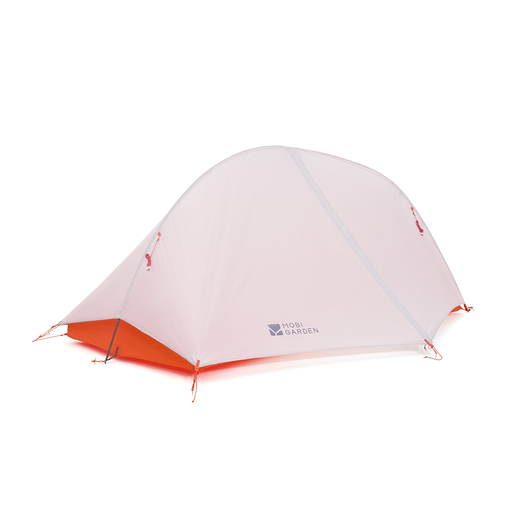
Why This Fits Their Persona: This tent is designed for trekkers for whom every gram counts. With a net weight of approx. 1.18 kg and a well-thought-out design, it meets the core requirements for multi-day tours in demanding terrain without compromising on functionality.
The weight specification is transparent. The double-wall construction with a large mesh inner tent actively counteracts condensation. The waterproof rating of PU2000mm is practical and appropriate for a 3-season tent in this weight class.
Very low packed weight. Two separate entrances and vestibules for maximum comfort for two people. Quick and easy setup thanks to colour-coded poles.
The option presented here is an example of a specialised tent. However, the ideal choice always depends on your personal preferences regarding space, durability, and the specific conditions of your planned tours. Comparing different models is therefore essential.
We have compiled a complete, real-time list of products that fully satisfy these strict selection criteria and UK safety regulations.
1. What is a good weight for a 2-person ultralight tent? A good target for the packed weight (including stakes, guylines, and stuff sack) is under 1.5 kilograms. Models under 1.2 kg are often more specialised and may require compromises on durability or space. Therefore, weigh what has priority for your tours.
2. How important is the waterproof rating on a lightweight hiking tent? The hydrostatic head is an important indicator, but not the only one. For a 3-season tent, a rating of 2000 mm on the flysheet and 3000 mm on the floor is generally sufficient. At least as important are high-quality sealed seams and a good design that prevents water from pooling on the tent roof.
3. How do I care for an UL tent to extend its lifespan? Proper care is crucial. Always air out and completely dry the tent before storing it for an extended period to prevent mould and damage to the coating. Clean it only with a soft cloth and plain water. Avoid washing machines and harsh cleaning agents. Store it in a cool, dry place away from direct sunlight.