
Lieferung heute & morgen

Qualitätsgarantie

Willkommens-Angebote freischalten: KOSTENLOSE Lieferung | Bis zu 80 % RABATT | Kostenlose 30-Tage-JoyPlus-Testphase
App herunterladen
An LCD drawing board for children, often called a magic drawing slate, combines the functionality of a digital notepad with the appeal of a toy. These devices use a pressure-sensitive liquid crystal display that allows you to draw lines with an included stylus. The drawings remain visible until an erase button is pressed, which instantly clears the screen. This mechanism works without a backlight, making it easy on the eyes, and consumes minimal power only during the erasing process. For parents and children, this offers a clean, reusable, and portable alternative to paper, pens, and chalk.
When choosing an electronic drawing tablet, objective parameters are crucial. The following criteria will help you make an informed decision.
The casing material is a key safety factor. High-quality models are made of ABS plastic (Acrylonitrile Butadiene Styrene). This material is characterised by its high impact and shatter resistance. Look for products where the manufacturer declares conformity with European safety standards, such as the REACH regulation. Claims like "BPA-free" or "non-toxic" indicate that potentially harmful plasticisers and chemicals were avoided during production. Rounded edges minimise the risk of injury for young children.
The display diagonal, usually specified in inches, determines the available drawing area. Common sizes are 8.5 inches and 10 inches.
Weight is directly linked to portability. Models under 250 grams are generally easy for children aged 3 and up to handle.
The core functionality includes drawing and one-touch erasing. Some models offer additional features:
Based on the technical specifications and practical value mentioned above, we have compiled a selection of products.

Why we recommend this product This model offers a well-balanced combination of portability and functionality. Weighing 201 grams and with a thickness of 0.6 cm, it is lightweight and easy to handle. The manufacturer, Shenzhen Zhixinda Technology Co., Ltd., states that the product is made from eco-friendly ABS plastic and complies with EU REACH regulations.
Pros:
Best for:
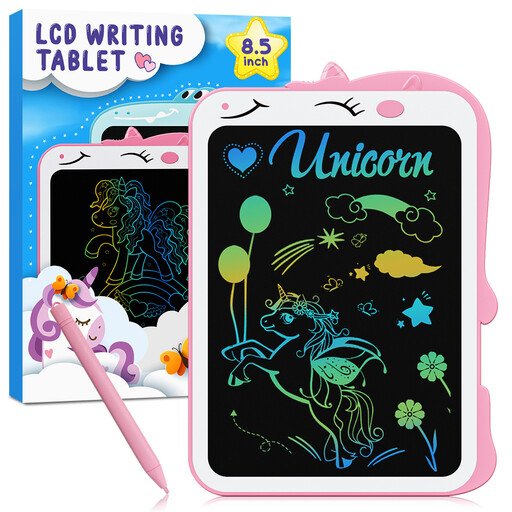
Why we recommend this product This model stands out for its extremely low weight of just 106 grams, making it one of the lightest devices in its class. The colour display allows for more varied drawings. According to the manufacturer, the casing is made of high-quality, non-toxic ABS plastic and meets EU safety standards.
Pros:
Best for:
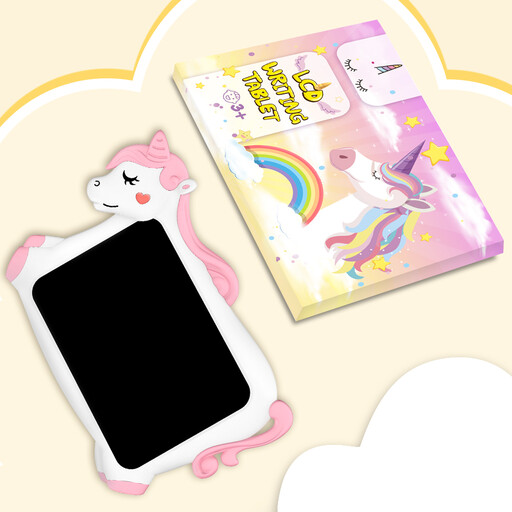
Why we recommend this product With a 10-inch screen diagonal, this writing tablet for girls offers a significantly larger drawing surface. Despite its size, the weight remains moderate at 202 grams. The integrated design and robust construction from moisture-resistant material make it durable. The manufacturer, CHEERFUN, also states compliance with EU toy safety tests for this model.
Pros:
Best for:
If you are looking for other creative or organisational products in a similar colour scheme beyond an LCD drawing board, it's worth exploring related categories. You can find a selection of items that combine functionality and design in the pink office supplies section, for example.
1. How does an LCD magic slate work? An LCD magic slate uses a pressure-sensitive liquid crystal layer. When the stylus applies pressure to the surface, the crystals realign and reflect ambient light, creating a visible line. The display does not require its own light source. To erase, a weak electrical pulse is applied, which returns the crystals to their disordered initial state and clears the screen.
2. Is an electronic drawing tablet safe for children? Yes, provided it meets certain standards. Models made from robust ABS plastic without sharp edges are mechanically safe. Electronically, they are harmless as they operate without harmful radiation or high voltages. The coin cell battery required for the erase function is typically secured in a screwed-in compartment to prevent ingestion by small children. Pay attention to manufacturer claims regarding compliance with EU standards.
3. From what age is a magic drawing slate suitable? Most manufacturers recommend their products for children aged 3 to 8. At this age, motor skills are sufficiently developed to hold the stylus and make controlled strokes. At the same time, the operation (a single button to erase) is simple enough for preschoolers to manage independently.