
Lieferung heute & morgen

Qualitätsgarantie

Willkommens-Angebote freischalten: KOSTENLOSE Lieferung | Bis zu 80 % RABATT | Kostenlose 30-Tage-JoyPlus-Testphase
App herunterladen
A spilled glass of red wine on the new sofa, muddy paw prints from the dog on the carpet, or stubborn stains on the car seats – situations like these demand an effective solution. An upholstery cleaner, often called a spot cleaner or spray extraction device, promises a quick fix. However, the market is confusing, and many devices don't live up to their promises. Before you make a purchase, it's crucial to understand the common pitfalls that often lead to disappointment and unnecessary expense.
As your Joybuy Product Recommendation Officer, I have analysed the essential features that define a functional device and will show you what to look for to make an informed choice.
Many consumers rely on marketing promises rather than technical facts. This often results in the purchased device failing to perform its primary task: the deep cleaning of textiles.
To avoid the problems mentioned above, you should check three core technical features before buying. These determine whether a device is truly capable of effectively cleaning your sofa, carpet, or car seat.
Suction power is the most important indicator of an upholstery cleaner's effectiveness. It specifies how strongly the device can pull the sprayed liquid, along with the dissolved dirt, back out of the textile fibres.
A high-quality spot cleaner always features a dual-tank system. This means there is a separate container for clean water (and cleaning solution) and another for the collected dirty water. This principle is crucial for a hygienic cleaning result, as it prevents cross-contamination. Pay attention to the tank capacity: larger tanks (e.g., over 1 litre for fresh water) allow for longer cleaning sessions without interruption.
For the thorough cleaning of upholstered furniture or carpets, a corded device is generally the more reliable choice. It delivers consistent and high power, which is necessary for the spray extraction process. A battery-powered handheld vacuum for the car can be practical for crumbs and dust, but for wet cleaning a car seat, a compact, corded spot cleaner is often superior as it provides the necessary force for stain removal.
Based on the criteria mentioned above, we have identified a few models that are well-suited for specific user groups and their needs.
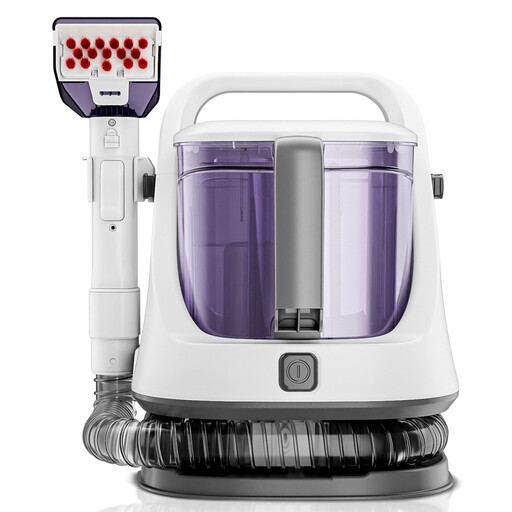
Why This Fits Their Persona: This model offers a balanced combination of performance and functionality for everyday messes in apartments or smaller homes. It's a solid entry-level tool for tackling stains on the sofa or small carpets.
With a suction power of 12 kPa and a clear dual-tank system (1400 ml clean, 1200 ml dirty), it bypasses the main problems of many entry-level models: weak extraction and unhygienic cleaning.
The device offers strong suction power for its price class and generously sized water tanks, which means fewer interruptions during cleaning.
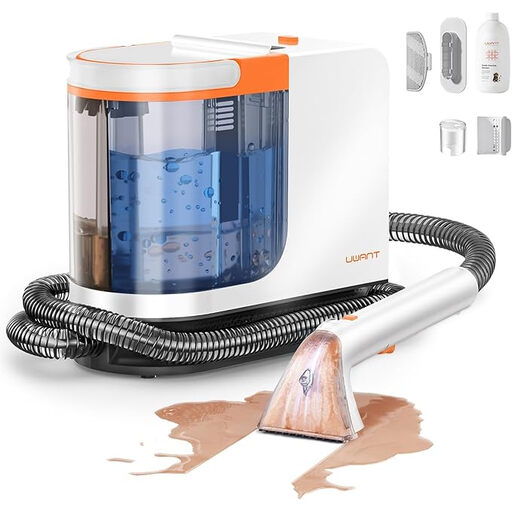
Why This Fits Their Persona: For households with pets or children, where stubborn messes are common, maximum power is required. This device is designed for deep cleaning and odour elimination.
With a very high suction power of 18 kPa, it extracts dirt and moisture even from dense carpets. The self-cleaning function for the hose prevents the build-up of bacteria and odours inside the device—a common problem with spot cleaners.
The combination of extremely strong suction and the automatic hose self-cleaning feature offers a solution for demanding cleaning tasks and ensures hygienic maintenance.
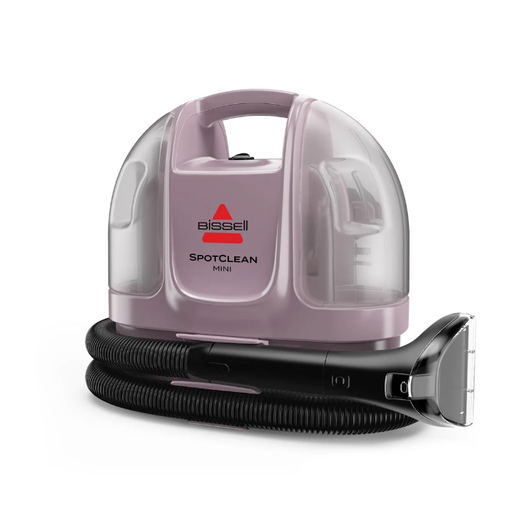
Why This Fits Their Persona: Cleaning car seats, floor mats, or stair treads requires an agile and lightweight device. This model is specifically designed for such hard-to-reach areas without compromising on cleaning performance.
Instead of relying on a weak battery, this corded device uses constant mains power for its Triple-Action Cleaning System (spray, scrub, suction). It is a full-fledged spray extraction device in a very compact body.
Its very low weight (approx. 3.4 kg) and compact design make it extremely easy to handle for use in tight spaces like a vehicle interior or on stairs.
We have compiled a complete, up-to-date list of products that fully meet these strict selection criteria and all relevant safety standards.
Can I use regular dish soap in an upholstery cleaner? No, this is strongly discouraged. Household cleaners like dish soap tend to create excessive foam. This foam can get into the device's motor and cause irreparable damage. Only use special, low-foaming cleaning solutions designed for spray extraction devices.
How long does it take for upholstery to dry after cleaning? The drying time depends on several factors: the device's suction power, the type of fabric, the room temperature, and ventilation. A powerful upholstery cleaner with high suction (e.g., over 12 kPa) will leave the fabric only slightly damp. In a well-ventilated room, the surface should be completely dry within 2 to 6 hours.
What is the difference between an upholstery cleaner and a regular wet/dry vacuum? An upholstery cleaner is a spray extraction device. It actively sprays a cleaning solution under pressure into the fabric to loosen dirt and immediately vacuums the liquid back up in the same pass. A conventional wet/dry vacuum is primarily designed to suck up existing, loose liquids or dry debris. It does not have a spray function for active stain treatment.