
Lieferung heute & morgen

Qualitätsgarantie

Willkommens-Angebote freischalten: KOSTENLOSE Lieferung | Bis zu 80 % RABATT | Kostenlose 30-Tage-JoyPlus-Testphase
App herunterladen
Choosing a new vacuum cleaner can quickly become overwhelming. Countless models, technical specifications, and marketing promises make it difficult to make an informed decision. Many buyers focus on superficial features only to realise later that the device doesn't suit their needs. As your Joybuy Product Recommendation Officer, I'll help you avoid the common pitfalls and understand the key criteria for your choice.
Before we dive into the details, let's look at three widespread misconceptions that often lead to a poor purchase:
To find the right vacuum cleaner, you should focus on objective performance features rather than pure marketing messages.
A vacuum's actual cleaning performance is an interplay of its motor, airflow design, and nozzle technology. Instead of wattage, the following indicators are more meaningful:
A good filter system is crucial for air hygiene. A multi-stage system is particularly indispensable for vacuums for allergy sufferers.
The best technology is of little use if the device is cumbersome to handle.
Based on these objective criteria, we have compiled a selection of models for different user profiles.
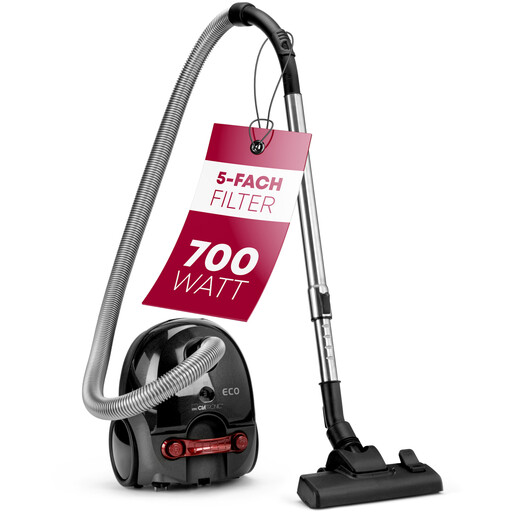
Why This Fits Their Persona: Ideal for a first home or as a reliable second unit. This model focuses on core functions without compromising on filtration, offering solid cleaning performance for standard requirements.
The 5-stage micro-filter system ensures basic filtration of the exhaust air instead of just redistributing dust. The focus is on an energy-efficient 700-watt motor, not a misleadingly high wattage figure.
Hygienic disposal with dust bags; switchable floorhead for different surfaces; practical accessories (brush/crevice nozzle) are already included.
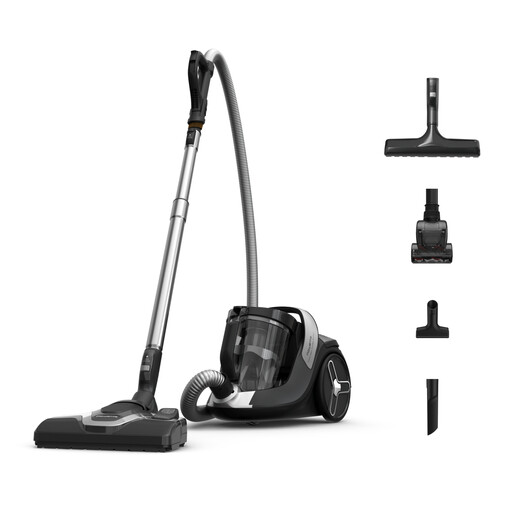
Why This Fits Their Persona: Designed for households where pet hair and allergens are a daily challenge. This model combines powerful cleaning performance with advanced filtration and quiet operation.
The 3-stage HEPA filtration system captures up to 99.98% of particles, according to the manufacturer. The included mini turbo brush is specifically designed for removing pet hair from upholstery and carpets—an accessory that makes all the difference.
Very quiet operation at just 66 dB; large 2.5-litre dust container capacity; special accessories for pet hair and parquet included.
![Dyson Cinetic Big Ball Multifloor 2 Bagless Cylinder Vacuum Cleaner [Energy Class A]](https://images4.joy-sourcing.com/product/s512x512_jfsintlpro-000-product/t1/4294967296/4259840/620737114539/71703/69faf11aEe5981460/42b10752b5083d5e.jpg)
Why This Fits Their Persona: For users who value innovative technology, durability, and low maintenance. The Dyson vacuum represents superior engineering and a thoughtfully designed user experience.
Dyson Cinetic technology captures microscopic dust particles without needing filters to be washed or replaced. This eliminates the risk of losing suction due to clogged filters and saves on running costs.
No filter maintenance and no follow-up costs for bags or filters; self-rights when toppled (Big Ball technology); hygienic bin emptying without dust contact.
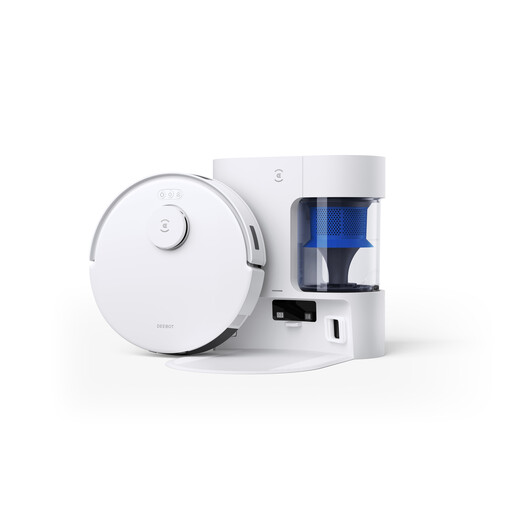
Why This Fits Their Persona: For anyone who wants a clean home without the daily effort. This robot vacuum handles floor cleaning autonomously and intelligently, freeing up more time for other things.
Instead of relying on manual operation, this model uses intelligent TrueMapping navigation for systematic cleaning. The ZeroTangle technology prevents hair from getting tangled in the brush—a common problem with simpler robots.
High suction power of 8,000 Pa for a deep clean; long battery life of up to 300 minutes; 4-stage filtration system to reduce allergens.
We have compiled a complete, up-to-date list of products that fully meet these strict selection criteria and German safety regulations.
1. What's more important in a vacuum cleaner: wattage or suction power? Suction power is the crucial factor, not wattage. Wattage only indicates power consumption. High suction power, often measured in Pascals (Pa) or Airwatts (AW), combined with an efficient floorhead, ensures a clean result. A model with lower wattage can achieve higher cleaning performance through better design.
2. How often should you change the HEPA filter in a vacuum for allergy sufferers? This depends on the frequency of use and the filter type. According to manufacturer instructions, washable HEPA filters should be rinsed under running water every few months and must be completely dry before reinsertion. Disposable filters should typically be replaced every 6 to 12 months to ensure optimal filtration performance.
3. Which vacuum cleaner is best for pet hair on carpets? For the effective removal of pet hair, especially on carpets, a vacuum for pet hair with a rotating brush roll (electric or turbo brush) is recommended. These brushes comb the hair out of the carpet fibres. Models explicitly labelled as "Animal" or "Pet" often include such a specialised nozzle in the box.