
Lieferung heute & morgen

Qualitätsgarantie

Willkommens-Angebote freischalten: KOSTENLOSE Lieferung | Bis zu 80 % RABATT | Kostenlose 30-Tage-JoyPlus-Testphase
App herunterladen
As a Joybuy Product Recommendation Officer, I see customers struggling with a flood of product information every day. The confusion is especially high when searching for a vacuum cleaner for pet hair. Pet owners need a reliable solution, yet many devices overpromise and underdeliver. This guide is designed to help you distinguish marketing hype from genuine performance features and make an informed decision.
Before we dive into the important features, let's look at three common marketing traps that often lead to buyer's remorse.
To avoid the pitfalls mentioned above, focus on the following three core parameters. These determine whether a vacuum cleaner can handle the unique demands of a pet-friendly household.
Instead of motor wattage, two values are crucial: Pascal (Pa) and Air Watts (AW).
These values provide an objective basis for actual cleaning performance.
An effective anti-tangle brush is indispensable for pet owners. Look for the following design features:
A sealed system with a HEPA filter is the standard for homes with pets and allergy sufferers. HEPA (High-Efficiency Particulate Air) filters are proven to capture 99.97% of particles as small as 0.3 microns. This includes pet dander, pollen, and fine dust.
Low-maintenance features provide additional convenience:
Based on the criteria above, we have identified a few models that are particularly well-suited for specific user profiles in pet-owning households.
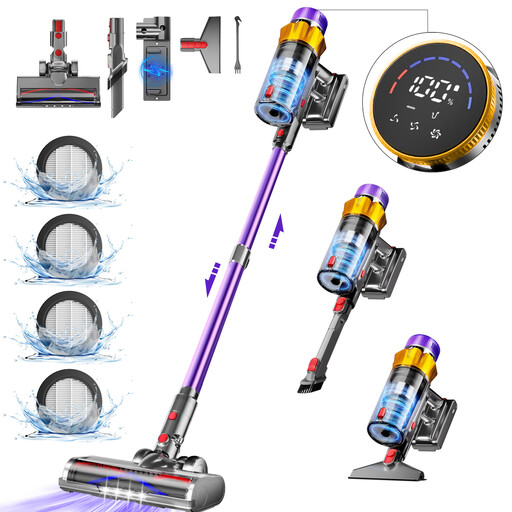
Why it's a match: Ideal for users seeking a fast and flexible cleaning solution for the entire home. The combination of high suction power and long battery life allows for uninterrupted cleaning of hard floors and carpets.
The device uses a V-shaped anti-tangle brush that actively reduces hair wrapping, thus minimising maintenance. The high suction power rating in kPa is a transparent performance metric.
Long battery life of up to 70 minutes and a 7-stage filtration system to clean the exhaust air. The battery is also replaceable.
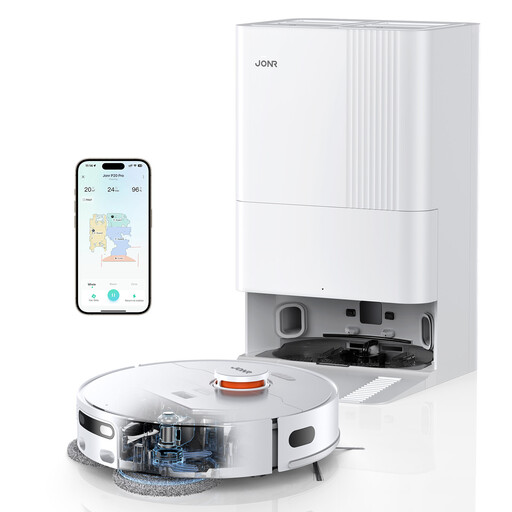
Why it's a match: For tech-savvy users who want a fully automated "set-it-and-forget-it" solution. The all-in-one station handles vacuuming, mopping, emptying, cleaning, and drying.
This model combines a solid 8,150 Pa suction power with an anti-tangle side brush. The fully automatic station ensures that filters and brushes require less frequent manual cleaning.
The all-in-one base station with hot-air drying for the mops prevents odours. Laser navigation ensures a precise and efficient cleaning route.
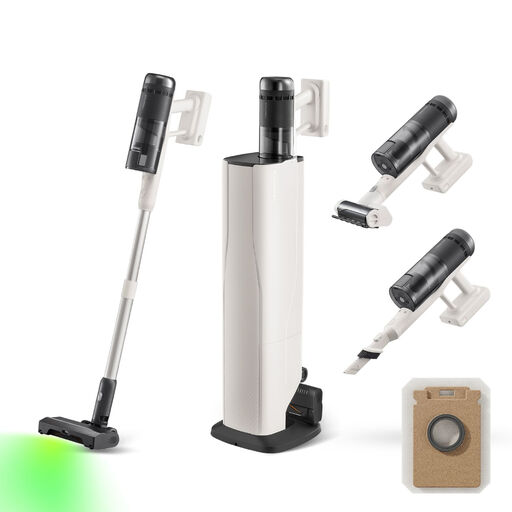
Why it's a match: For users who want to combine the flexibility of a cordless vacuum with the convenience of automatic emptying. Ideal for large living spaces with mixed flooring.
This model delivers an objectively high 170 AW of suction power. The auto-empty dock solves the problem of frequent emptying and allergen contact, a common drawback of conventional stick vacuums.
The auto-empty dock is a standout feature in this class. A long 80-minute battery life and green LED dust detection maximise cleaning efficiency.
We have compiled a complete, up-to-date list of products that fully meet these strict selection criteria and all relevant safety regulations.
1. How often should I change the HEPA filter in a vacuum for pet hair? The frequency depends on usage and the specific model. As a general guideline, it's recommended to clean washable HEPA filters every 2-4 weeks and replace them every 6-12 months. Non-washable filters should also be replaced within this interval. Some modern devices feature maintenance reminders in their app or on the display.
2. Is a higher Pascal (Pa) number always better for pet hair? A high Pa number is a good indicator of strong suction, but it's not the only factor. Effectiveness also depends on the design of the floorhead, the brush roll, and the seal of the entire system. A device with a moderate Pa rating but a brilliantly engineered brush can pick up pet hair more effectively than a model with a high Pa value and an inefficient nozzle.
3. Do robot vacuums work well with long-haired pets? Modern robot vacuums are increasingly better suited for homes with long-haired pets. Models with an anti-tangle brush, often made of rubber or featuring a special V-shape, significantly reduce hair tangling. A robot vacuum with an auto-empty station is particularly advantageous here, as the station often has stronger suction to pull hair from the robot's brush into the dust bag.