
Lieferung heute & morgen

Qualitätsgarantie

Willkommens-Angebote freischalten: KOSTENLOSE Lieferung | Bis zu 80 % RABATT | Kostenlose 30-Tage-JoyPlus-Testphase
App herunterladen
As a Joybuy Product Recommendation Officer, I see consumers battling a flood of marketing promises every day. The confusion is especially high when searching for a vacuum cleaner for pet hair. Pet owners need a reliable solution that not only cleans the surface but also removes deeply embedded hair and allergens. Yet, many devices fail at this very task in practice.
This guide will help you identify the crucial features and avoid common purchasing traps, so you can find a model that truly meets the demands of your household.
Before we turn to the solutions, it's important to understand the most common problems that lead to purchase regret. Many manufacturers advertise features that offer little practical benefit.
vacuums for allergy sufferers.To avoid the pitfalls mentioned, focus on three verifiable performance features. These define whether a vacuum is suitable for the demanding task of pet hair removal.
Instead of wattage, specifications in Pascal (Pa) or Air Watts (AW) are more meaningful indicators of actual suction performance. A vacuum with high suction power is essential for pulling hair not just from hard floors, but also from carpet fibres and upholstery. For effective cleaning, cordless vacuums should achieve values over 20,000 Pa, while canister vacuums often maximise their performance through optimised airflow.
A canister vacuum with a HEPA filter is indispensable for households with pets and allergy sufferers. HEPA stands for "High-Efficiency Particulate Air." These filters are capable of filtering over 99.9% of particles as small as 0.3 micrometres from the exhaust air. This includes pollen, dust mite faeces, mould spores, and, of course, pet allergens. Look for washable HEPA filters to reduce running costs and ensure consistently high filtration performance.
For carpets, a vacuum with a turbo brush or an electric brush head is crucial.
vacuum with an LED light on the floorhead is a practical feature to make fine hairs and dust visible.Instead of making a one-size-fits-all recommendation, we have selected models tailored to specific user profiles and their requirements.
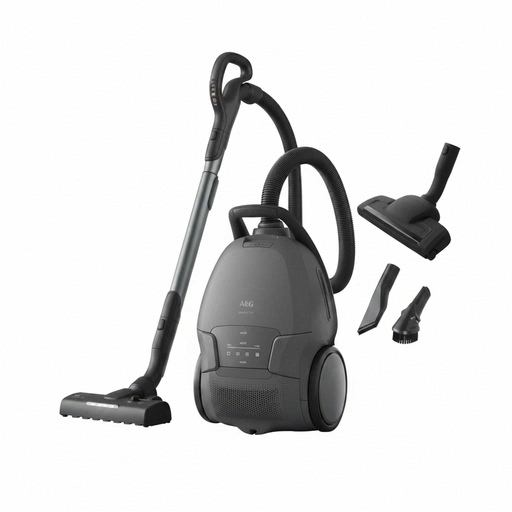
Why This Fits Their Persona: This model is a classic canister vacuum designed for performance and thoroughness. Ideal for households with mixed floor types and high standards for air hygiene and pet hair removal. Its mention in the `Stiftung Warentest vacuum cleaner` test (issue 09/2024) underscores its proven quality.
It bypasses the "wrong nozzle" trap with the included PET XL Turbo Nozzle, which is specifically designed for picking up pet hair. The HEPA filtration system also ensures clean exhaust air.
Powerful suction on all floors, combined with a washable HEPA filter and a special pet hair nozzle. The auto mode adjusts suction power to the floor type.
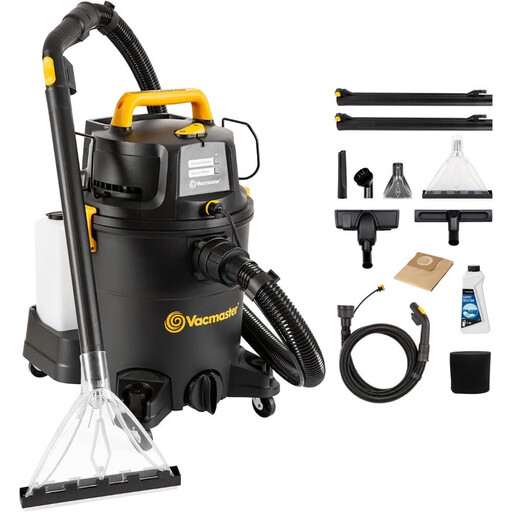
Why This Fits Their Persona: For users who want to not only vacuum but also remove stains and deep-seated dirt from carpets, car seats, and upholstery. This device is a specialised solution for hygienic, deep-fibre cleaning.
This device goes beyond simple dry vacuuming. It tackles the root cause of allergens and dirt with a wet cleaning function, which prevents superficial cleaning.
Combines wet, dry, and shampooing functions in one device. The multi-stage filtration system with HEPA material is also suitable for the dry vacuuming mode.
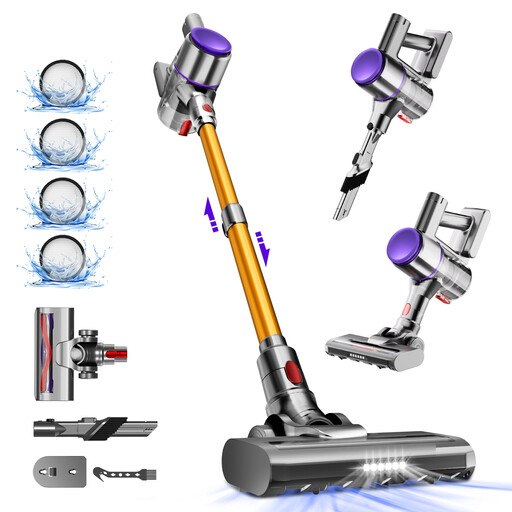
Why This Fits Their Persona: Perfect for users looking for a quick and easy solution for daily cleaning of hard floors and low-pile carpets. Its lightweight design and battery operation offer maximum flexibility.
This model bypasses the watt trap by stating its suction power directly in Pascals (up to 45,000 Pa). The 5-stage filtration system with HEPA components also addresses the problem of inadequate filtration.
High suction power specified in Pa and a multi-stage filtration system. The V-shaped brush minimises hair tangling, and the LED light on the nozzle makes cleaning easier.
We have compiled a complete, up-to-date list of products that fully meet these strict selection criteria and German safety regulations.
1. How often should you change the HEPA filter in a vacuum for pet hair? The lifespan of a HEPA filter depends on the frequency of use and the amount of dust and hair. For washable filters, cleaning every 4-6 weeks is recommended. The filter typically needs to be replaced every 12 to 24 months to ensure optimal filtration performance. Always follow the manufacturer's instructions.
2. What is the difference between a turbo brush and an electric brush head? A turbo brush is powered by the vacuum's airflow. Its rotation speed can decrease with diminishing suction power or on high-pile carpets. An electric brush head has its own motor and therefore rotates at a constant, high speed, making it particularly effective at removing deeply embedded pet hair from carpets.
3. Are bagless vacuums suitable for allergy sufferers with pets? Yes, provided they have a high-quality, multi-stage filtration system with a HEPA filter. The hygienic emptying of the dustbin is also crucial. Models that allow dust to be ejected directly into the bin at the push of a button minimise contact with allergens. However, a bagged vacuum cleaner can be more advantageous for allergy sufferers, as the dust is sealed in the bag and disposed of as a whole.