
Lieferung heute & morgen

Qualitätsgarantie

Willkommens-Angebote freischalten: KOSTENLOSE Lieferung | Bis zu 80 % RABATT | Kostenlose 30-Tage-JoyPlus-Testphase
App herunterladen
The range of vegan protein powders has grown significantly in recent years. For athletes, fitness enthusiasts, and health-conscious individuals, this is a positive development, but the sheer variety doesn't make the decision any easier. Many products make similar promises, yet the differences in quality and composition are substantial. Before you make a choice, it's important to understand a few common pitfalls that can lead to an unsatisfactory experience.
A widespread issue is the misleading emphasis on pure protein content without considering the quality of the protein sources. A high value alone does not guarantee a complete amino acid profile, which is crucial for goals like muscle building with protein powder. Another point is the sensory quality: many users report a gritty texture or an artificial aftertaste that makes regular consumption difficult. Finally, some products contain hidden fillers, excessive amounts of sweeteners, or allergens like wheat, which is problematic for users specifically looking for a wheat-free protein powder.
To find a suitable vegan protein powder that meets your needs, you should carefully examine three core parameters. These will help you objectively evaluate product promises.
A plant-based protein powder can come from a single source (e.g., only pea protein) or from multiple sources. A multi-component vegan protein combines various plant-based proteins such as soy, pea, rice, or sunflower protein. The advantage lies in complementing the respective amino acid profiles. For example, while pea protein is weaker in some amino acids, this can be balanced out by rice or soy protein. The result is a higher biological value, meaning the body can use the ingested protein more efficiently.
A look at the ingredient list is essential. If you prefer a sugar-free protein powder, look for products that are either unsweetened or use sweeteners like sucralose or steviol glycosides. The claim "no added sugar" does not necessarily mean the product is sugar-free, as it may contain naturally occurring sugars.
For individuals with intolerances or specific dietary plans, checking for allergens is crucial. Products declared as wheat-free protein powder use alternative protein sources and are a safe choice for those with a wheat intolerance or a desire to avoid wheat.
The solubility of a protein powder significantly impacts its mouthfeel and overall experience. A high-quality powder should dissolve well in liquids like water or plant-based milks without forming clumps. A creamy vegan protein shake is not only more pleasant to drink but also an indicator of good raw material processing. The manufacturer's preparation recommendations often provide guidance on the optimal amount of liquid for the desired consistency.
Based on the criteria mentioned, we have compiled a selection of products for different user profiles.
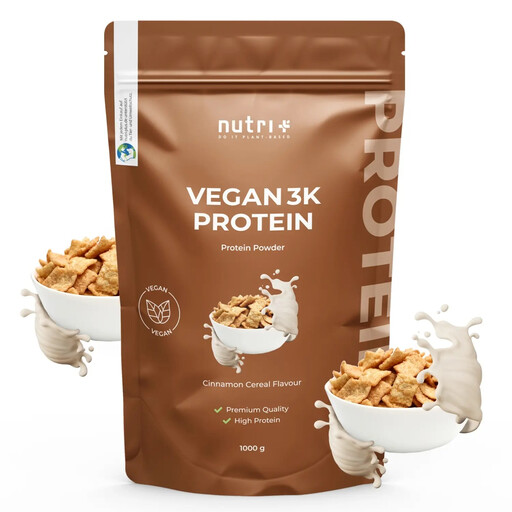
Why it's a good fit: Ideal for individuals seeking a wheat-free protein powder due to an intolerance or a conscious dietary choice, who also want an interesting flavour alternative to standard options like vanilla or chocolate.
The formula, based on soy, pea, and sunflower protein, is explicitly wheat-free, thus avoiding the trap of hidden allergens that can be present in some multi-component blends.
Offers a solid 3-component protein source with 23g of protein per serving and an exceptional flavour (Cinnamon Cereal).
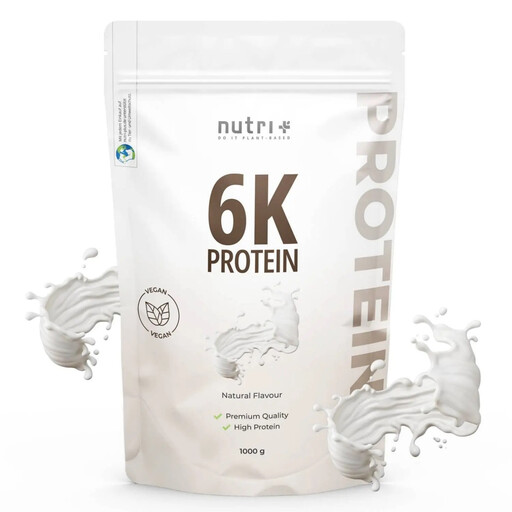
Why it's a good fit: For users who prefer a pure protein source without any additives. It offers maximum flexibility, as it's suitable for cooking, baking, or creating custom shakes where the user controls the flavour and sweetness.
This product contains no sweeteners, flavours, or fillers. This completely avoids the pitfall of hidden sugars or unwanted additives.
A complex 6-component blend (soy, wheat, rice, pea, sunflower, almond) ensures a broad amino acid profile and delivers 25g of protein per serving.
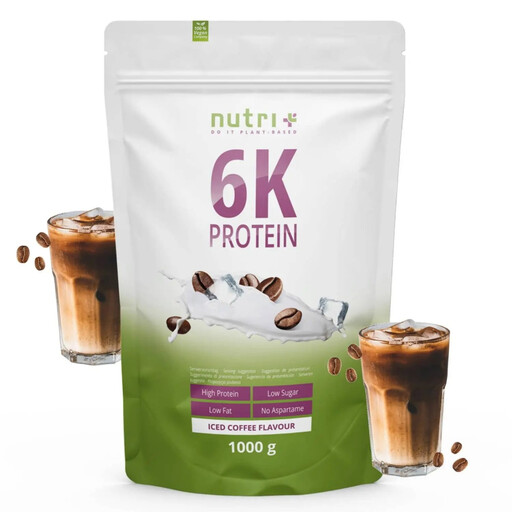
Why it's a good fit: For athletes and active individuals looking for a flavourful yet functional protein powder for regular post-workout use. The iced coffee flavour offers a welcome change.
As a multi-component vegan protein with six different sources, it addresses the pitfall of an incomplete amino acid profile that can occur with single-source protein products.
Combines a high protein content (23g per serving) with real coffee extract (6%) for an authentic taste.
We've compiled a complete, up-to-date list of products that fully meet these strict selection criteria and UK regulations.
For a lump-free result, the right order is crucial. First, add the liquid (e.g., 300-400 ml of water or plant-based milk) to a shaker. Only then add the recommended amount of protein powder. Close the shaker tightly and shake vigorously for about 20-30 seconds. A shaker with a built-in sieve or a mixing ball can further improve solubility.
No, vegan protein powder is not exclusively for muscle building. It can also serve as a convenient supplement to meet daily protein requirements as part of a balanced diet, especially for those following a plant-based lifestyle. It can promote satiety and be used as a protein-rich ingredient in recipes like porridge, pancakes, or smoothies.
You can identify a high-quality plant-based protein powder by several features: