
Lieferung heute & morgen

Qualitätsgarantie

Willkommens-Angebote freischalten: KOSTENLOSE Lieferung | Bis zu 80 % RABATT | Kostenlose 30-Tage-JoyPlus-Testphase
App herunterladen
The selection of vegan protein powders is vast, but not every product delivers on its promise. Many users invest in a plant-based protein powder only to be disappointed by a gritty texture, an incomplete nutritional profile, or unwanted additives. As a Joybuy Product Recommendation Officer, I'll help you navigate these pitfalls and make an informed decision.
Before you make a choice, you should be aware of the typical shortcomings often hidden behind appealing marketing.
To ensure your vegan protein powder serves its purpose, you should check three core parameters.
A high-quality plant-based protein powder combines multiple protein sources to ensure a complete amino acid profile. Such multi-component vegan protein blends, often referred to as 3K or 6K protein, leverage the strengths of different plants:
This combination achieves a high biological value, which is essential for using vegan protein powder for muscle building.
The ingredients list is more revealing than the front of the package. Pay attention to the following points:
Not every powder serves the same goal. While classic protein powders aim to support muscles, there are specialised products. So-called vegan collagen supporters are not direct protein sources for muscle building. Instead, they provide specific amino acids (like glycine, proline, lysine) and micronutrients (e.g., Vitamin C, zinc, hyaluronic acid) that the body needs for its own collagen production. These are designed for individuals who want to support the health of their skin, hair, and connective tissue.
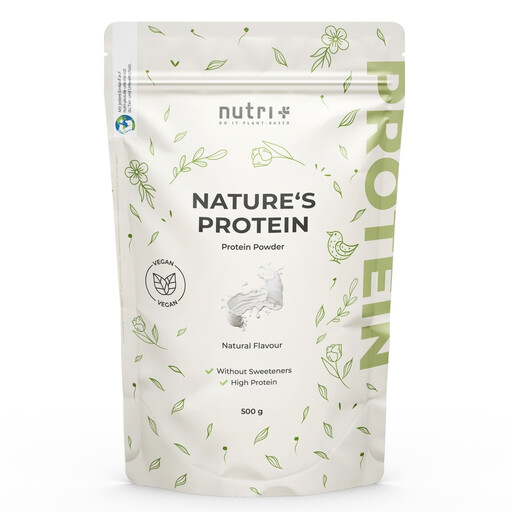
Why This Fits Their Persona: Ideal for users who want maximum control over flavour and ingredients. It is free of sweeteners and flavourings, making it perfect for cooking, baking, or creating your own custom shakes.
Avoids the "hidden fillers" trap by consisting of just three protein sources: soy, pea, and rice protein. No sweeteners, no flavourings.
High Protein Content: Delivers 25g of protein per 30g serving. Versatility: Can be sweetened and flavoured as desired.
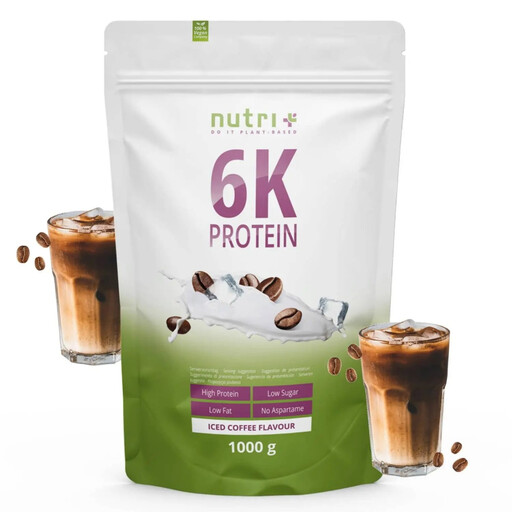
Why This Fits Their Persona: Designed for athletes seeking a complex protein formula to support muscle maintenance and recovery. The 6-component blend offers a broad amino acid spectrum.
Addresses the "incomplete amino acid profile" issue by combining six different plant-based proteins, including soy, wheat, rice, and pea.
Complex Formula: Six protein sources for high biological value. Great Taste: The Iced Coffee flavour, with real coffee extract (6%), offers a delicious change of pace.
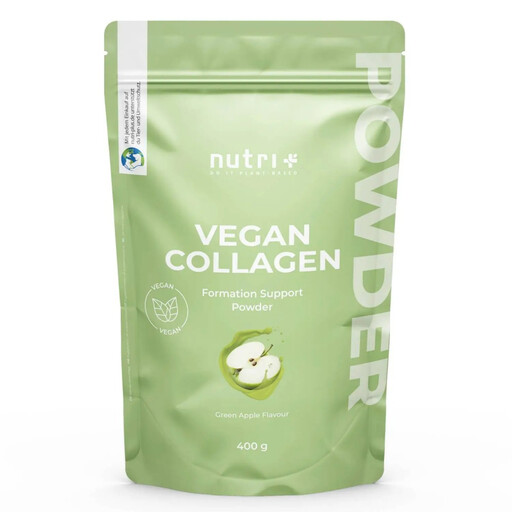
Why This Fits Their Persona: For individuals looking for a plant-based alternative to conventional collagen powder. The focus is on supporting the body's own collagen production for skin and connective tissue.
This product is clearly positioned as a collagen supporter, not a muscle-building protein. It avoids confusion by offering a specific, targeted formula.
Specialised Ingredients: Contains collagen-forming amino acids, hyaluronic acid, vitamin C, and zinc. Plant-Based Foundation: A vegan formula designed to support collagen synthesis.
We've compiled a complete, up-to-date list of products that fully meet these strict selection criteria and quality standards.
The terms 3K and 6K refer to the number of combined protein sources. A 3K protein like the one from Nutri Plus Protein typically consists of three components (e.g., soy, pea, sunflower). A 6K protein contains six different sources (e.g., with added wheat, rice, almond). A higher number of components aims to further optimise the amino acid profile and achieve an even higher biological value.
The effectiveness of a protein for muscle building largely depends on its content of essential amino acids (EAAs), especially leucine. High-quality vegan multi-component protein powders are designed to have a complete amino acid profile that comes close to that of whey protein. Studies suggest that with sufficient dosage and a complete amino acid profile, plant-based proteins can support muscle growth comparably to animal-based proteins.
Look for a combination of multiple protein sources (multi-component protein), a high protein content of over 70g per 100g, and a transparent ingredients list without unwanted fillers or large amounts of sugar. Good solubility and a pleasant taste are also indicators of high product quality.