
Lieferung heute & morgen

Qualitätsgarantie

Willkommens-Angebote freischalten: KOSTENLOSE Lieferung | Bis zu 80 % RABATT | Kostenlose 30-Tage-JoyPlus-Testphase
App herunterladen
The search for a suitable vegan protein powder can quickly become overwhelming. The market is flooded with products promising incredible results, but not all of them live up to what their labels suggest. As a Joybuy Product Recommendation Officer, my mission is to provide you with objective criteria to help you make an informed decision and avoid common purchasing traps.
Many consumers invest in a vegan protein powder only to find it doesn't meet their needs. The most common problems are:
To avoid these pitfalls, it's crucial to understand the core parameters of a high-quality plant-based protein powder.
Before you decide on a product, you should examine three central aspects. These will help you separate the wheat from the chaff and find a powder that aligns with your goals.
The foundation of any protein powder is its source. For plant-based options, there are two main categories:
A multi-component vegan protein is often a well-balanced choice for athletes and individuals looking to ensure comprehensive nutritional support.
A close look at the ingredient list is essential. Pay special attention to the following:
Not every plant-based protein product is designed for the same purpose. While most powders are intended for preparing a vegan protein shake, there are also alternatives for the kitchen. Products like textured soy protein serve as a high-protein meat substitute in dishes like bolognese or chili sin carne and are less suitable for shakes. Therefore, consider how you primarily intend to use the product before buying.
Based on the criteria mentioned, we have matched some products from our range to different user profiles.
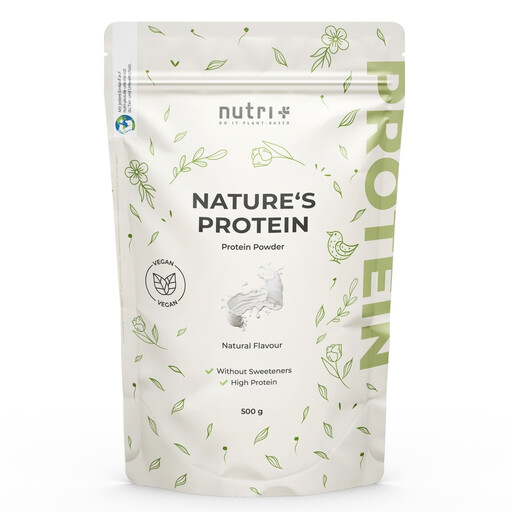
Why This Fits Their Persona: Ideal for users who want full control over flavour and sweetness. This powder serves as a neutral base for shakes, smoothies, or for enriching baked goods and meals.
It contains no sweeteners or flavours, thus avoiding the trap of hidden additives. The ingredient list is short and transparent.
Made from a 3-component blend (soy, pea, and rice protein). Offers 25g of protein per 30g serving.
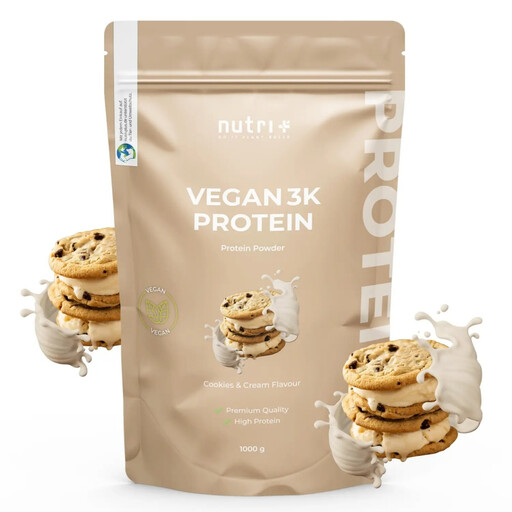
Why This Fits Their Persona: Perfect for users who prefer a quick-to-prepare and great-tasting shake after their workout, without any mixing hassle.
This powder is designed for excellent solubility and a pleasant taste, avoiding the "gritty" texture common to many vegan powders.
A wheat-free, 3-component formula (soy, pea, sunflower) delivers 23g of protein per serving to support muscle maintenance.
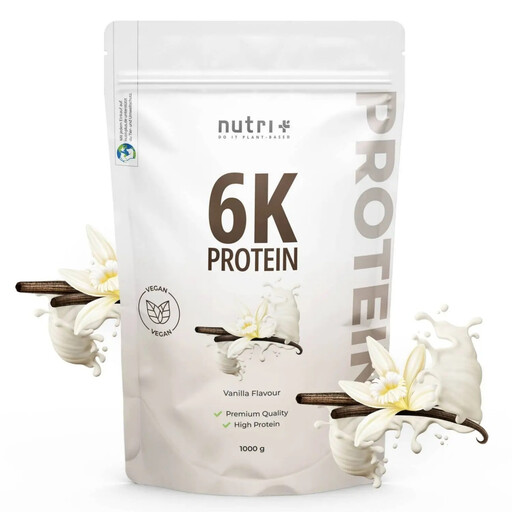
Why This Fits Their Persona: Developed for athletes and fitness enthusiasts seeking a complex amino acid profile to support their muscle-building goals.
By combining six different protein sources, it minimises the risk of an incomplete amino acid profile, a common issue with some single-source proteins.
The 6K formula (soy, wheat, rice, pea, sunflower, almond) ensures a high biological value. Delivers 23g of protein per serving.
We've compiled a complete, up-to-date list of products that fully meet these strict selection criteria and German regulations.
Yes, building muscle is possible with plant-based protein powder. Proteins are made of amino acids, which are the building blocks of muscle. The key is ensuring the protein powder has a complete amino acid profile, meaning it contains all nine essential amino acids. Multi-component proteins or pure soy protein are a great foundation for this, providing the body with the necessary nutrients for repair and growth after a workout.
The frequency depends on your individual goals, daily diet, and training volume. For athletes, consuming a shake within two hours after a workout is common to support muscle recovery. A shake can also serve as a high-protein snack or supplement a low-protein meal. It is important not to exceed the recommended daily dose stated on the product. A protein powder is a supplement, not a replacement for a balanced diet.
Some individuals may be sensitive to certain plant-based protein sources or additives. Pea or bean proteins, in particular, can initially cause digestive discomfort for some people. If you have a sensitive stomach, it may be helpful to start with a smaller dose or choose a product with a different protein composition, such as one based on soy or rice protein. Powders without artificial sweeteners and with few additives are also often better tolerated.