
Lieferung heute & morgen

Qualitätsgarantie

Willkommens-Angebote freischalten: KOSTENLOSE Lieferung | Bis zu 80 % RABATT | Kostenlose 30-Tage-JoyPlus-Testphase
App herunterladen
Finding the right vegan protein powder can quickly become overwhelming. The market is flooded with products promising high protein content and optimal results. Yet, not every powder delivers on its promises. Many users invest in products that are disappointing in taste, dissolve poorly, or are loaded with unwanted additives. This guide will help you identify the crucial quality markers and make an informed choice.
As your Joybuy Product Recommendation Officer, I have analysed the most common pitfalls so you can avoid them.
To navigate these pitfalls, you should check three core parameters before making a decision. These criteria will help you separate the wheat from the chaff and find a product that meets your standards for quality and functionality.
The foundation of any protein powder is its source. For vegan options, soy, pea, rice, and hemp are dominant.
A short and understandable ingredient list is usually a good sign. Pay attention to the following:
The best nutritional composition is of little use if the shake is undrinkable.
Based on the criteria above, we have identified some products that are well-suited for specific user profiles.
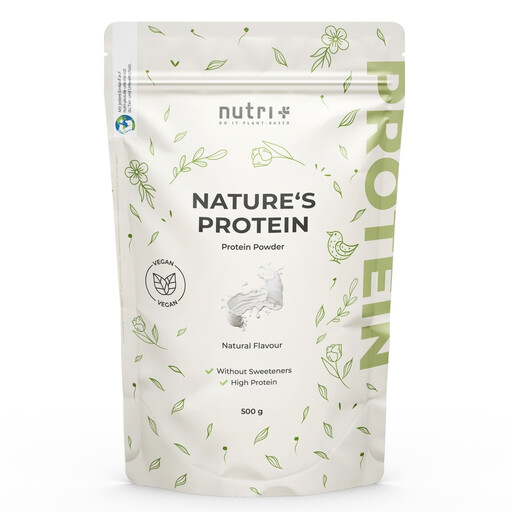
Why This Fits Their Persona: Ideal for users who want maximum control over flavour and ingredients. This powder serves as a neutral base for shakes, smoothies, or for enriching yoghurt and muesli without altering the taste.
It contains no sweeteners or flavours, completely sidestepping the "sweetener trap." The multi-component formula of soy, pea, and rice protein ensures a complete amino acid profile.
Maximum flexibility in use. High protein content of approx. 83g per 100g (according to the manufacturer) to support muscle growth.
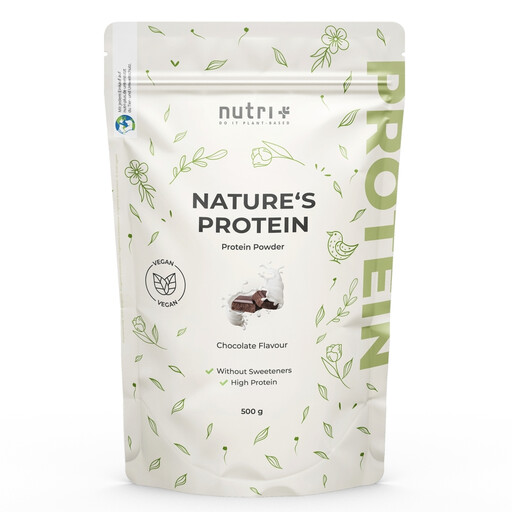
Why This Fits Their Persona: Perfect for anyone seeking a delicious chocolate flavour but wanting to avoid artificial sweeteners and control the sweetness themselves. Ideal for a quick post-workout shake.
The flavour comes from natural, low-fat cocoa powder, not artificial flavourings. It is unsweetened, thus avoiding the artificial aftertaste of many ready-made shakes.
Combines the convenience of a predefined flavour with the flexibility of custom sweetening. The multi-component base ensures good solubility and a high biological value.
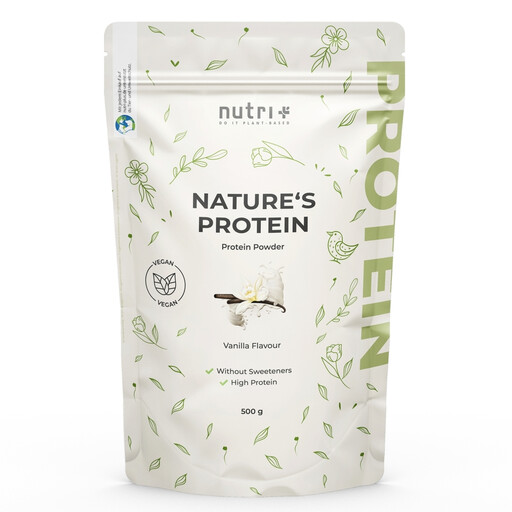
Why This Fits Their Persona: For users who use protein powder not just for shakes, but also for baking or protein pancakes. The vanilla flavour is subtle and versatile.
Uses natural flavouring and omits sweeteners, which prevents over-sweetening in recipes. The blend of three protein sources counteracts the gritty texture that can be problematic in baking.
High versatility for shakes, baked goods, and cooking recipes. Provides a solid protein base (approx. 83g per 100g according to the manufacturer) with a pleasant but not overpowering taste.
We have compiled a complete, up-to-date list of products that fully meet these strict selection criteria and regulatory standards.
To achieve a creamy consistency, use a shaker with a sieve insert or a blender. Add the liquid first (e.g., water, oat, or almond milk), followed by the powder. Shaking or blending vigorously for at least 30 seconds significantly improves solubility. Using a multi-component protein can also contribute to a smoother texture.
Soy protein isolate is one of the few plant-based proteins that has a complete amino acid profile, similar to that of whey protein. It contains all nine essential amino acids the body needs for muscle growth. Studies suggest that, with adequate dosage, soy protein can provide comparable support for muscle protein synthesis as whey protein, making it a valid option for athletes.
Yes, especially neutral or mildly flavoured powders are excellent for increasing the protein content of meals. You can add it to pancake batter, muffins, porridge, or even savoury sauces. Note that protein powder absorbs liquid. You may need to slightly adjust the amount of liquid in your recipes to achieve the desired consistency. Start with small amounts and experiment.