
Lieferung heute & morgen

Qualitätsgarantie

Willkommens-Angebote freischalten: KOSTENLOSE Lieferung | Bis zu 80 % RABATT | Kostenlose 30-Tage-JoyPlus-Testphase
App herunterladen
The search for alternatives to traditional potato crisps leads many to vegetable crisps. Whether driven by curiosity for new flavours, health considerations, or specific dietary needs like a vegan or gluten-free lifestyle, interest in these snacks is steadily growing.
This article serves as a guide. It presents a selection of different crisp alternatives and provides practical information about their characteristics. The goal is to offer you an informed basis for your decision, so you can find the right product for your needs.
The variety of vegetable crisps can be overwhelming. The following points will help you evaluate products more objectively and make a suitable choice.
A short and understandable ingredient list is often a sign of a less processed product. Pay attention to the main ingredient: is it a root vegetable like cassava (tapioca), mushrooms, or a fruit like plantain? Products like tapioca crisps or plantain crisps are based on a single plant source and are often naturally gluten-free crisps. Also, check which oils and spices are used, especially if you want to avoid certain ingredients.
The preparation method has a significant impact on texture and nutritional profile.
A look at the nutritional table per 100 grams allows for a direct comparison of different products. Pay attention to the content of salt, fat (especially saturated fatty acids), and fibre. Depending on your personal preferences, you can make a conscious choice for healthy snacks that fit your lifestyle.
Here is a presentation of three different vegetable crisp varieties that reflect the diversity of the market.
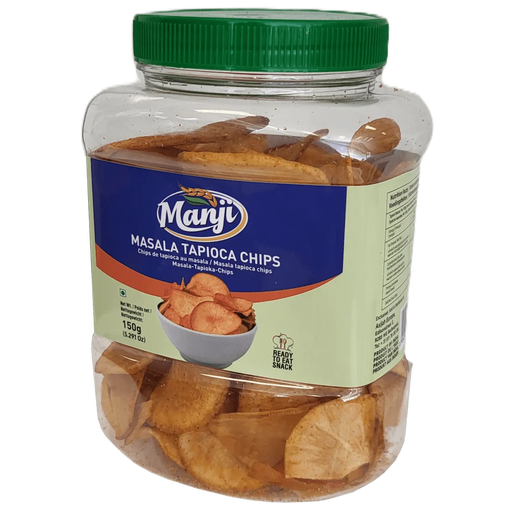
Why they stand out: These crisps are made from thinly sliced tapioca roots (also known as cassava) and seasoned with a traditional Indian masala spice blend. They offer a spicy and slightly hot flavour experience that stands out distinctly from classic potato crisps. If you're specifically looking to buy cassava crisps, this is an interesting option.
Advantages:
Who are they for? For those looking for a boldly spiced, crunchy, and vegan snack who are open to international flavours. Due to their heat, they are particularly appealing to fans of spicy food.

Why they stand out: According to the manufacturer, these shiitake mushroom crisps consist of at least 95% shiitake mushrooms. They are produced using a low-temperature vacuum dehydration process, which gives them a very light and crispy texture without being fried. The black truffle aroma provides an intense umami flavour.
Advantages:
Who are they for? For culinary enthusiasts and foodies seeking a snack with an extraordinary texture and a gourmet flavour profile. They also work well as a crunchy topping for salads or soups.
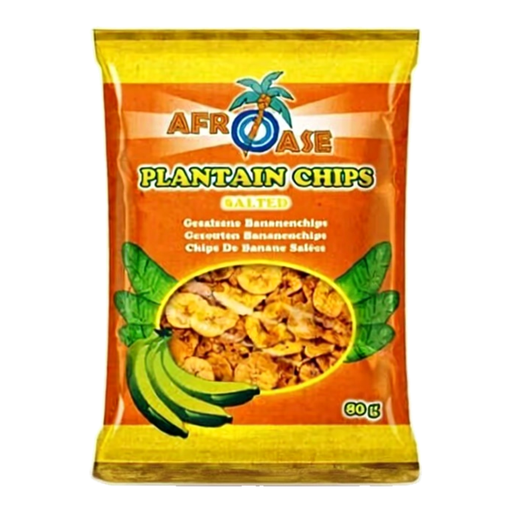
Why they stand out: These plantain crisps are made from green plantains from Ecuador. Unlike sweet banana crisps, they are savoury and have a firmer, starchier texture. The ingredient list is deliberately simple, with plantains (84%), palm oil, and sea salt.
Advantages:
Who are they for? For anyone who prefers a straightforward and natural snack alternative with a subtly earthy taste. They are a great choice for people with intolerances or for those who appreciate minimalist ingredient lists.
The world of snacks is diverse and offers the right option for every occasion. If you want to try different flavours or stock up, it might be worth looking at larger pack sizes.
? Explore our selection of multipack crisps and find more options.
That heavily depends on the specific product, its ingredients, and the production method. Some vegetable crisps may have lower fat or salt content, especially if they are baked or vacuum-dried. Others, particularly fried varieties, can have nutritional values similar to potato crisps. Therefore, comparing the nutritional information on the packaging is always recommended.
Many vegetable crisps based on a single type of vegetable or root (e.g., plantain, cassava, beetroot) are naturally vegan and gluten-free. However, it is important to check the ingredient list carefully. Spice blends may contain dairy or gluten-containing ingredients. Cross-contamination during production is also possible, which is indicated by allergen warnings on the packaging.
Exotic crisps like tapioca crisps (cassava crisps) or special mushroom crisps are increasingly available in well-stocked supermarkets, Asian markets, or health food stores. Specialised online shops offer a particularly large selection, carrying products from different parts of the world and providing a convenient way to specifically buy cassava crisps or discover other unique varieties.