
Lieferung heute & morgen

Qualitätsgarantie

Willkommens-Angebote freischalten: KOSTENLOSE Lieferung | Bis zu 80 % RABATT | Kostenlose 30-Tage-JoyPlus-Testphase
App herunterladen
A good vegetable peeler glides effortlessly over the skin of fruits and vegetables, saving time and minimising waste. A bad one, however, turns kitchen prep into a test of patience. But how can you tell the difference before you buy? Many models look deceptively similar, but their weaknesses are hidden in the details. As your Joybuy Product Recommendation Officer, I'll help you navigate the typical pitfalls and find a tool that reliably gets the job done.
Before we look at the features of a good peeler, let's consider the problems that frequently occur with inferior products. Knowing these is the first step toward making a better purchasing decision.
To avoid the problems mentioned above, you should pay attention to three key aspects when making your selection. These largely determine the durability and functionality of your kitchen helper.
The blade material is the most important factor for sharpness and durability.
The design of the peeler affects its handling and is suitable for different types of vegetables.
An ergonomic handle ensures comfort and safety. It should be non-slip and fit well in your hand. Handles made of high-quality plastic, satin-finished stainless steel, or treated wood generally offer a secure grip, even with wet hands.
Instead of presenting an overwhelming list, we have selected models that fit specific user profiles.
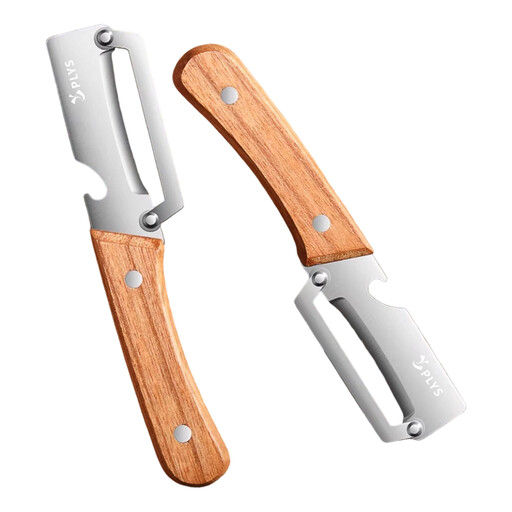
Why This Fits Their Persona: Ideal for anyone looking for a functional and affordable basic setup. The set provides two peelers for different locations, such as the kitchen and a camper van, without breaking the bank.
The food-grade stainless steel blade is more resistant to rust than those in no-name products. The ergonomic solid wood handle counteracts the problem of uncomfortable grips.
Practical set of 2 for versatile use. The wooden handle offers a pleasant and warm feel.
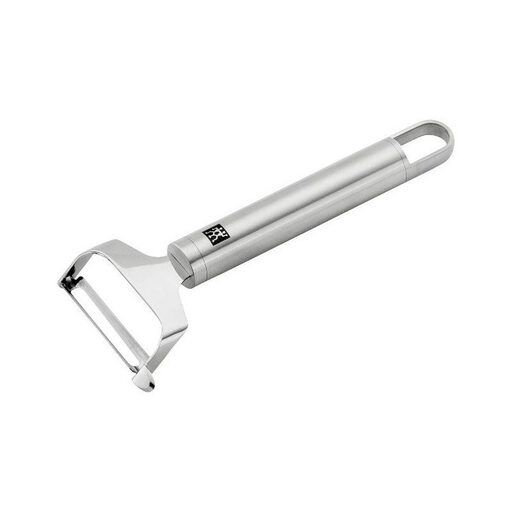
Why This Fits Their Persona: For home cooks who value tools that last a lifetime. This model combines high-quality material with a thoughtful design for maximum efficiency and durability.
Made from 18/10 stainless steel, this peeler is extremely corrosion-resistant and robust, preventing the typical problems of rust and rapid wear. The ergonomic design ensures comfortable use.
High-quality material craftsmanship for maximum durability. The pivoting blade adapts to the produce, allowing for thin, even peeling.
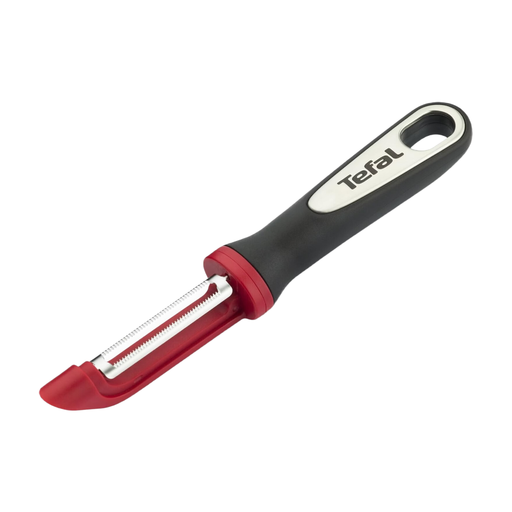
Why This Fits Their Persona: Perfect for anyone who frequently works with soft-skinned fruits and vegetables like tomatoes, peaches, or kiwis. This specialised tool solves a problem where universal peelers often fail.
Instead of a smooth blade that slips on soft skin, this peeler uses a special, dual-serrated blade. It grips the skin without crushing the fruit—a clear functional feature, not a marketing gimmick.
The dual-serrated blade allows for effortless peeling of soft fruits and vegetables. The ergonomic handle ensures precise control.
We have compiled a complete, up-to-date list of products that fully meet these strict selection criteria and rigorous quality and safety standards.
Neither material is universally "better"; it depends on the application. A ceramic peeler is extremely sharp and won't rust, but it can break if dropped. A stainless steel peeler is a robust all-rounder that is more durable but can lose its sharpness over time depending on quality and care. For daily, universal use, a high-quality stainless steel peeler is often the more practical choice.
Look for a sharp, pivoting blade (a so-called swivel peeler) that adapts to the contours of the food. The handle should be ergonomically shaped and non-slip. The material is also crucial: high-quality stainless steel prevents rust and ensures durability. A sufficiently large gap between the blade and the frame prevents clogging.
As a rule, resharpening vegetable peelers is not intended, nor is it practical. The blades are very thin and have a special grind that is nearly impossible to restore with household tools. Attempting to do so can even damage the blade. It makes more sense to invest in a model with a long-lasting blade that retains its sharpness for a long time.