Lieferung heute & morgen

Qualitätsgarantie

Willkommens-Angebote freischalten: KOSTENLOSE Lieferung | Bis zu 80 % RABATT | Kostenlose 30-Tage-JoyPlus-Testphase
App herunterladen
The pantry is a reflection of our habits and desires. It is an archive of the flavours we cultivate in our daily lives. Among the flour, lentils, and oils, one ingredient holds a special place: vinegar. It is more than just a preservative or a sour note. It is a tool of transformation, capable of elevating a dish from one-dimensional to a complex, balanced experience. The conscious selection of a vinegar is a quiet act of mindfulness that shapes the character of our cuisine.
In culinary composition, acidity acts as a structural element. It creates clarity, balances fats, and enhances subtle aromas. Without it, many dishes can seem flat or incomplete. The diversity of vinegars offers a nuanced palette to precisely control this balance. Each variety has its own identity, shaped by its origin, raw materials, and production process.
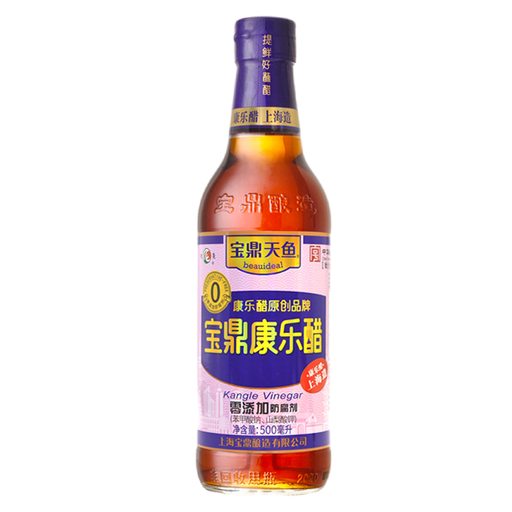
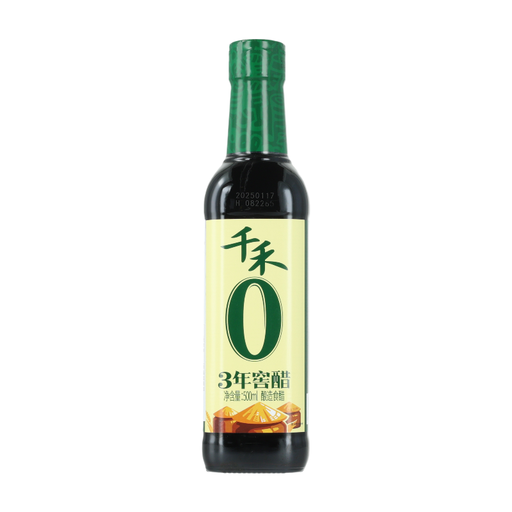
A light, clear rice vinegar from Japan or Korea, such as Chung Jung One Unpolished Rice Vinegar, brings a gentle, almost imperceptible acidity that is ideal for supporting the delicate notes of fish and vegetables. It is the foundation for a good sushi vinegar rice and lends an unobtrusive freshness to light vinaigrettes. In contrast, there is Chinese vinegar, particularly the dark, malty black vinegar. A barrel-aged vinegar like Zhengshun Zhenjiang Aged Vinegar develops a deep, smoky complexity with a subtle sweetness. It is indispensable for authentic dumpling dipping sauces or the braised dishes of Jiangsu cuisine.
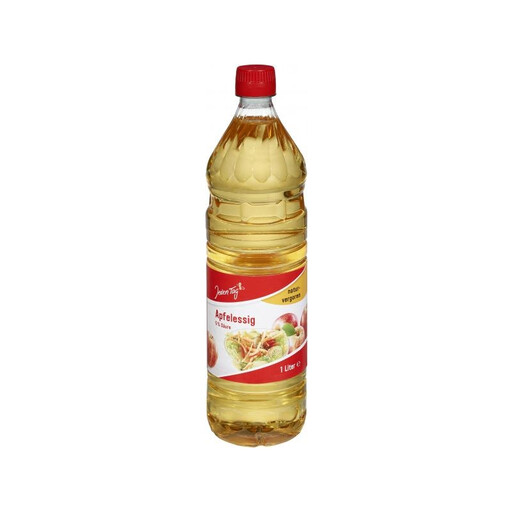
In Europe, a distinct vinegar culture has evolved. Here, apple cider vinegar is a familiar companion. A naturally cloudy organic vinegar like Alnatura Organic Apple Vinegar, made from the direct-pressed juice of German apples, retains its beneficial properties by avoiding pasteurisation. Its fruity, robust acidity is perfectly suited for a classic vinegar for salad dressing or for pickling vegetables. Balsamic vinegar opens up another dimension. An Aceto Balsamico di Modena PGI, for example from Bertolli, is created from a blend of wine vinegar and cooked grape must. Its syrupy consistency and balance of sweetness and acidity make it a versatile partner for antipasti, aged cheese, or even strawberries.
Expanding your vinegar repertoire is an invitation to explore the nuances of different culinary traditions. For enthusiasts of Japanese cuisine, a mild grain vinegar like Mizkan Grain Vinegar is a fundamental ingredient. Its restrained acidity and subtle sweetness are precisely calibrated for preparing sushi rice, without overpowering the flavour of the rice itself. In Chinese cooking, by contrast, the distinction between light and dark vinegars plays a central role. A simple, clear rice vinegar like the one from Pearl River Bridge is used for quick stir-fries and light sauces, while a complex, six-year-aged HENG SHUN Zhenjiang Aromatic Vinegar reveals its full depth in braised dishes and as a dipping sauce.
Sometimes, the solution lies in a thoughtful combination. A seasoned vinegar that already contains flavours like garlic and ginger can simplify the preparation of quick meals without sacrificing depth of flavour. Hengou Garlic & Ginger Aromatic Vinegar is an example of such a modern interpretation, making traditional flavour profiles accessible in a convenient form. For special occasions or specific Cantonese dishes, such as with seafood, a red vinegar like Pearl River Bridge Red Vinegar offers a mild, slightly sweet acidity that enhances the natural flavour of prawns or crab, rather than masking it. Thus, choosing the right vinegar is not a matter of chance, but a deliberate decision based on knowledge and an understanding of balance.
For those looking to expand their culinary library, the complete directory for Brown Vinegar offers further inspiration.