
Lieferung heute & morgen

Qualitätsgarantie

Willkommens-Angebote freischalten: KOSTENLOSE Lieferung | Bis zu 80 % RABATT | Kostenlose 30-Tage-JoyPlus-Testphase
App herunterladen
Choosing a new washing machine involves analysing technical specifications and functional features. Key parameters include the energy efficiency class, capacity, spin performance, and specific programmes that meet a household's individual needs. This guide focuses on the objective criteria relevant for making an informed purchasing decision in 2026.
Technology in home appliances is constantly advancing. Modern washing machines offer a combination of efficiency, convenience, and specialised laundry care. The following criteria are essential for comparing different models.
Since March 2021, the new EU energy label has used a scale from A (highest efficiency) to G (lowest efficiency). A washing machine with energy efficiency class A is distinguished by its low electricity and water consumption. Consumption is specified in kilowatt-hours (kWh) per 100 wash cycles and in litres per cycle (in the Eco programme). These values allow for a direct comparison of the operating costs of different models.
The nominal capacity, specified in kilograms (kg), indicates the maximum load for dry cotton laundry. Choosing the right size depends on the size of your household:
The maximum spin speed, measured in revolutions per minute (rpm), determines the residual moisture in the laundry. A speed of 1400 rpm is a good standard, significantly reducing drying time in a tumble dryer or on a line.
A quiet washing machine is particularly beneficial in open-plan living spaces or for overnight operation. The noise emission is indicated in decibels (dB) for the spin cycle and is classified from A to D on the energy label. Models in noise emission class A are the quietest appliances on the market.
Modern appliances increasingly offer convenience features that simplify daily laundry routines:
The following models have been selected based on their technical specifications and range of features.
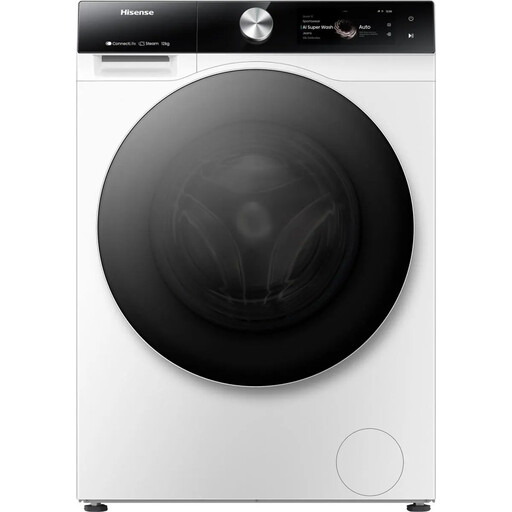
Why we recommend this product The Hisense model combines a very large 12 kg capacity with advanced convenience features. The auto-dosing and steam cleaning functions address key needs of modern households: efficiency and hygiene. With an A energy efficiency class and an A noise emission class (70 dB during spin), it meets high standards.
Pros
Who it's for This model is designed for large households and families who need to manage high laundry volumes and value automated processes and smart operation.
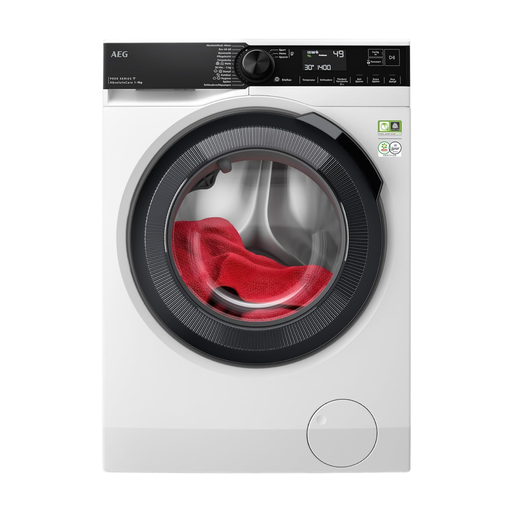
Why we recommend this product The AEG LR9W75490 is a front-loader washing machine with a focus on gentle laundry care. Its SoftWater technology softens water to protect colours and fibres. The ?koMix system pre-dissolves detergent and fabric softener, enabling thorough cleaning even at low temperatures. With a 9 kg capacity and an A energy efficiency class, it is designed for medium to large households.
Pros
Who it's for This appliance is aimed at households in hard water areas and users who place a high value on protecting delicate textiles and vibrant colours.
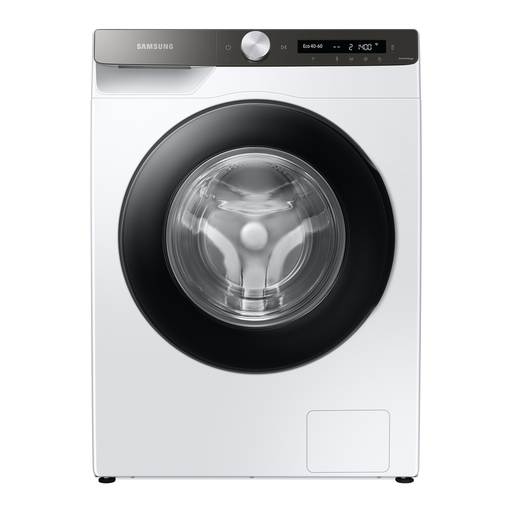
Why we recommend this product This Samsung washing machine with an 8 kg capacity integrates intelligent technologies to simplify daily laundry. The AI control learns the user's habits and suggests suitable cycles. Combined with auto-dosing and Ecobubble technology, which cleans effectively even at low temperatures, it offers a high degree of convenience and efficiency.
Pros
Who it's for Ideal for tech-savvy users and households that appreciate maximum automation, smart app control, and energy-efficient wash programmes for a normal laundry volume.
If the models featured here don't exactly match your requirements, the market offers a wide variety of other configurations. You can find a broader selection of appliances with different capacities and feature sets in our automatic washing machine category.
1. What does energy efficiency class A mean for a washing machine? Energy efficiency class A on the new EU energy label (since 2021) identifies the most economical appliances on the market. A washing machine in this class consumes significantly less electricity and water per 100 wash cycles compared to models in lower classes (B to G), resulting in lower operating costs.
2. Is a washing machine with auto-dosing worth it? Auto-dosing can be worthwhile as it optimises the consumption of detergent and fabric softener. Sensors determine the required amount based on the laundry load, which prevents overdosing (bad for textiles and the environment) and underdosing (poor washing results). In the long run, this can lead to cost savings on detergent.
3. How important is a spin speed of 1400 rpm? A spin speed of 1400 rpm is an excellent standard for modern washing machines. It ensures that a large amount of water is removed from the laundry. This results in lower residual moisture, which significantly shortens the drying time on a clothesline or in a tumble dryer, thereby saving time and, if using a dryer, energy.