
Lieferung heute & morgen

Qualitätsgarantie

Willkommens-Angebote freischalten: KOSTENLOSE Lieferung | Bis zu 80 % RABATT | Kostenlose 30-Tage-JoyPlus-Testphase
App herunterladen
A reusable water bottle is an essential accessory for daily life, sports, or the office. But the market is crowded, and many products fail to live up to their promises. A leaky bottle in your bag or an unpleasant aftertaste in your water are common frustrations. Before you make a decision, it's crucial to understand the typical pitfalls to find a durable and functional solution.
Many purchasing decisions are driven by marketing claims that prove to be inaccurate in practice. Pay special attention to these three points:
To avoid a bad purchase, you should focus on objective and verifiable features. The following three aspects are crucial for the functionality and durability of your water bottle.
The material directly impacts weight, durability, taste, and insulation properties.
The lid mechanism is the most critical component for a leak-proof water bottle.
An insulated bottle with double-wall vacuum insulation keeps drinks hot or cold for hours. Whether you need this feature depends on how you plan to use it. For the commute to the office, a simple, single-wall bottle is often sufficient. For long days, hikes, or enjoying hot beverages in winter, an insulated bottle is a worthwhile investment.
Instead of naming a single "perfect" model, we have selected products that meet specific needs and avoid the pitfalls mentioned.
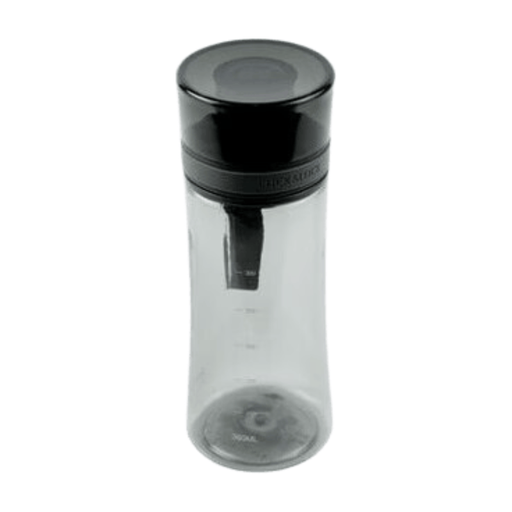
Why It's a Match: Ideal for the commute to work or the office. Its compact size fits into standard cup holders and side pockets. The lightweight Tritan material and one-handed drinking lid offer maximum on-the-go convenience.
Avoids the "leak-proof" trap with a secure locking mechanism and a high-quality silicone gasket specifically designed for transport in bags.
Practical one-handed drinking lid and a compact, cup-holder-friendly shape.
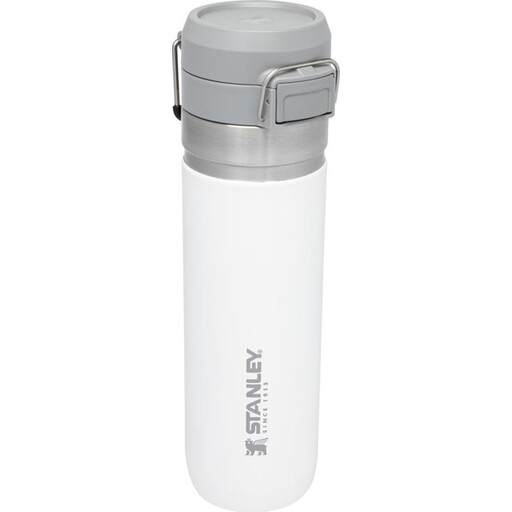
Why It's a Match: This rugged Stanley water bottle is designed for demanding conditions. The double-wall vacuum insulation reliably keeps drinks cool, while the leak-proof flip-top lid seals securely even during movement. The integrated carrying handle makes it easy to transport.
Sidesteps the trap of unrealistic insulation claims with proven performance. According to the manufacturer, the bottle keeps drinks cold for up to 12 hours—a realistic figure for all-day use.
Robust stainless steel construction combined with reliable insulation performance and a secure flip-top lid.
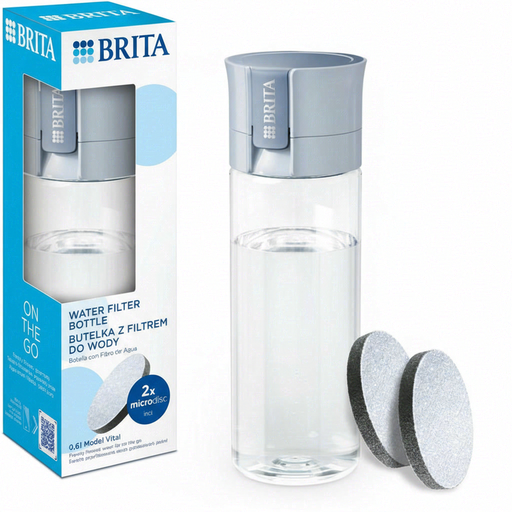
Why It's a Match: For anyone who prioritises the quality of their drinking water. This water filter bottle reduces chlorine and other taste-impairing substances directly as you drink. It's lightweight, BPA-free, and a sustainable alternative to single-use bottles.
Goes beyond the material debate to address water quality itself. Instead of just relying on a "BPA-free" label, it offers active filtration for better taste and reduced impurities.
Integrated MicroDisc filter technology that improves the taste of water while preserving essential minerals.
We've compiled a complete, up-to-date list of products that fully meet these strict selection criteria and safety regulations.
1. How do you properly clean a stainless steel water bottle to avoid odours? Most stainless steel bottles are dishwasher-safe, but hand washing is often gentler on the exterior coating and the seals. Use warm water, mild dish soap, and a bottle brush. To remove stubborn odours, you can fill the bottle with a mixture of water and a spoonful of baking soda or vinegar, let it sit overnight, and then rinse it thoroughly the next day.
2. Are water bottles with plastic lids truly safe? Yes, provided the manufacturer states that the materials are BPA-free and food-safe. Reputable brands use high-quality plastics like polypropylene (PP) or Tritan for their lids, which are considered safe for food contact. Look for the relevant certifications from the manufacturer.
3. Can an insulated bottle handle carbonated drinks? This depends on the manufacturer and the lid design. Some bottles, especially those with a simple screw-top lid, are suitable for carbonated drinks. For models with complex flip-top or straw mechanisms, it is often discouraged, as the pressure build-up can cause leaks or damage the mechanism. Always check the manufacturer's warnings, which will explicitly address this. The Thermos TC Bottle, for example, is rated as suitable for carbonated drinks by the manufacturer.