
Lieferung heute & morgen

Qualitätsgarantie

Willkommens-Angebote freischalten: KOSTENLOSE Lieferung | Bis zu 80 % RABATT | Kostenlose 30-Tage-JoyPlus-Testphase
App herunterladen
A reusable bottle is a practical and eco-conscious choice for daily hydration. However, the market is vast, and not every model lives up to its promises. Often, small but critical flaws lead to frustration: a leaky lid ruins the contents of your bag, hard-to-reach corners become breeding grounds for germs, or the material imparts an unpleasant taste to the water after a short time.
This guide will help you avoid these pitfalls. We focus on the essential features that define a great water bottle, so you can make an informed decision for your daily routine, sports, or family.
Before you choose a model, you should examine three key aspects. These largely determine the durability, safety, and practicality of your new bottle.
The BPA-free water bottle label is a widespread standard today. Bisphenol A (BPA) is a chemical compound found in some plastics, and its use in food-contact products is regulated. While the absence of BPA is an important baseline, there are further quality differences among materials.
Pay attention to the manufacturer's exact material specifications to ensure the bottle meets your requirements for durability and health safety.
A leaky lid is the most common annoyance. A leak-proof water bottle depends on the design of the cap and the quality of the seal.
The ideal size for your on-the-go water bottle depends on its intended use.
Also, check if the bottle's shape fits into standard holders (e.g., in a car or on a bike) and whether it is easy to carry, thanks to an ergonomic design or a carrying strap.
Here are some product recommendations tailored to specific use cases that meet the criteria mentioned above.
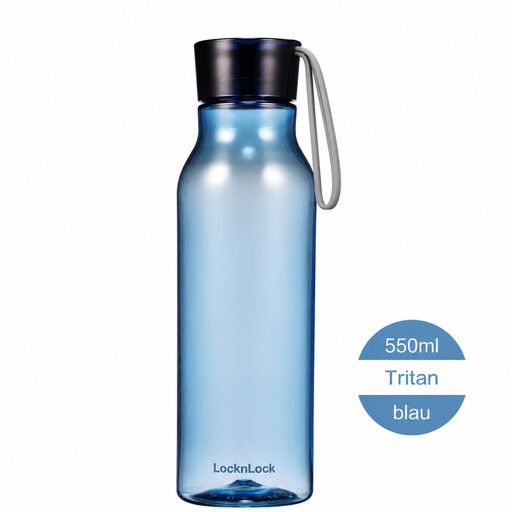
Why it's a great fit: At 550 ml, this bottle is the ideal size for the daily commute or for your desk. It's lightweight, fits in most backpack side pockets, and the carrying strap makes it easy to transport.
The simple screw-on lid with a correctly inserted silicone seal ensures reliably leak-proof transport. The Tritan material prevents any unwanted plastic taste from leaching into the water.
Made from robust, taste-neutral, and BPA-free Tritan copolyester. A simple and reliable design for everyday use.
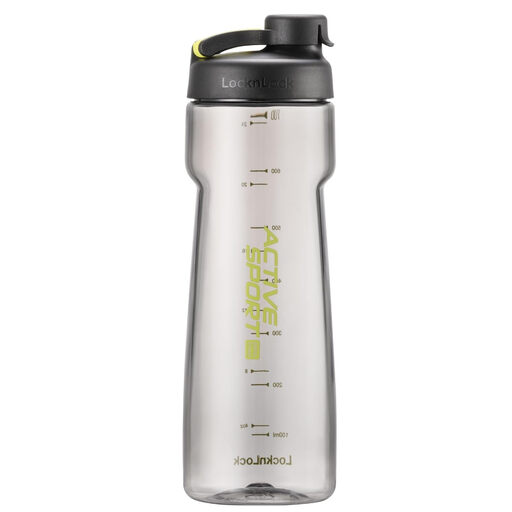
Why it's a great fit: With a 730 ml capacity, this bottle provides enough fluid for the gym or longer training sessions. The ergonomic grip and flip-top lid allow for quick and easy handling while on the move.
The flip-top lid features a safety lock that prevents it from accidentally opening in your gym bag. The robust Tritan material is resistant to the impacts that can occur during sports.
Large capacity and a secure, one-handed-operation lid. Ideal for use during sports, hiking, or at the gym.
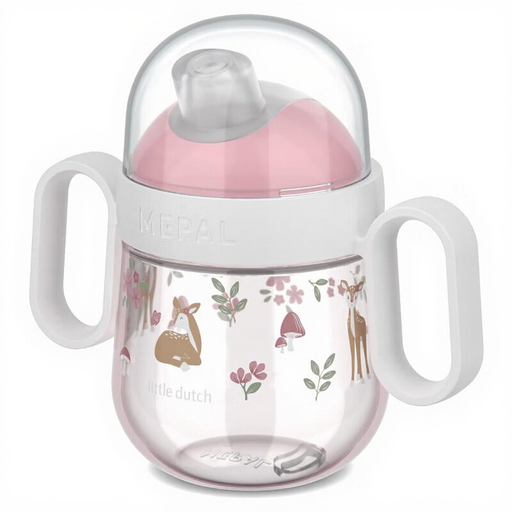
Why it's a great fit: This toddler training cup was specifically designed for young children. The ergonomic handles provide a secure grip for little hands, while the design supports the transition to independent drinking.
The leak-proof valve system actively prevents spills, even if the cup is tipped over. Its impact-resistant construction withstands the inevitable drops and tumbles of toddlerhood.
Leak-proof, impact-resistant, and made from BPA-free plastic. It meets the safety and functionality requirements for toddler products.
Besides water bottles, other on-the-go containers can also be useful. A lunch box with separate compartments like the LocknLock 3-in-1 Lunch Box or a special cup for smoothies and yoghurt like the Tefal Ice Smoothie/Yogurt/Oat Cup are practical additions for meals on the go.
We've compiled a complete, up-to-date list of products that meet these strict selection criteria and current safety regulations.
To maintain the clarity and longevity of Tritan material, hand washing with a mild detergent and a soft bottle brush is recommended. Abrasive cleaners or hard sponges can scratch the surface. Allow the bottle and lid to air dry completely after cleaning.
No, most standard water bottles are not designed to handle the pressure created by carbonated beverages. This can lead to leaks or even damage to the bottle. Look specifically for models where the manufacturer explicitly states their suitability for carbonated drinks, such as the Mepal - Ellipse Water Bottle.
The temperature range indicates the liquid temperatures for which the bottle's material is safely designed. Filling it with liquids hotter than the specified maximum (e.g., boiling water) can lead to material deformation, leaks, or burns. Most Tritan bottles are designed for cold to lukewarm beverages.