
Lieferung heute & morgen

Qualitätsgarantie

Willkommens-Angebote freischalten: KOSTENLOSE Lieferung | Bis zu 80 % RABATT | Kostenlose 30-Tage-JoyPlus-Testphase
App herunterladen
By a Joybuy Product Recommendation Officer
The world of art supplies can be overwhelming. When it comes to pens, in particular, there is a vast array of options designed for different purposes—from calligraphy to detailed illustration. If you're looking for a versatile tool that combines the precision of a pen with the expressiveness of watercolours, watercolor markers are an excellent choice.
This article serves as your guide. It introduces various types of artist markers and explains the key features to consider when making your selection. Our goal is to provide you with the information you need to find the right drawing pen set for your creative endeavours.
To make an informed decision, it's important to understand a few technical aspects. The following points will help you better grasp the features of brush pens and similar markers.
Many modern artist markers are designed as dual-tip markers. This means each pen has two different nibs, which significantly expands their versatility.
A set with dual tips offers a wide range of expressive possibilities in a single tool.
The defining feature of watercolor markers is their ink. They are water-based pens whose colour can be reactivated and blended with water even after drying. This allows for the soft colour transitions and glazing techniques characteristic of traditional watercolour painting.
In contrast, alcohol-based markers use permanent, waterproof ink. While they are great for creating even, streak-free colour fields, they are not intended for watercolour effects. For authentic watercolour techniques, only water-based pens are suitable.
For artworks intended to retain their colour vibrancy over time, two factors are crucial:
Here is a selection of products that cater to different needs and applications.
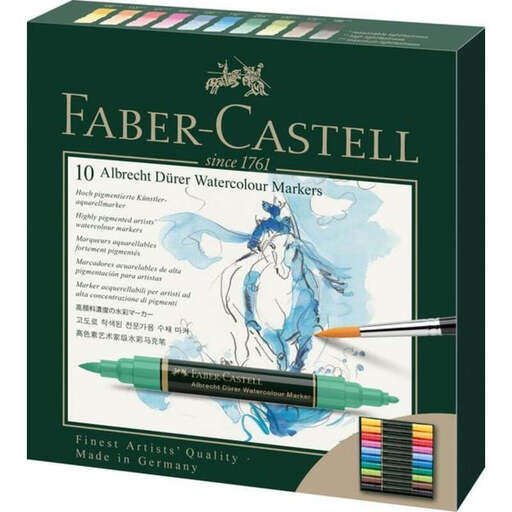
Why It Stands Out: This set from Faber-Castell is positioned as a high-end drawing tool for professional artistic standards. The markers combine a flexible brush tip for painterly work with a sturdy fibre tip for outlines. The highly pigmented, water-based ink boasts high lightfastness and produces pronounced watercolour effects on watercolour paper. According to the manufacturer, Faber-Castell is the first company in the stationery industry to produce completely carbon-neutral products.
Pros:
Who It's For: This set is aimed at artists, illustrators, and ambitious hobbyists who value high colour quality, lightfastness, and versatile application. It's also a great choice for creating on the go.
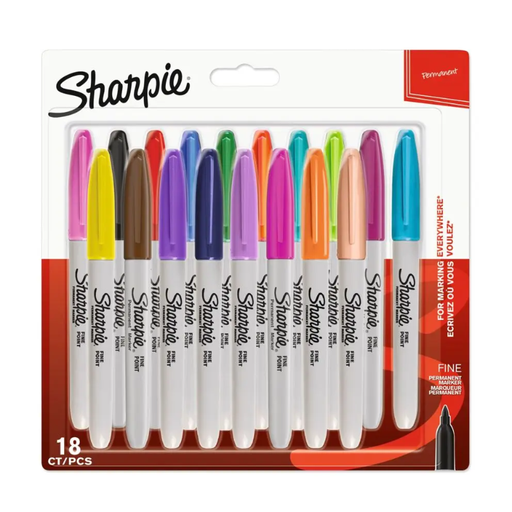
Why It Stands Out: Sharpie markers are renowned for their permanent, waterproof ink that adheres to a variety of surfaces like paper, plastic, and metal. While not a watercolor marker set, it's a useful addition for mixed-media projects. The fine tip allows you to draw permanent, crisp lines that won't smudge when painted over with water-based colours.
Pros:
Who It's For: This set is ideal for illustrators, crafters, and designers who need permanent outlines or work on unconventional surfaces. It's a valuable tool for projects that combine waterproof and water-soluble media.
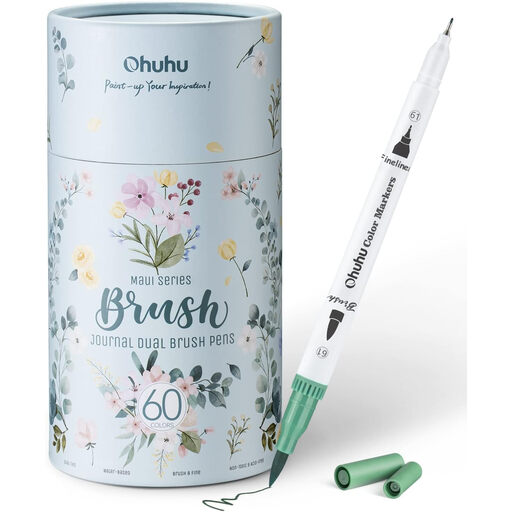
Why It Stands Out: With 60 colours, the Ohuhu Maui set offers a very broad palette for beginners and hobbyists. Each pen is a dual-tip marker featuring a flexible brush tip and a 0.4 mm fineliner pen tip. The water-based ink is designed for colouring, drawing, and calligraphy practice. Practical extras like a DIY colour chart and replacement nibs are included.
Pros:
Who It's For: This brush pen set is a great choice for beginners, students, and hobby artists looking for a comprehensive and versatile set for adult colouring books, journaling, sketching, and initial hand-lettering attempts.
The selection presented here already covers a broad spectrum. However, if you are looking for more specific pens or simply want to compare different brands and sets, you can find more products in our category.
Discover a wider selection of drawing and colouring pens in our Fine Sketch Markers collection.
1. What is the difference between watercolor markers and regular felt-tip pens? The main difference is the ink. Watercolor markers use a water-based ink that can be reactivated and blended with water even after it has dried. This allows you to create effects reminiscent of traditional watercolour painting. The ink in conventional felt-tip pens is typically no longer water-soluble after drying and cannot be blended.
2. Can you use watercolor markers on any paper? For optimal results, especially when using water for blending, watercolour paper is recommended. Its weight and surface texture prevent the paper from buckling and the colour from bleeding through. For simple drawings or lettering without adding water, thicker drawing paper (120 gsm or higher) may suffice.
3. How should you store brush pens and dual-tip markers correctly? It is generally recommended to store dual-tip markers horizontally. This ensures that the ink flows evenly to both tips and prevents one side from drying out. Also, make sure to always close the caps tightly after use to protect the nibs from drying out.