
Lieferung heute & morgen

Qualitätsgarantie

Willkommens-Angebote freischalten: KOSTENLOSE Lieferung | Bis zu 80 % RABATT | Kostenlose 30-Tage-JoyPlus-Testphase
App herunterladen
As a Joybuy Product Recommendation Officer, I see every day how easy it is to get lost in the vast sea of art supplies. Especially with watercolour pencils, exaggerated marketing claims often lead to disappointment. A purchase that should spark creativity frequently ends in frustration over unusable materials. So, before you invest in a new coloured pencil set, let's shed some light on the most common pitfalls that can hinder your artistic process.
Many users invest in pencils that turn out to be a bad purchase after a short time. Pay attention to these three critical points to avoid disappointment:
To avoid the problems mentioned above, you should check three technical properties before buying. These define the quality and usability of water-soluble coloured pencils.
The quality of a watercolour pencil is directly related to the concentration and nature of its pigments.
A soft lead for smooth application and high break-resistance don't have to be mutually exclusive.
For hobby artists whose work stays in a sketchbook, lightfastness is less critical. However, for professional artists and ambitious amateurs, it is essential.
Based on these objective criteria, we have compiled a selection of products suitable for different user profiles and their specific requirements.
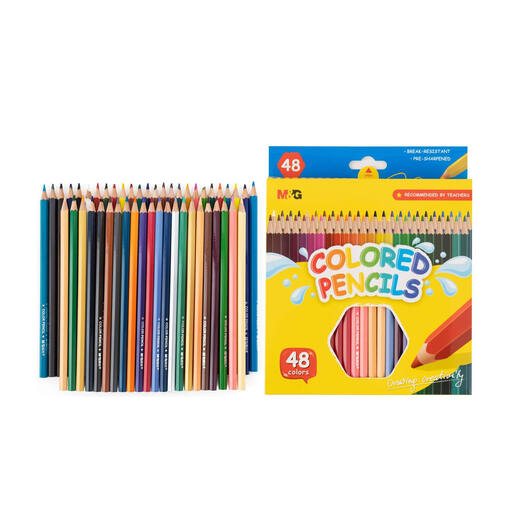
Why This Fits Their Persona: Ideal for anyone wanting to get into the world of colouring and drawing without a large initial investment. The wide colour palette of 48 pencils offers plenty of room for experiments and initial projects.
This set provides a soft, smooth colour laydown that avoids the grainy residue found in the cheapest pencils. The leads are designed for normal pressure and are more resilient than many no-name products.
A large selection of 48 colours for a low entry price. The hexagonal barrel prevents rolling and ensures stable handling.
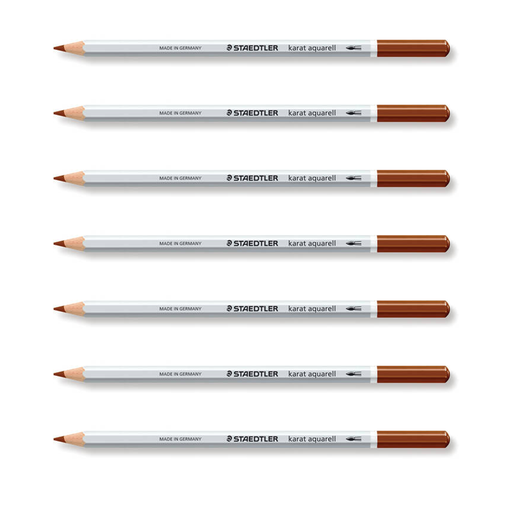
Why This Fits Their Persona: For artists who make no compromises on quality. These pencils offer professional-grade pigmentation and water-solubility for demanding projects, from sketches to finished watercolour paintings.
The high-quality, soft lead dissolves completely in water, preventing grainy results. Its high break-resistance minimises material waste and frustration during sharpening.
Excellent pigment quality for intense colours and high lightfastness. According to the manufacturer, the wood comes from FSC-certified, sustainably managed forests.
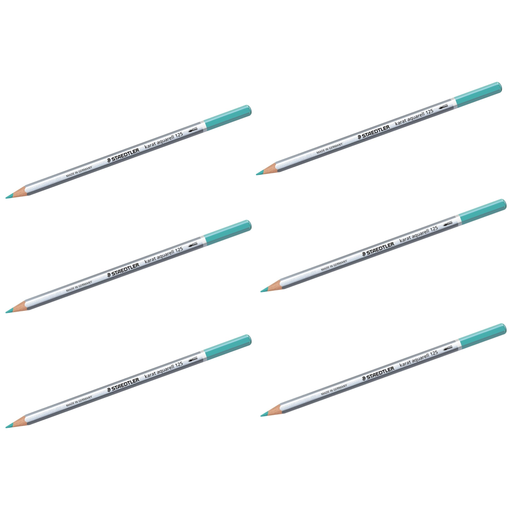
Why This Fits Their Persona: Perfect for illustrators and artists who use a high volume of specific colours, such as for botanical drawings or landscapes. Allows for targeted restocking without having to purchase an entire set.
Fulfills the need for specific artist-grade colours. This avoids having to compromise with lower-quality individual colours that could diminish the quality of the entire piece.
Targeted purchasing of individual colours in professional quality. The "French Green" shade is specifically designed for botanical illustrations and landscapes.
We have compiled a complete, up-to-date list of products that fully meet these strict selection criteria and German safety regulations.
1. What paper is suitable for watercolour pencils? For optimal results, you should use special watercolour paper with a weight of at least 200 g/m?, or even better, 300 g/m?. Standard printer paper or thin drawing paper will warp and can pill when it comes into contact with water, leading to an uneven colour result. The rough surface of watercolour paper (the "tooth") also absorbs pigments better.
2. How do you sharpen watercolour pencils correctly without the lead breaking? Since the leads of watercolour pencils are softer, the right sharpening technique is crucial. Use a high-quality sharpener with a sharp blade, preferably made of metal. Turn the pencil slowly and with even, light pressure. Alternatively, for very fine points or special effects, you can use a sanding block or a sharp craft knife.
3. Can you also use watercolour pencils dry? Yes, absolutely. High-quality watercolour pencils also function as premium coloured pencils when used dry. They are excellent for fine lines, hatching, and layering colours. However, they show their true strength when combining dry and wet techniques, which gives you enormous creative flexibility.