
Lieferung heute & morgen

Qualitätsgarantie

Willkommens-Angebote freischalten: KOSTENLOSE Lieferung | Bis zu 80 % RABATT | Kostenlose 30-Tage-JoyPlus-Testphase
App herunterladen
As a car owner without a garage or carport, you know the challenge: your vehicle is exposed to the elements daily. Rain, intense UV radiation, bird droppings, and tree sap can cause lasting damage to the paint and interior. A high-quality, waterproof car cover is an effective solution for preserving your vehicle's value. However, the market is confusing, and many products don't live up to their promises. This guide will help you navigate the common pitfalls and make an informed decision.
Many buyers are swayed by marketing promises that disappoint in practice. Pay close attention to these three points to avoid a bad purchase:
To reliably protect your vehicle, you should check three core technical features before buying. These define the quality and longevity of a full car cover.
The heart of any good car cover is its material. Look for multi-layered fabrics that serve different functions.
A universal fit can be sufficient for many common vehicle models, as long as the dimensions are correct. It's important that the portable car cover fits snugly without being too tight.
Some features significantly enhance everyday usability and safety:
Based on the objective criteria above, we have identified products that offer reliable protection. The following recommendation is for users seeking a functional and durable solution for daily use.
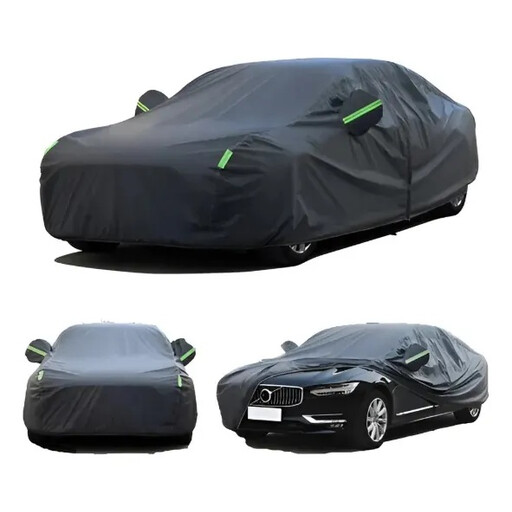
Why it's a match: This cover is designed for car owners looking for a reliable all-around solution for standard saloons or compact SUVs. It focuses on the core functions—protection from rain, sun, and dust—and its universal fit offers hassle-free handling for daily outdoor protection.
The 190T polyester fabric with a silver coating provides proven protection against water and UV radiation, thus avoiding the trap of merely "water-resistant" materials. The soft inner side prevents paint scratches that can be caused by poorly finished covers.
Offers triple protection (rain, sun, dust) thanks to the coated fabric. Integrated reflective strips increase visibility and safety at night.
We have compiled a complete, up-to-date list of products that fully meet these strict selection criteria and UK regulations.
1. How long does an outdoor car cover last? The lifespan of a car cover depends heavily on the material quality, the intensity of sun exposure, and general weather conditions. A high-quality protective car cover made of coated polyester can last for several years with regular use. Proper storage in the supplied bag when not in use will further extend its durability.
2. Can a full car cover damage my car's paint? Yes, this is possible with the wrong choice or application. A full car cover without a soft, paint-friendly inner lining can cause scratches. The same applies if the cover is placed on a dirty vehicle or if a poor fit leads to friction from wind. Non-breathable models can also trap moisture and promote paint damage or corrosion.
3. How do I find the right size for my car cover? Measure the exact exterior dimensions of your vehicle (length, width, height) or find them in the vehicle's manual. Carefully compare these measurements with the dimensions provided by the cover's manufacturer. Look for information on compatibility with specific body styles (e.g., saloon, SUV, estate) and consider any attachments like roof racks or spoilers.