
Lieferung heute & morgen

Qualitätsgarantie

Willkommens-Angebote freischalten: KOSTENLOSE Lieferung | Bis zu 80 % RABATT | Kostenlose 30-Tage-JoyPlus-Testphase
App herunterladen
Weeds in garden beds, between paving stones, or on the patio are a recurring nuisance for many garden owners. Manual removal is often tedious and time-consuming. For many, chemical agents are not an option, whether due to environmental concerns or legal regulations on sealed surfaces. The right mechanical garden tool for weeds offers an effective alternative.
This article introduces various mechanical weeders and explains their specific areas of application. The goal is to provide you with a factual basis to find the perfect tool for your individual needs in the garden, yard, or on the patio.
The choice of the right tool depends on several factors. The following points will help you make an informed decision.
Your working posture is a crucial criterion. For smaller, precise jobs in raised beds or flower boxes, short-handled tools are suitable. However, if you need to work on larger areas or want to protect your back and knees, weeding without bending over is the better choice. For this, tools with a long handle or a telescopic weeder are ideal. These can be adjusted to your individual height and allow for an upright, ergonomic working posture.
Not every weeder is suitable for every task.
The durability of a garden tool is largely determined by the materials used. Blades, tines, or claws made of carbon steel or stainless steel are robust, corrosion-resistant, and stay sharp for a long time. For tools with a handle, pay attention to a stable connection between the head and the shaft, as well as high-quality materials like aluminium or sturdy wood for the handle.
Based on the criteria mentioned, we have compiled a selection of tools for various applications.
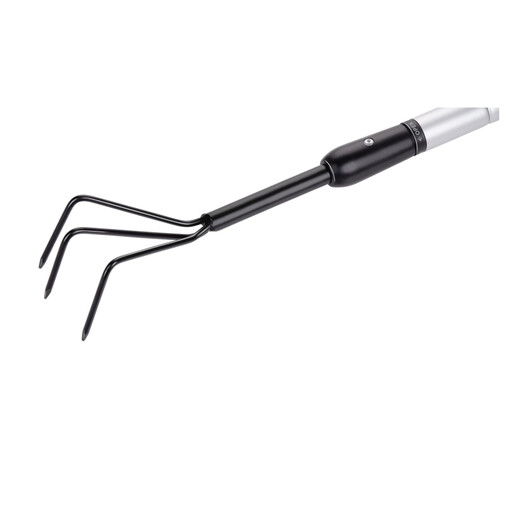
Why it stands out: This tool combines soil aeration with weed removal in garden beds and is versatile thanks to its adjustable handle.
Advantages:
Who is it for? Ideal for hobby gardeners who want to maintain their garden beds, loosen the soil, and remove surface weeds at the same time.
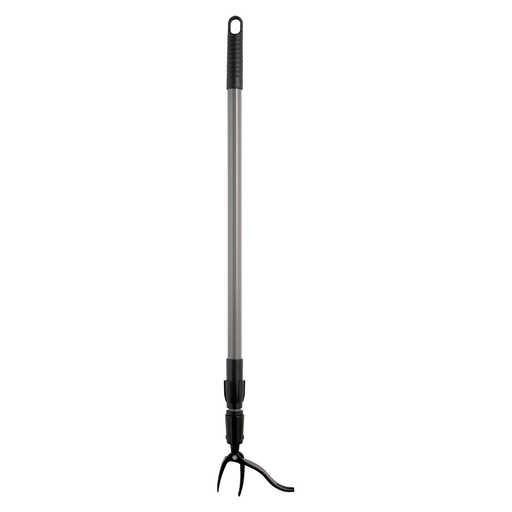
Why it stands out: This telescopic weeder is specifically designed for the back-friendly removal of deep-rooted weeds like dandelions.
Advantages:
Who is it for? Perfect for home and garden owners who want to effectively remove deep-rooted weeds from lawns or beds without bending over.
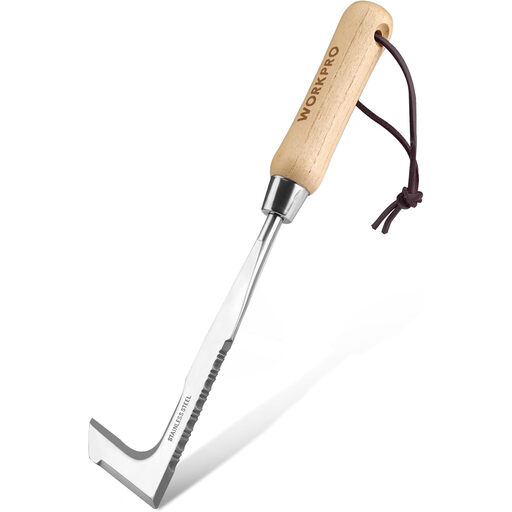
Why it stands out: A specialised crevice cleaner and moss remover with a thoughtfully designed dual-function head for precise cleaning tasks.
Advantages:
Who is it for? For anyone who needs to specifically remove weeds and moss from the joints of walkways, patios, or driveways and is looking for a precise, handy tool.
The products featured cover common use cases. However, if you are looking for more specialised tools, different models, or additional accessories, you can find a wider selection for garden care in our comprehensive Garden Tools category.
A taproot weeder is designed to penetrate deep into loose soil (e.g., in a lawn or garden bed) to grip and remove the entire root of a plant. In contrast, a paving weeder has a narrow, sharp blade specifically shaped to scrape weeds and moss from the tight gaps of hard surfaces like paving stones or concrete slabs.
Mechanical removal is a very effective method when done correctly. The key is to remove the plant along with its root to prevent regrowth. Tools like a dandelion puller are designed precisely for this purpose. Regular weeding, especially after rainfall when the soil is soft, sustainably prevents the spread of weeds.
In high-quality models, telescopic shafts are made from robust yet lightweight materials like aluminium or steel. They offer good stability for their intended tasks. When buying, look for a secure and firmly locking adjustment mechanism. This ensures that the handle does not give way or unintentionally collapse during use.