
Lieferung heute & morgen

Qualitätsgarantie

Willkommens-Angebote freischalten: KOSTENLOSE Lieferung | Bis zu 80 % RABATT | Kostenlose 30-Tage-JoyPlus-Testphase
App herunterladen
Daily cleaning of hard floors can be a chore: first, you vacuum to remove dust and crumbs, then you mop to eliminate stains and stuck-on dirt. This process is often a frequent ritual, especially in households with children or pets. A wet-dry vacuum combines these two steps, allowing you to vacuum and mop your floors in a single pass.
This article serves as a guide. We will introduce various features relevant to selecting a device and present a selection of models with different specialisations. Our goal is to provide you with an objective basis for your purchasing decision.
The market is filled with a wide range of devices. To find the right model, it's helpful to understand a few technical features and match them with your own requirements.
A cordless wet-dry vacuum offers maximum freedom of movement without the restriction of a cable. Battery life is a crucial factor here, as it determines the size of the area you can clean without interruption. Common models offer runtimes between 25 and 60 minutes. For larger apartments or houses, a longer runtime is advantageous to avoid having to take a charging break mid-clean. Also, pay attention to the battery's charging time, which can take several hours depending on the model.
Wet-dry vacuums use different systems for floor cleaning. Many models work with a rotating brush roller that scrubs the floor while suctioning up dirt and water. Other devices use rotating mop pads. An important aspect is the ability to clean edges. Models with an edge-to-edge or side-protruding brush design can pick up dirt and dust directly along baseboards and in corners, eliminating the need for manual touch-ups.
A wet-dry vacuum with a self-cleaning function significantly enhances convenience and hygiene. After cleaning, the device is placed in its charging station, where an automatic cleaning cycle starts at the push of a button. This process flushes the brush roller and internal pipes with fresh water, directing the dirty water into the designated tank. This prevents the build-up of odours and bacteria and ensures the device is clean and ready for its next use. A two-tank system, which consistently separates fresh and dirty water, is an essential feature for this and is now standard on most devices.
Here you will find a selection of devices that cater to different requirements and use cases. The descriptions are based on product data provided by the manufacturer.
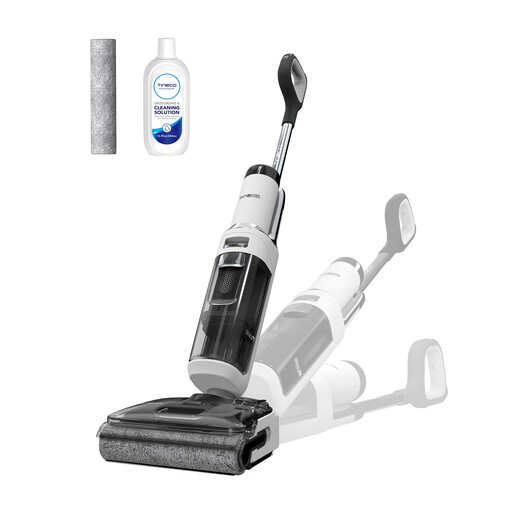
What sets this model apart: The key feature of the Tineco Floor One Stretch S6 is its 180° lay-flat design. With a height of just 13 cm when lying flat, the device is specifically designed to reach difficult areas under furniture like sofas, beds, or cabinets.
Pros:
Who is it for? This model is an excellent choice for households with a lot of low furniture, where thorough cleaning underneath has been difficult. The combination of flexibility and advanced self-cleaning addresses users who prioritise hygiene and a comprehensive, gap-free clean.
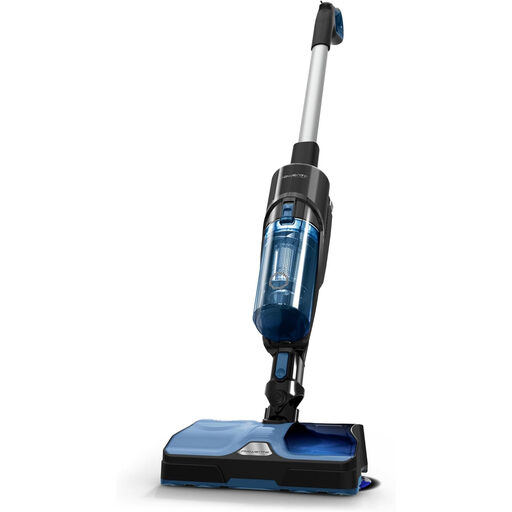
What sets this model apart: The Rowenta X-Combo stands out for its extremely low weight and long battery life. It combines vacuuming with two rapidly rotating mop pads instead of a brush roller.
Pros:
Who is it for? Ideal for users who want to clean large areas without interruption and prefer an exceptionally lightweight, easy-to-manoeuvre device. It is well-suited for daily maintenance cleaning on sealed hard floors.
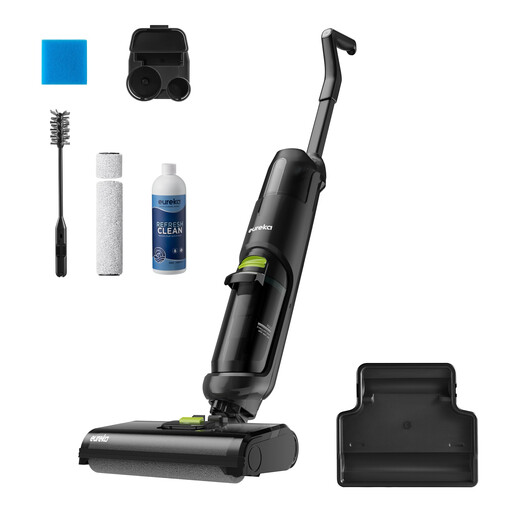
What sets this model apart: The Eureka NEW400 features a self-propulsion function that assists the forward movement of the device, making cleaning less strenuous. It is designed as a straightforward wet-dry vacuum for everyday messes.
Pros:
Who is it for? This model is aimed at users looking for a simple and effort-saving solution for the daily removal of dry and wet dirt. Its easy handling makes it particularly attractive for pet owners and families who need to react quickly to spills and messes.
Haven't found the right model for you yet, or would you like to get a broader overview? There are many other devices with different specifications that might be a better fit for your individual needs.
Discover more Hard Floor Cleaners in our range and find the device that perfectly matches your requirements.
For households with mostly hard floors, a 2-in-1 vacuum and mop can often replace the classic vacuum cleaner for daily floor cleaning. It picks up loose debris and mops simultaneously. However, for high-pile carpets, a specialised vacuum cleaner with stronger suction power and a suitable carpet brush is still necessary, as wet-dry vacuums are primarily designed as hard floor cleaners.
After use, the wet-dry vacuum is placed in its base station. By activating the self-cleaning function, the device pumps fresh water from the clean tank through the hoses and over the brush roller. The rotation of the brush dislodges the dirt, which is then suctioned along with the water into the dirty water tank. This process typically takes one to two minutes and ensures the device is hygienically clean for the next use.
Yes, most wet-dry vacuums are suitable for sealed hard floors, including parquet and laminate. The devices are designed to dispense only a controlled amount of water to clean the floor without oversaturating it. Nevertheless, it is advisable to check the floor manufacturer's care instructions before the first use. The use of a wet-dry vacuum should be avoided on unsealed or oiled wood floors, as penetrating moisture could damage the material.