
Lieferung heute & morgen

Qualitätsgarantie

Willkommens-Angebote freischalten: KOSTENLOSE Lieferung | Bis zu 80 % RABATT | Kostenlose 30-Tage-JoyPlus-Testphase
App herunterladen
As a Joybuy Product Recommendation Officer, I analyse the nutritional supplement market to provide you with objective and practical guidance. The goal is to help you make informed decisions based on facts, not marketing hype. This guide focuses on whey protein and its role in muscle growth.
The protein powder market is overwhelming. Many athletes and fitness enthusiasts looking to buy protein powder face a wall of jargon and marketing claims. Before you make a decision, you should be aware of the most common pitfalls that can lead to an unsuitable product choice.
To avoid these pitfalls, focus on three objective core parameters. These will help you evaluate the quality and suitability of a protein powder for your goals.
The foundation of any good whey protein is its source. The three most common forms are:
A high content of branched-chain amino acids (BCAAs), such as leucine, isoleucine, and valine, is an indicator of a high-quality amino acid profile, which is crucial for muscle protein synthesis.
Take a close look at the nutritional information per serving. For lean muscle growth, a product with the lowest possible sugar and fat content is ideal. In contrast, protein for athletes who are specifically trying to gain mass ("hardgainers") can have a higher carbohydrate content to meet their caloric needs. The composition must match your individual training goals and nutrition plan.
Good solubility is crucial for practical use. Ingredients like lecithin (often from soy or sunflower) are used as emulsifiers to improve mixability in liquids and prevent clumping. A short and understandable ingredient list is often a sign of a pure product without unnecessary fillers.
Based on the criteria above, we have compiled a selection of products suitable for different user profiles and goals.
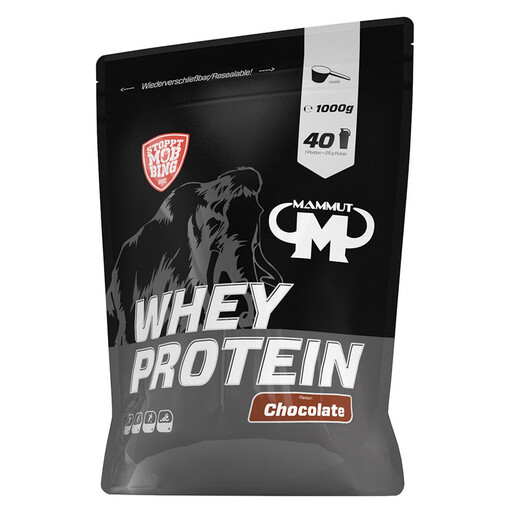
Why This Fits Their Persona: Ideal for athletes looking for a solid and reliable whey protein concentrate without a large budget. It provides a high amount of protein per serving and effectively supports the fundamental goals of muscle growth and recovery.
The ingredient list is transparent, naming whey protein concentrate (89%) as the main component. There are no hidden blends. Solubility is good thanks to the use of lecithin, which avoids the "clumping frustration."
High protein content (27g per serving with milk) at a very good price-to-performance ratio. Made in Germany.
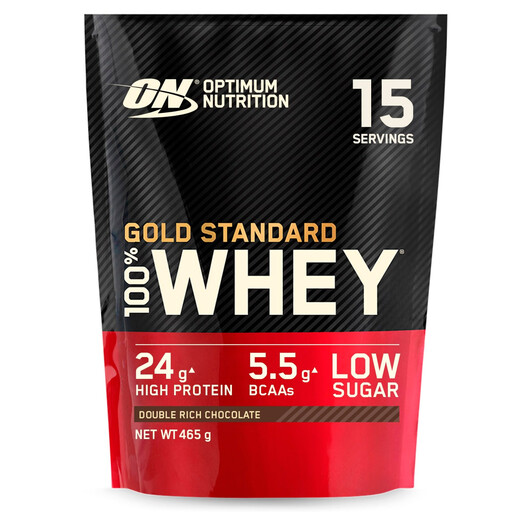
Why This Fits Their Persona: Suitable for ambitious athletes who value a high degree of purity and an optimised nutritional profile. The focus on whey protein isolate makes it ideal for a low-fat diet and rapid muscle recovery.
This product avoids the "sugar trap" with its very low sugar and fat content. The protein sources are clearly declared, with high-quality whey protein isolate listed first.
The main ingredient is fast-absorbing whey protein isolate. Naturally contains a high proportion of BCAAs and glutamine.
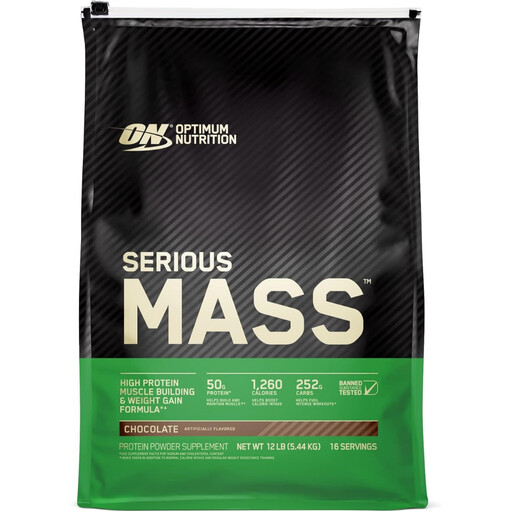
Why This Fits Their Persona: Specifically designed for individuals who struggle to gain weight and muscle mass. This product delivers an extremely high density of calories, protein, and carbohydrates to achieve a calorie surplus.
This is not a conventional whey protein, but a weight gainer. The high carbohydrate content is not a hidden filler here but the main purpose of the product. It uses complex carbohydrates (maltodextrin) instead of pure sugar.
Over 1,250 kcal and 50g of protein per serving to support mass gain. Additionally fortified with 3g of creatine monohydrate and 25 vitamins and minerals.
We have compiled a complete, up-to-date list of products that fully meet these strict selection criteria.
1. When is the right time for a post-workout protein shake?
Consuming a protein shake within 30 to 60 minutes after a workout is a common practice, as muscles are thought to be particularly receptive to nutrients for muscle recovery during this window. However, meeting your total daily protein requirement is fundamentally more crucial than the exact timing of consumption.
2. Can I consume protein powder without exercising?
Yes, protein powder is a dietary supplement and can help you meet your daily protein needs, even on non-training days or when your protein intake from your regular diet is insufficient. However, for targeted muscle growth, a combination of adequate protein and regular strength training is essential.
3. What is the difference between Whey Protein Concentrate and Isolate?
The main difference lies in the manufacturing process and the nutritional profile. Whey Protein Concentrate is the less processed form with a protein content of about 70-80% and contains small amounts of fat and lactose. Whey Protein Isolate is further filtered to achieve a protein content of over 90% and is virtually free of fat and lactose, making it beneficial for people with lactose intolerance or those in strict diet phases.