
Lieferung heute & morgen

Qualitätsgarantie

Willkommens-Angebote freischalten: KOSTENLOSE Lieferung | Bis zu 80 % RABATT | Kostenlose 30-Tage-JoyPlus-Testphase
App herunterladen
The world of whiskey is diverse and fascinating, yet the sheer selection can be overwhelming. Those looking to buy whiskey online are often confronted with marketing promises and technical jargon that confuse more than they help. As your Joybuy Product Recommendation Officer, I'll help you navigate common pitfalls and make an informed decision that suits your taste and budget.
Many buyers invest in an expensive bottle only to find that it doesn't meet their expectations. This is often due to widespread misconceptions fuelled by clever marketing.
To avoid disappointment, it's wise to focus on objective criteria rather than marketing messages.
Instead of being dazzled by labels, you should examine three core aspects to find the right whiskey for you.
The type of whiskey dictates the fundamental flavour character, which is significantly shaped by the raw ingredients used and the production process.
The description on the bottle often provides clues about the expected aroma. Look for terms that match your preferences.
These technical details have a direct impact on the tasting experience.
Here are some recommendations tailored to different taste preferences and use cases.
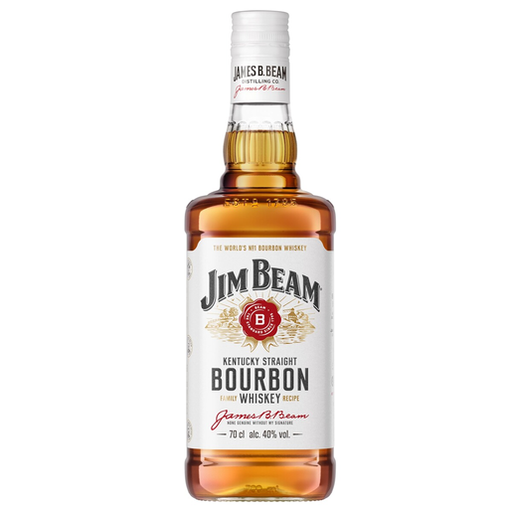
Why This Fits Their Persona: Ideal for anyone looking for an approachable and straightforward beginner's whiskey. Its sweet profile with notes of vanilla and oak makes it a reliable base for cocktails like a Whiskey Sour or for simply enjoying with cola.
This product doesn't rely on vague marketing terms. As a "Kentucky Straight Bourbon Whiskey," it meets clearly defined legal standards and offers a transparent, honest foundation without demanding an inflated price for ambiguous "premium" promises.
High versatility for cocktails and long drinks; a smooth, accessible flavour profile that serves as a great introduction to the world of Bourbon whiskey.
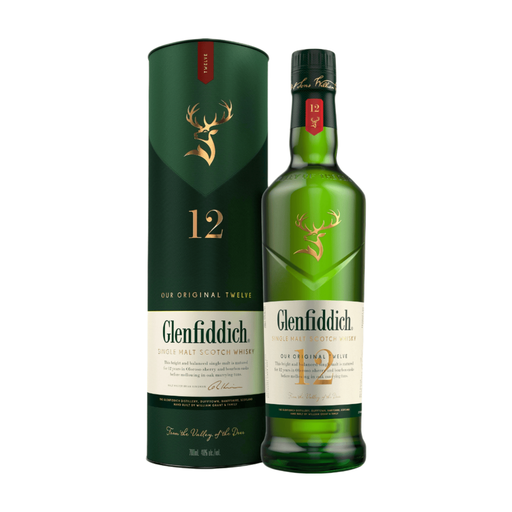
Why This Fits Their Persona: Perfect for connoisseurs who appreciate the typical fruity, smooth Speyside style or are looking for a recognised and high-quality gift. It is a benchmark for Single Malt Scotch and is known worldwide for its approachable character.
This product debunks the myth that single malts must always be inaccessible or overpriced. It offers a clear, defined standard for a 12-year-old Speyside malt, showing that quality and accessibility can go hand in hand.
Matured in Oloroso sherry and bourbon casks, which give it a characteristic aroma of fresh pear and delicate oak. A globally recognised standard for its category.
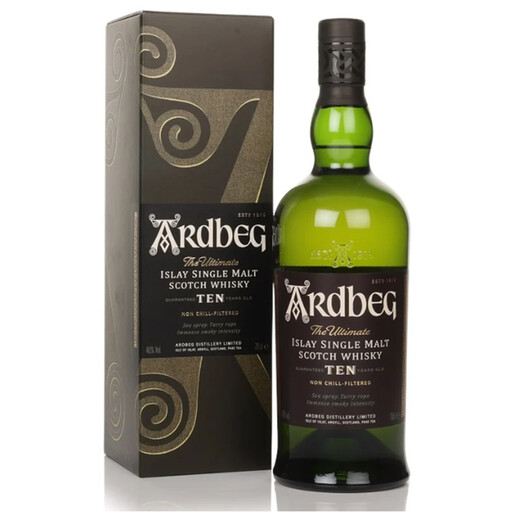
Why This Fits Their Persona: For those who specifically want to experience an intensely peated and smoky whisky. Ardbeg 10 is an icon of the Isle of Islay, offering a powerful yet balanced combination of smoke, sweetness, and maritime notes.
This product refutes the sweeping assumption that Scotch is always mild. It delivers exactly what its reputation promises: an intense smoke experience without hiding behind vague descriptions. Here, quality is measurable by objective features like the high ABV and the absence of chill-filtration.
Bottled at a robust 46% ABV and non-chill-filtered, ensuring a full mouthfeel and an unadulterated flavour profile. A benchmark product for Islay whiskies.
We have compiled a complete, up-to-date list of products that fully meet these strict selection criteria and UK regulations.
An opened bottle of whiskey should always be stored upright in a cool, dark place. Direct sunlight and significant temperature fluctuations should be avoided as they can impair the aromas. The cap must be tightly sealed to minimise alcohol evaporation and contact with oxygen. Unlike wine, whiskey does not continue to mature in the bottle.
In chill-filtration, the whisky is cooled to a low temperature and filtered before bottling. This purely cosmetic step prevents the whisky from becoming cloudy when ice or cold water is added. By forgoing this process (non-chill-filtered), more natural fatty acids, oils, and esters remain in the whisky. This can lead to a fuller mouthfeel and a more complex flavour profile. A slight cloudiness is a natural sign of quality here.
Not necessarily. The quality of a whisky depends on the distillates used and the Master Blender's skill in combining them harmoniously. A single malt is guaranteed to come from a single distillery, whereas a blend combines whiskies from different distilleries. There are numerous high-quality blended whiskies that impress with their complexity and balance, often offering excellent value for money compared to some single malts.