
Lieferung heute & morgen

Qualitätsgarantie

Willkommens-Angebote freischalten: KOSTENLOSE Lieferung | Bis zu 80 % RABATT | Kostenlose 30-Tage-JoyPlus-Testphase
App herunterladen
Cleaning windows, especially large glass fronts, conservatories, or on upper floors, is often a tedious and time-consuming task. Sometimes, it can even be risky. A window cleaning robot can be a significant help here. These devices automatically handle the cleaning of smooth surfaces, saving you time and effort.
As your Joybuy Product Recommendation Officer, I have analysed the essential features and functions of current models. This article serves as an objective guide to help you select a device that fits your needs. We will focus on technical specifications and practical use cases so you can make an informed decision.
Before you buy a robotic window cleaner, it's helpful to understand the key performance features. The technology has evolved, and modern devices offer more than just a simple wiping function.
Suction power, measured in Pascals (Pa), is a crucial factor. It not only ensures that the robot adheres securely to the vertical surface but also determines the contact pressure of the cleaning pads on the glass. Higher suction power can be advantageous for removing more stubborn dirt.
Look for multi-level safety systems. Standard features on many models include:
A smart window cleaner systematically plans its route to clean the entire surface without missing any spots. Common cleaning patterns are the N-shape (vertical paths) and the Z-shape (horizontal paths). Some devices combine both patterns for a particularly thorough cleaning.
Additional modes can be useful:
A window cleaning robot with a spraying function automates another step of the cleaning process. The device sprays cleaning fluid or water directly onto the glass in front of it. This ensures even moistening and can improve cleaning performance. Models with ultrasonic spray nozzles create a particularly fine mist that effectively dissolves dirt without creating drips. The size of the water tank determines how much area the robot can clean before it needs to be refilled.
Based on the criteria mentioned above, we have compiled a selection of models that stand out for their specific features and technical specifications.
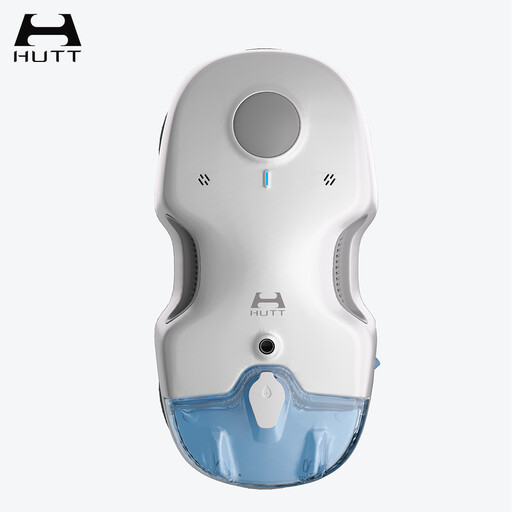
The HUTT C7 is a versatile automatic window cleaner distinguished by its intelligent adaptability and a large water tank.
Why this model stands out: The core technology is the HUTTHINK 5.0 Frequency Control. According to the manufacturer, the robot detects the surface type (e.g., glass, tiles) and dynamically adjusts the suction power. This allows for gentle yet thorough cleaning on various materials. The 80 ml water tank is designed to clean up to 60 m? of surface area on a single fill.
Advantages:
Who is it for? This model is a great choice for users with large window areas or various smooth surfaces in their home, such as tiled walls or glass doors, who value a high degree of device autonomy.
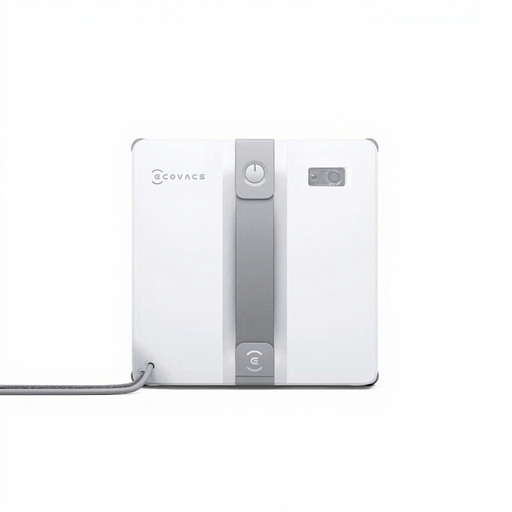
The Ecovacs WINBOT MINI focuses on a problem that many other devices cannot solve: cleaning narrow or obstructed windows.
Why this model stands out: Its extremely compact design is its main feature. With a body thickness of only 55 mm and a side length of 215 mm, it fits on small windows or in areas with obstacles like window grilles or handles. The ultrasonic atomisation technology creates a fine water mist to dissolve dirt.
Advantages:
Who is it for? Ideal for residents of apartments or houses with mullioned windows, narrow side windows, or windows partially blocked by grilles or other obstacles.
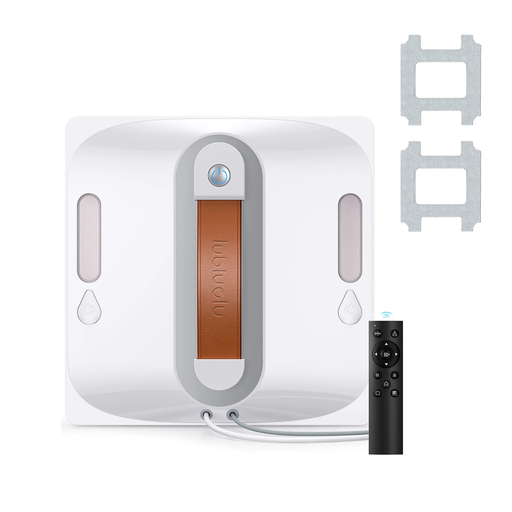
The Lubluelu CHYW201 places a special focus on edge cleaning and a multi-layered safety package at an attractive price point.
Why this model stands out: A dedicated edge cleaning mode, activated by remote control, makes the robot specifically travel along the window frames. This addresses a common weakness in automated window cleaning. The 8-stage safety system is comprehensive and includes automatic air pressure compensation in addition to sensors and a backup battery.
Advantages:
Who is it for? This model is a compelling option for budget-conscious buyers who do not want to compromise on thorough cleaning, especially at the edges, and comprehensive safety features.
The models presented here cover a range of different needs. However, if you are looking for more alternatives, accessories, or other glass cleaning devices, you can find more products in our broader category.
? Explore our entire range of window cleaning products
1. How safe are window cleaning robots in operation? Modern window cleaning robots are equipped with multi-level safety systems. These include strong suction power that holds the device to the window, a backup battery (UPS) that kicks in during a power failure, edge detection sensors to prevent falls, and a physical safety tether as an additional safeguard. When used correctly according to the manufacturer's instructions, operation is very safe.
2. Do window cleaning robots also work on frameless windows? Yes, most current models are suitable for use on frameless glass surfaces like shower screens or glass balustrades. They use infrared or pressure sensors to detect the edge of the surface and change direction in time to avoid falling.
3. How well are the corners of the windows cleaned? Due to their mostly round or square shape with rounded edges, most robots cannot reach the corners of a window 100%. A small area often remains untouched. However, some models offer special edge cleaning modes or have a cloth design that extends beyond the housing to maximise coverage in the edge areas. Manual wiping of the outermost corners may be necessary if required.