
Lieferung heute & morgen

Qualitätsgarantie

Willkommens-Angebote freischalten: KOSTENLOSE Lieferung | Bis zu 80 % RABATT | Kostenlose 30-Tage-JoyPlus-Testphase
App herunterladen
Window cleaning is one of those household chores that are often postponed. The result is rarely satisfactory: smears and streaks appear in the sunlight, and all the effort seems to have been in vain. The market promises a remedy with countless products, from simple sprays to fully automatic window cleaning robots. But not every solution delivers on its promise.
Many consumers invest in products that seem practical at first glance but quickly prove to be useless. Before you make a purchasing decision, it's important to know the most common pitfalls to save time and money.
To avoid these problems, you should focus on the crucial technical parameters rather than trusting marketing claims.
For manual yet streak-free window cleaning, two components are crucial: the glass cleaner and the window squeegee.
The decision between a manual window cleaning tool and an automatic window cleaner depends on the size of your window surfaces, your physical ability, and your budget.
Instead of making a one-size-fits-all recommendation, we have identified products that suit specific needs and user profiles.
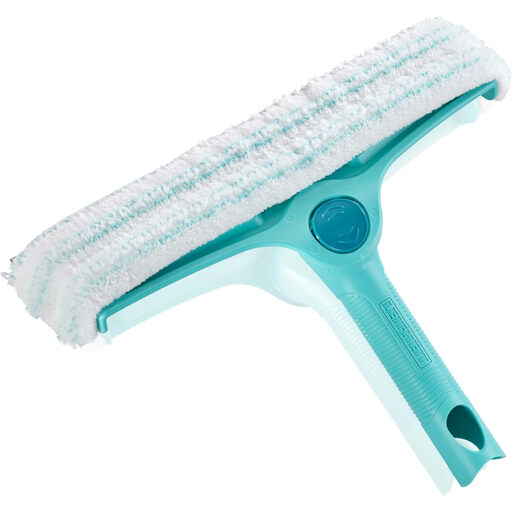
Why This Fits Their Persona: Ideal for users looking for a reliable, manual, and durable solution. This tool combines multiple steps without compromising on quality, making it perfect for standard apartments and houses.
It bypasses the trap of poorly designed all-in-one tools. The wrap-around microfibre cover specifically cleans frames and corners, while the high-quality silicone blade ensures a streak-free finish—features that often fail in cheap products.
4-in-1 Function: Washing, frame cleaning, squeegeeing, and angle adjustment in one device. Compatible with the Leifheit Click System for cleaning high windows.
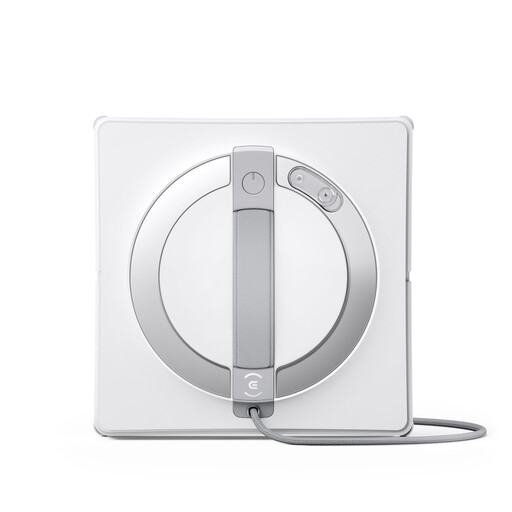
Why This Fits Their Persona: Perfect for homeowners with large window fronts, conservatories, or hard-to-reach windows who are looking for a fully automatic, time-saving, and safe solution. Ideal for smart home lovers who value convenience and technology.
This model debunks the myth of sheer suction power. Instead, it relies on a complete package of intelligent WIN-SLAM 4.0 path planning, a three-nozzle spray technology, and a 12-level safety system. These features are more crucial for a reliable cleaning result than an isolated Pascal value.
Multifunction Station: The station serves as a charger, storage, and carrying case all in one. The robot is powered during operation, enabling uninterrupted cleaning cycles.
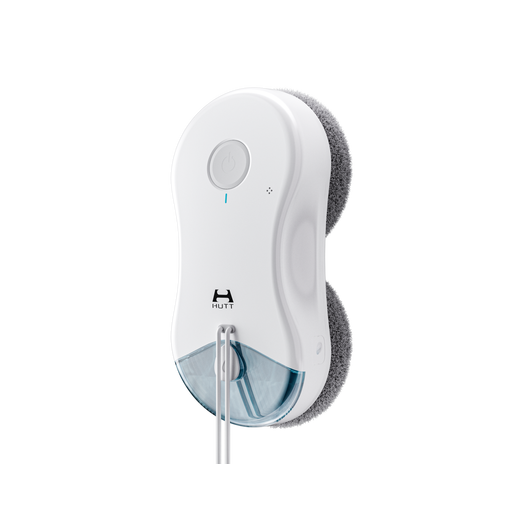
Why This Fits Their Persona: Suitable for small business owners with shop windows or for users who want quick, straightforward automation without being forced to use an app. Perfect for the regular cleaning of mirrors, tiles, and glass surfaces where quick deployment is key.
This device avoids the complexity trap of many smart devices. By using a remote control, it is ready for immediate use. It focuses on core functions like reliable edge detection and solid suction power of up to 5,400 Pa, rather than superfluous app features.
App-Free Operation: Control is simple via the device itself or the included remote. This allows for quick setup without pairing to a smartphone. The 80 ml water tank is sufficient for most standard windows.
We've compiled a complete, up-to-date list of products that fully meet these strict selection criteria and German safety regulations.
Maintenance is straightforward but crucial for longevity and performance. After each use, the microfibre pads should be washed to remove dirt buildup. Regularly check the drive tracks or wheels for hair or foreign objects. The cleaning fluid tank should be emptied after use to prevent deposits.
A streak-free result depends less on a single brand and more on the combination of product and technique. A good glass cleaner with a denatured alcohol base (e.g., from Frosch or Sidolin) effectively dissolves grease. Apply only a small amount and pull the liquid off with a high-quality window squeegee with a clean rubber blade in overlapping strokes. Wipe the blade with a dry cloth after each stroke.
Caution is advised. Most window cleaning robots are designed for vertical glass surfaces. Some models, like the HUTT DDC55 Pro, specify a maximum tilt angle (e.g., 60 degrees) and explicitly exclude classic, steep skylights. The reason is that if the incline is too steep, the suction power can decrease, and the device may fall. Always check the manufacturer's specifications for the maximum incline before purchase and always use the included safety tether.