
Lieferung heute & morgen

Qualitätsgarantie

Willkommens-Angebote freischalten: KOSTENLOSE Lieferung | Bis zu 80 % RABATT | Kostenlose 30-Tage-JoyPlus-Testphase
App herunterladen
Streaks on your windscreen, an annoying squeal with every wipe, or poor cleaning performance in the rain—these issues aren't just a nuisance; they're a safety hazard. Fully functional windscreen wipers are essential for clear visibility and safe driving.
This guide serves as a practical reference, explaining what to look for when buying, presenting various options, and helping you make an informed decision—whether you're considering a full replacement or a cost-effective repair.
The selection of wiper blades is vast. To find the right product for your vehicle and your needs, you should consider three key points.
The most critical factor is a perfect fit. Wiper blades are vehicle-specific. The lengths for the driver and passenger sides often differ, and the mounting type on the wiper arm varies by make and model. Check your vehicle's owner's manual for the required lengths and connector type. For example, models like the VW Golf 7 require a specific combination that differs from that of a Ford Fiesta. The wrong model will either not fit the wiper arm at all or fail to cover the field of vision correctly.
Two main types have established themselves on the market:
Before you buy new wiper blades, check the condition of your old ones. If the rubber edges are merely dirty from grime or wax residue, a thorough cleaning with a damp cloth and a little washing-up liquid may be all that's needed. While it's sometimes recommended to lubricate the windscreen wipers, this usually only provides a short-term fix for noise and doesn't address the root cause—a worn rubber edge.
If the rubber blade is porous, cracked, or hardened, a solution is unavoidable. There are two options here:
Here is a selection of products that cater to the different needs of drivers.
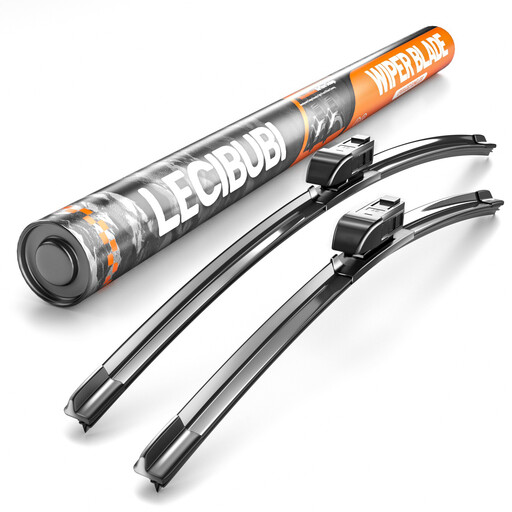
Why it stands out: This set is designed as a direct replacement for a wide range of Volkswagen Group vehicles. The lengths of 650 mm and 450 mm and the specific OE (Original Equipment) connector allow for a straightforward replacement without any extra adapters.
Pros:
Who it's for: Owners of the listed VW, Audi, Skoda, or Seat models who are looking for a hassle-free, direct-fit replacement solution that matches the original part.
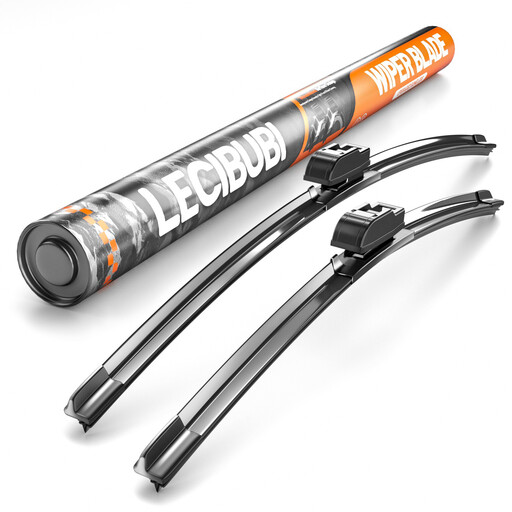
Why it stands out: This wiper blade set is designed for vehicles with a traditional U-hook connector (also known as a J-hook). With lengths of 550 mm and 400 mm, it covers a wide range of popular small and compact cars.
Pros:
Who it's for: Drivers of vehicles with U-hook wiper arms who are looking for a reliable and broadly compatible replacement solution for their car.
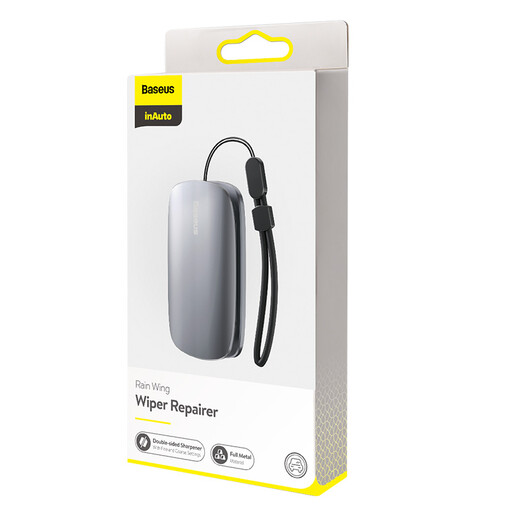
Why it stands out: Instead of completely replacing your wiper blades, this tool offers a way to refurbish them. The wiper blade cutter trims away the worn rubber edge, restoring a sharp, clean wiping surface.
Pros:
Who it's for: Budget-conscious drivers and DIY enthusiasts looking for a sustainable solution who want to repair their windscreen wipers instead of immediately replacing them.
Haven't found the right product for your vehicle model yet, or want to get a broader overview? In our category, you'll find an extensive selection of wiper blades for numerous car makes and models.
Explore more car windscreen wipers here
A general recommendation is to replace wiper blades every 12 to 24 months. However, the actual lifespan depends heavily on frequency of use, weather conditions (strong sunlight, ice), and the quality of the wiper blades. As soon as streaking, smearing, or chattering noises occur, it's time for a replacement or repair.
Squeaking noises from new wipers can have several causes. It's often due to a dirty or wax-coated windscreen. A thorough cleaning of the glass can solve the problem. Incorrect installation, where the wiper does not sit on the glass at the correct angle, can also cause noise.
On some traditional bracket wipers, it is possible to replace only the rubber blade. However, this requires some DIY skill. With modern beam wipers, the rubber blade is permanently integrated into the structure, which is why the entire wiper blade is usually replaced. An alternative is to refurbish the rubber blade with a cutter tool.