
Lieferung heute & morgen

Qualitätsgarantie

Willkommens-Angebote freischalten: KOSTENLOSE Lieferung | Bis zu 80 % RABATT | Kostenlose 30-Tage-JoyPlus-Testphase
App herunterladen
Proper storage is crucial for the full enjoyment of a wine. A wine cooler seems like the obvious solution, but the market is flooded with models whose marketing promises often obscure more than they clarify. Before you make a decision, it's essential to know the most common pitfalls that can lead to an unsuitable purchase.
Many buyers focus on superficial features, overlooking critical technical details. The result is often an appliance that fails to protect the wine optimally, becomes a nuisance in daily life, or simply doesn't fit their needs. Let's focus on the three most critical points that are often overlooked:
To avoid buyer's remorse, an objective evaluation of the technical parameters is essential. Instead of being guided by design or price alone, the following three aspects should be at the core of your considerations.
The choice between one and two zones depends directly on how you plan to use it.
The type of cooling has a direct impact on performance, noise level, and energy consumption.
The right size and form factor should be based on your collection and your home's style.
Based on these objective criteria, we have compiled a selection of products that meet a variety of requirements.
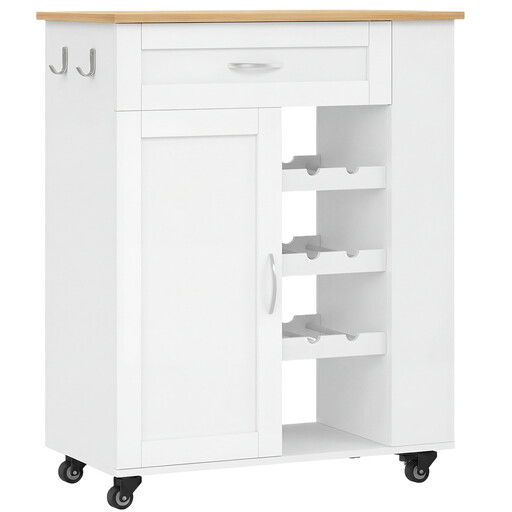
Why it's a great fit: Ideal for users seeking a flexible and stylish solution for presenting and serving wine, rather than climate-controlled storage. The cart combines a wine rack with practical storage and a work surface, fitting into a dining or living room as a multifunctional piece of furniture.
This product is a straightforward piece of furniture. It makes no promises of cooling, thus sidestepping the pitfalls of noise and inadequate technology. It focuses on organisation and presentation.
Combines wine storage, accessory space, and a mobile serving surface in a single, space-saving unit. The 360° castors allow for flexible use in different rooms.
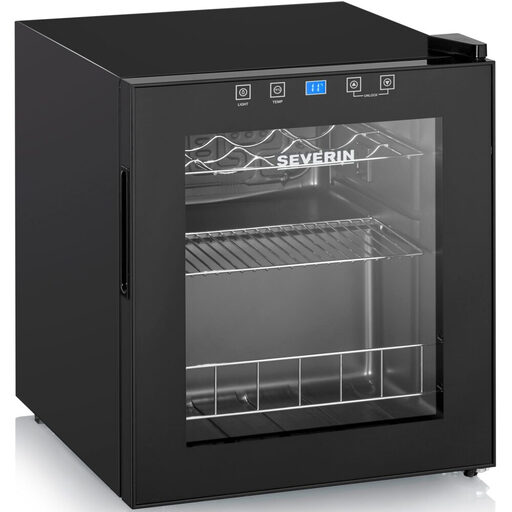
Why it's a great fit: A compact and functional wine cooler, perfect for wine lovers looking to store their first wines under controlled conditions. With space for 15 bottles, it provides a solid foundation without taking up much room.
The 15-bottle capacity is realistic for beginners and avoids the mistake of buying an oversized unit. The specified operating noise of 42 dB(A) is a transparent figure for a compressor unit in this price range, allowing for mindful placement.
With a temperature range of 4–18°C and a touch display, it offers precise adjustment options that are not a given in the entry-level category. The automatic defrost function reduces maintenance.
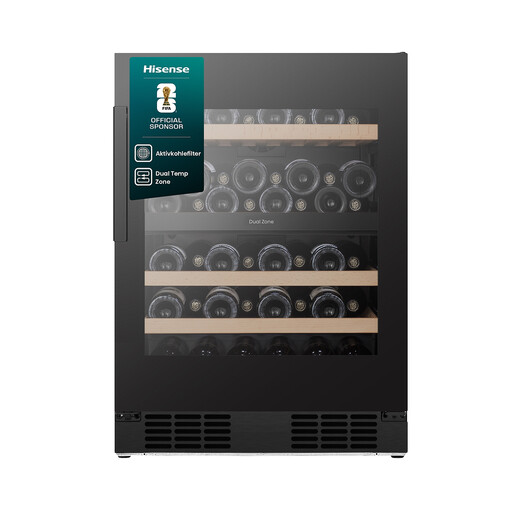
Why it's a great fit: Perfect for users who value precise control, modern features, and the simultaneous storage of red and white wine. The app control and Vivino integration offer added value that goes beyond simple cooling.
The door with anti-UV and Low-E glass specifically addresses the pitfall of inadequate UV protection. The two independent zones solve the problem of storing different wine types at their optimal drinking temperature simultaneously.
Control via the ConnectLife app allows for remote management of temperature and lighting. The activated carbon filter for odour removal is a clear feature for preserving the wine's aroma.
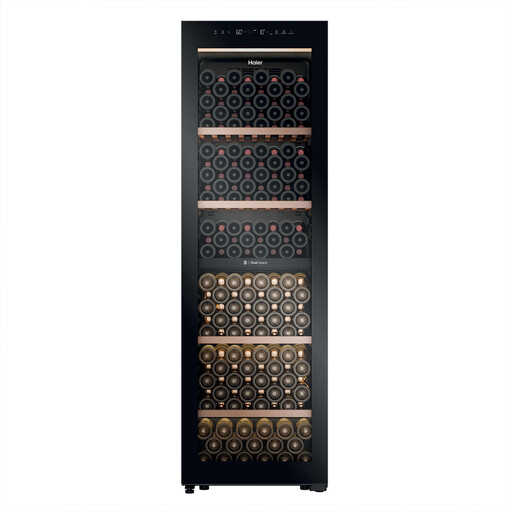
Why it's a great fit: This unit is designed for the long-term storage and maturation of an extensive collection. With a capacity of up to 201 bottles and professional-grade storage conditions, it is aimed at serious wine collectors who don't want to compromise.
The high capacity is designed for collectors, avoiding the common mistake of buying too small. The anti-vibration system and the UV-protected glass door directly address the risks to wine maturation that exist with simpler models.
Active humidity control (50–80%) is a crucial feature for long-term storage, as it prevents corks from drying out. The two temperature zones also allow for flexible use for both aging and serving.
We have compiled a complete, up-to-date list of products that fully meet these strict selection criteria and UK safety regulations.
Although the terms are often used interchangeably, there is a functional distinction. A wine cooler (or wine serving cabinet) is primarily used to bring wine to the correct drinking temperature and often has two zones. A wine aging cabinet is designed for long-term storage and maturation. It simulates the conditions of a wine cellar with a constant temperature, controlled humidity, and protection from light and vibration.
The noise level is specified in decibels (dB). Units under 40 dB are considered quiet and are often suitable for living areas. However, models with compressor cooling can produce a periodic, audible hum. Thermoelectric coolers are nearly silent. Pay attention to the manufacturer's specifications and consider whether the unit will be placed in an open-plan kitchen or in a utility room or cellar.
That depends on your drinking habits. If you regularly drink both red and white wine and want to have both types ready to serve at all times, a dual-zone wine cooler is a very worthwhile investment. If you mainly store wines for the long term and only occasionally chill a bottle in a regular refrigerator before drinking, a single-zone model will suffice.