
Lieferung heute & morgen

Qualitätsgarantie

Willkommens-Angebote freischalten: KOSTENLOSE Lieferung | Bis zu 80 % RABATT | Kostenlose 30-Tage-JoyPlus-Testphase
App herunterladen
Whether you’re choosing glasses for everyday use, a dinner party, a wedding or a hospitality business, wine glasses vary considerably in capacity, material, shape and care requirements. A low price per glass isn’t necessarily good value if the set is too small, delicate or difficult to clean for the way you intend to use it.
A stated capacity of 250 ml, 350 ml or 448 ml usually refers to the glass’s maximum capacity. Wine is rarely poured right up to the rim, though. Leaving room to swirl the wine and release its aromas is a good idea. 150 ml wine glasses are therefore better suited to smaller servings, tastings or events where pour sizes need to be controlled. Larger glasses can give red wine or cocktails more room, but they also take up more space in your cupboard and dishwasher.
Glass, crystal glass, crystalline glass and plastic don’t all offer the same durability. Traditional glass looks elegant, but can break if knocked. Polypropylene, or PP for short, is lighter and some products describe it as shatterproof or resistant to splintering. Polystyrene can be handy for one-off or occasional celebrations, but isn’t necessarily dishwasher-safe.
If you’re looking for shatterproof wine glasses for the patio, poolside or family gatherings, check the material and care instructions in the product description.
“Dishwasher-safe” doesn’t mean that every programme will leave the glasses looking as good as new indefinitely. Harsh detergents, high temperatures and glasses knocking against one another can cause scratches, cloudiness or damage to the stem. For delicate bowls, a gentle glass cycle or handwashing is often kinder to the material.
For a home, a wine glass set of four to six matching glasses is often easy to store. For parties, restaurants and events, sets of wine glasses with twelve glasses can be more practical, as they provide a useful reserve.
Standard glass is transparent, neutral in taste and suitable for wine, water and many other cold drinks. Crystalline glass may have a particularly clear appearance, according to the product description, but remains vulnerable to knocks and sudden changes in temperature. PP plastic glasses are lighter and are a good option for outdoor use.
Whatever the material, don’t pour hot liquids into products that are specifically intended for cold drinks only. Many wine glasses are also not suitable for use in a microwave or oven.
Before using your glasses for the first time, wash them with warm water and mild washing-up liquid. Before each use, check the bowl, base and stem for cracks or chips. Damaged glasses should no longer be used on the table.
Storage is also important for stemmed glasses. Not every model should be stacked inside another. A divider or a separate cupboard space can reduce the risk of scratches and broken stems.
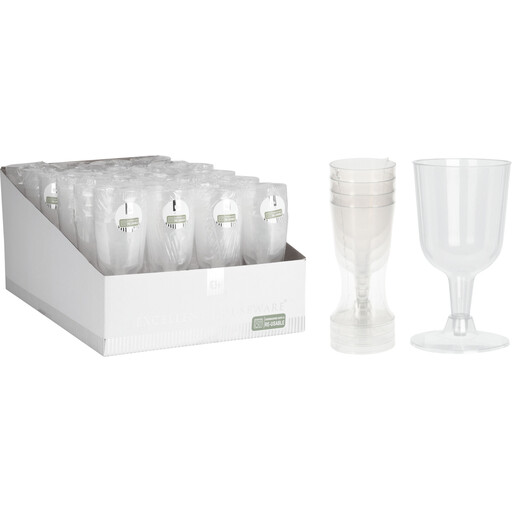
Why this product suits you: This set of four transparent PP glasses holds 160 ml per glass and is designed for everyday use, family homes and outdoor meals.
According to the product information, the material is shatterproof, making these a good alternative to delicate glass glasses for picnics or patio dining.
Four glasses per set, 160 ml capacity, lightweight PP and, according to the product description, dishwasher-safe.
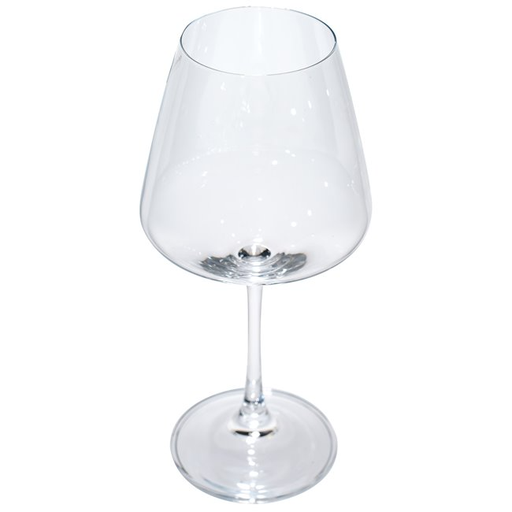
Why this product suits you: This 360 ml crystalline glass combines a generous bowl with a height of 20.6 cm, making it suitable for formal table settings and a range of wines.
Clear details on the 360 ml capacity, 20.6 cm height, material and dishwasher suitability make it easier to choose based on facts you can check.
Crystalline glass, a generous bowl, a transparent finish and, according to the product details, dishwasher-safe.
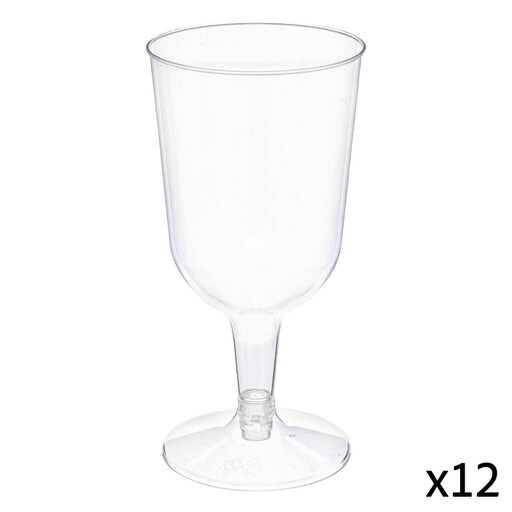
Why this product suits you: Twelve transparent 150 ml glasses are ideal for parties, events, bars, restaurants and larger gatherings at home.
The number of glasses is clearly stated, so you won’t accidentally plan for a small set of two or four for a party.
12 glasses, 150 ml capacity, transparent glass and, according to the product description, dishwasher-safe.
We’ve put together a comprehensive, regularly updated list of products that meet these strict selection criteria and fully comply with the safety regulations in force in the EU.
For everyday use, glasses holding around 150 ml to 250 ml are practical if you want smaller servings and don’t have much storage space. 350 ml wine glasses and larger bowls offer more room to swirl the wine, making them a better fit for red wine, special meals or a wider range of uses.
The label generally means the glasses can be cleaned in a dishwasher. Even so, use a gentle programme, avoid letting the glasses touch one another and check the manufacturer’s instructions. Handwashing can help keep crystalline glass clear and in good condition for longer.
Shatterproof models are often made from plastic such as PP, making them suitable for outdoor use, homes with children or events where there’s a greater risk of knocks. Traditional glass models offer a different feel and appearance, but need to be handled, stored and cleaned more carefully.