
Lieferung heute & morgen

Qualitätsgarantie

Willkommens-Angebote freischalten: KOSTENLOSE Lieferung | Bis zu 80 % RABATT | Kostenlose 30-Tage-JoyPlus-Testphase
App herunterladen
Finding the right pair of women's performance shorts can quickly become overwhelming. The market offers a vast array of models, all advertising special features. But not every pair of shorts lives up to its promise. Certain design flaws or exaggerated marketing claims often lead to a purchase that proves impractical in hindsight. This guide will show you what to look for to make an informed decision.
Before we dive into the crucial features, let's look at three common problems that arise with low-quality performance shorts and can significantly compromise comfort.
To avoid these pitfalls, you should focus your attention on three objective criteria. These define the true functionality and durability of a pair of athletic shorts.
The foundation of any good pair of performance shorts is the material. Instead of just relying on the term "quick-dry," check the exact composition.
The cut determines comfort and functionality during your activity.
Pockets are only useful if they are well-designed.
Based on these objective criteria, we have identified a few models that are suitable for specific use cases.
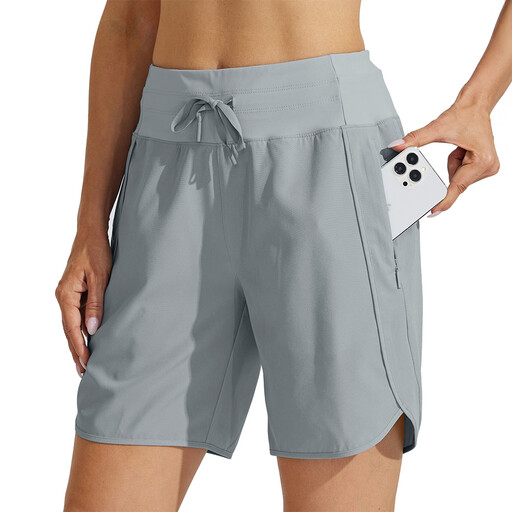
Why it's a great fit: Ideal for women who want a versatile pair of shorts for the gym, running sessions, and general workouts. The combination of functionality and classic design covers most athletic activities.
These shorts feature a zippered pocket that keeps valuables secure. The high, wide waistband provides reliable support and prevents slipping during intense movement.
The 7-inch inseam (approx. 18 cm) offers a good balance of coverage and freedom of movement. The material is specified as quick-drying and lightweight.
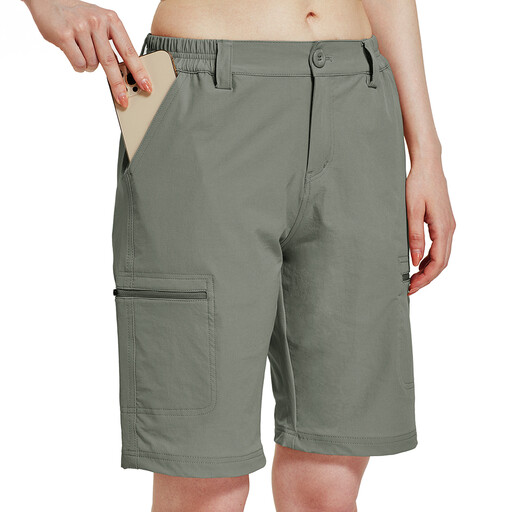
Why it's a great fit: Designed for hiking and other outdoor activities where durability, storage space, and weather protection are top priorities.
This model solves the problem of insufficient storage with multiple cargo pockets. The stretch material ensures that the longer fit does not restrict freedom of movement.
The 10-inch inseam (approx. 25 cm) offers increased protection from brush and sun exposure. The fabric is designated as water-repellent and quick-drying.
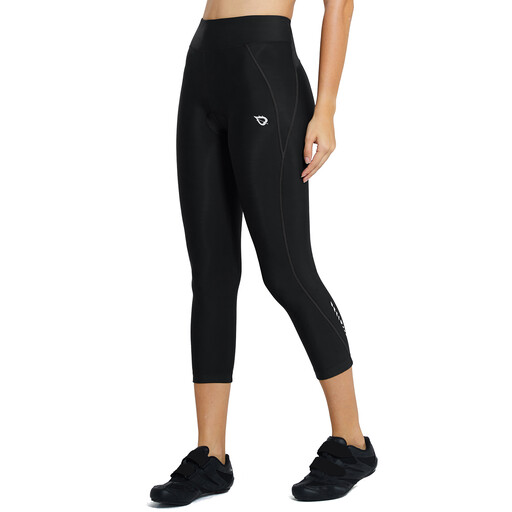
Why it's a great fit: A specialized pair of shorts for female cyclists who value comfort and functionality on long rides. It addresses the specific demands of cycling.
This model avoids the compromise of using an all-purpose short for a specialized discipline. The integrated padding prevents pressure points, a problem that quickly arises with unsuitable shorts.
According to the manufacturer, it features 3D gel padding to dampen vibrations. Silicone grippers on the leg cuffs prevent them from riding up during the ride.
A blend of polyester and elastane is an excellent choice for most athletic activities. Polyester effectively wicks sweat away from the skin and dries quickly. Elastane provides the necessary stretch so the shorts move with you without losing their shape. For outdoor activities, a polyamide (nylon) content can also be beneficial, as this material is considered particularly robust and abrasion-resistant.
The optimal length depends on the activity and personal preference:
Not necessarily. The price should reflect the technologies used and the quality of construction, not just the brand name. Look for features like flatlock seams, a well-designed high waistband, a high-quality stretch material, and functional zippered pockets. A higher price can be justified if it is based on better materials and a more durable construction that demonstrably improves comfort and functionality.