
Lieferung heute & morgen

Qualitätsgarantie

Willkommens-Angebote freischalten: KOSTENLOSE Lieferung | Bis zu 80 % RABATT | Kostenlose 30-Tage-JoyPlus-Testphase
App herunterladen
A women's sun hat is a functional accessory with a primary purpose: protecting your scalp, face, and neck from ultraviolet (UV) radiation. Choosing the right model depends on objective criteria like material composition, brim width, and design features tailored to your specific needs. This article breaks down the key technical parameters to consider when making your purchase.
The effectiveness of a sun hat is determined by a combination of its material, construction, and fit. An informed decision is based on weighing these technical factors.
The choice of material influences properties such as breathability, weight, packability, and protective performance.
The protective effect of a hat correlates directly with the width of its brim. A wide-brimmed hat (typically over 7 cm) can shade not only the face but also the ears and neck.
A UV protection hat is often rated with an Ultraviolet Protection Factor (UPF). This value indicates how much of the sun's UV radiation is blocked by the fabric. For example, a UPF of 50 means that only 1/50th (or 2%) of UV radiation can penetrate the fabric. This rating is based on standardised testing procedures.
Different design elements become crucial depending on the intended activity, whether it's for the beach and garden or for athletic pursuits.
The following models were selected based on their specific technical features and material combinations.
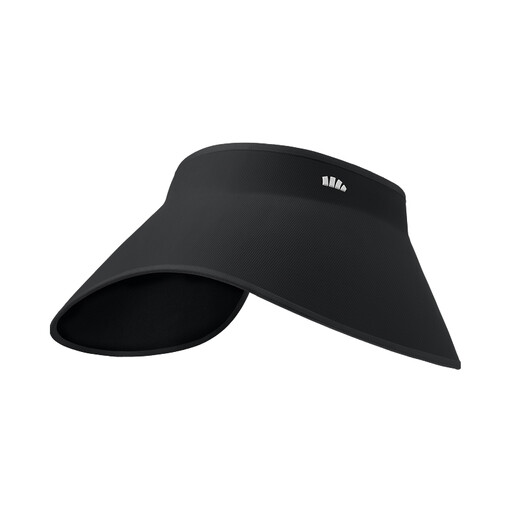
Why we're featuring this product: This model combines a very wide 14 cm brim with an open-top design. This construction maximises ventilation at the crown while providing extensive shade for the face and sides of the neck. The integrated memory technology allows it to be folded without losing its shape.
Pros:
Who it's for: Individuals who prioritise maximum head ventilation during sports or in high temperatures, while still requiring intense sun protection for their face.
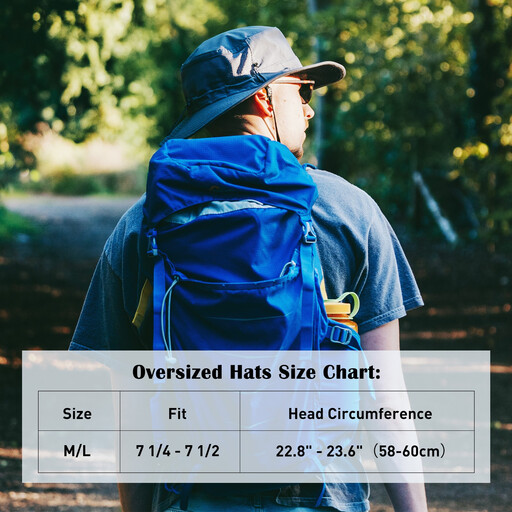
Why we're featuring this product: This women's bucket hat is designed for versatility and functionality in the outdoors. The waterproof nylon material, certified UV protection, and thoughtful details like the ponytail opening make it a practical companion for hiking or gardening.
Pros:
Who it's for: Users seeking a robust, weatherproof, and adjustable outdoor hat for various activities like hiking, fishing, or travelling.
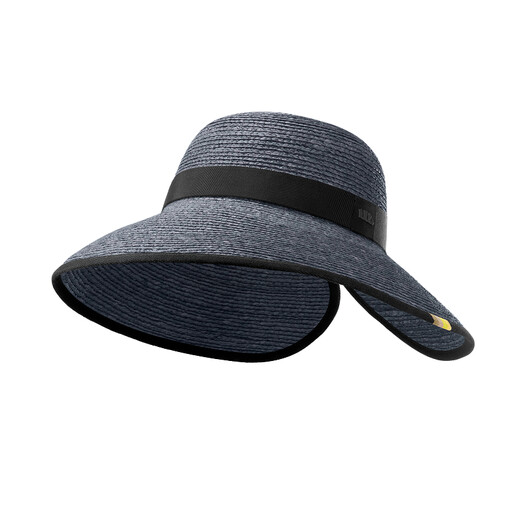
Why we're featuring this product: This model blends the aesthetic of a classic women's straw hat with functional features. The use of imported raffia straw in a special weaving technique ensures high density and opacity. The integrated cooling sweatband is a technical detail that enhances wearing comfort.
Pros:
Who it's for: Users who prefer a women's summer hat with a classic look but don't want to compromise on modern comfort features like a moisture-regulating inner band. Ideal for the beach, garden, or city wear.
The products featured here represent a selection covering different needs. The entire range of protective headwear includes other materials, shapes, and designs. You can find a broader overview in our Wide-Brimmed Hats category.
1. What does the UPF rating on a sun hat mean? The Ultraviolet Protection Factor (UPF) is a metric for textiles that indicates how effectively a fabric protects against UVA and UVB rays. A fabric with a UPF 50 rating, for example, allows only 1/50th of UV radiation to pass through. The rating is determined under laboratory conditions and is an indicator of the material's own protective performance.
2. Which material is best for a women's summer hat? The choice of material depends on the intended use. Natural fibres like raffia straw are very breathable and lightweight, making them suitable for dry, hot days. Synthetic fabrics like nylon or polyester are often more robust, water-repellent, and easier to care for, making them a good choice for sports or changeable weather. Mesh panels can improve ventilation in synthetic hats.
3. How do I determine the correct hat size? To find your hat size, measure your head circumference with a flexible measuring tape. Place the tape about one centimetre above your ears and eyebrows, around the widest part of your head. The measurement in centimetres corresponds to your hat size. Many models also offer adjustable inner bands or are specified in size ranges (e.g., 56-58 cm) to allow for a more precise fit.