
Lieferung heute & morgen

Qualitätsgarantie

Willkommens-Angebote freischalten: KOSTENLOSE Lieferung | Bis zu 80 % RABATT | Kostenlose 30-Tage-JoyPlus-Testphase
App herunterladen
A good wooden cutting board is the cornerstone of any kitchen. It's gentle on your knife blades, provides a stable work surface, and can even double as a stylish serving platter. However, the market is flooded with products that over-promise and under-deliver. Many home cooks face the disappointment of a new wooden board that warps, cracks, or dulls their knives faster than expected after just a few weeks.
As your Joybuy Product Recommendation Officer, I'm here to help you navigate the common pitfalls. We will focus on the objective features that define a durable and functional cutting board, ensuring your next purchase is a worthwhile investment.
Before we dive into the ideal characteristics, let's identify the most common issues that lead to a bad purchase:
To avoid these traps, you should check three core parameters. These will help you objectively evaluate a product's quality.
The choice of wood directly impacts durability, maintenance, and how well it protects your knives.
A good wooden kitchen board is distinguished by thoughtful details.
Based on these objective criteria, we have selected a few products from our range that are suitable for different user profiles.
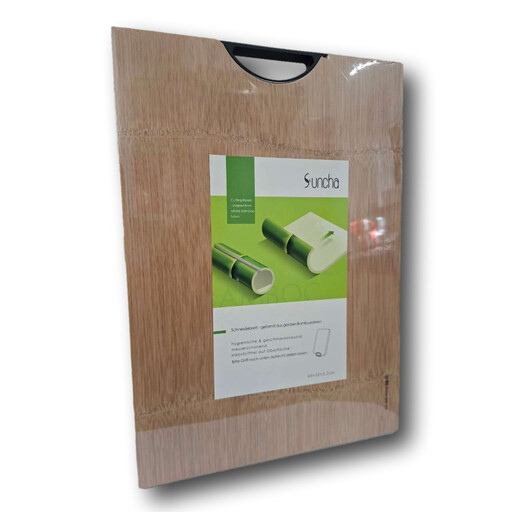
Why This Fits Their Persona: Ideal for anyone looking for a robust, large, and no-fuss board for daily meal prep. The generous surface is perfect for chopping vegetables, slicing bread, or preparing meat.
The solid bamboo construction with a thickness of 26 mm provides high stability and effectively resists warping, a common weakness of thinner boards.
Very large work surface (45 × 32 cm) and an integrated handle for easy handling and storage.
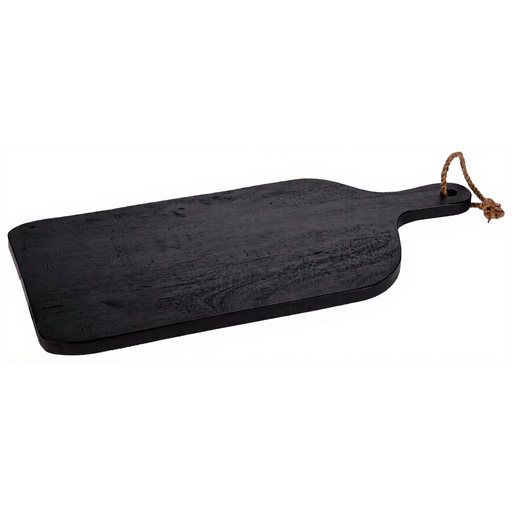
Why This Fits Their Persona: This board combines functionality with an elegant, dark aesthetic. It's perfect as a wooden serving board for cheese, charcuterie, or as a wooden breakfast board, and looks great on any dining table.
The food-safe coating protects the wood and ensures a long-lasting finish that won't quickly fade or stain—a clear advantage over untreated, purely decorative boards.
Very generous dimensions (58 × 28 cm) and a multifunctional design that combines preparation and serving.

Why This Fits Their Persona: This cutting board set offers maximum flexibility. With three different sizes, tasks can be separated hygienically (e.g., one board for meat, one for vegetables). Ideal for cooks who appreciate an organized and efficient system.
According to the manufacturer, the special carbonization of the bamboo increases durability and reduces moisture absorption. This counteracts warping and cracking, a common problem with cheaper board sets.
Three different sizes for various tasks, each equipped with juice grooves and practical handles.
We have compiled a complete, up-to-date list of products that fully meet these strict selection criteria and German safety regulations.
Proper care is crucial for longevity. Clean the board by hand after use with warm water and mild dish soap. Rinse it thoroughly and dry it immediately with a cloth. Store it upright to allow air to circulate. Important: Wooden cutting boards should never be put in the dishwasher or left to soak in water. To prevent the wood from drying out, rub it regularly (about every 4-6 weeks) with a food-safe mineral oil.
There is no one-size-fits-all answer, as the choice depends on personal needs.
Yes, it is hygienic with proper handling. Many types of wood have natural antibacterial properties. The key is cleaning: wash the board thoroughly with hot water and dish soap immediately after contact with raw meat or poultry. It is also good practice to use separate boards for raw meat and for ready-to-eat foods (like vegetables or bread) to avoid cross-contamination. A cutting board set can be very helpful for this.