
Lieferung heute & morgen

Qualitätsgarantie

Willkommens-Angebote freischalten: KOSTENLOSE Lieferung | Bis zu 80 % RABATT | Kostenlose 30-Tage-JoyPlus-Testphase
App herunterladen
A high-quality wooden cutting board is more than just a surface—it's an essential tool in any kitchen. It protects your knives, provides a stable workspace, and can even double as a stylish wooden serving board. However, the market can be overwhelming, and not every board lives up to its promise. Many buyers are frustrated by warped boards, knives that dull quickly, or unhygienic surfaces.
This guide will help you avoid the common pitfalls. We'll show you the key features to look for to make a durable, functional choice that perfectly suits your needs.
Before you make a decision, you should be aware of the most common problems that arise with low-quality products. This will help you avoid a bad purchase.
To steer clear of these problems, focus on the following three core features.
The choice of material is fundamental. Classic hardwoods like oak, acacia, walnut, or rubberwood are proven options. They offer a good balance of hardness and blade protection. Pay attention to the construction: boards made of end grain wood are particularly gentle on knives, as the blade glides between the upright wood fibres. Boards made of edge grain wood are more robust and often more affordable.
A bamboo cutting board is a popular alternative. Bamboo is technically a grass, but its woody stalk is extremely hard, dense, and absorbs little moisture. This makes it durable and easy to care for. However, due to its hardness, it can be more taxing on very sensitive knife blades than softer woods.
The right size depends on your workspace and cooking habits. A large cutting board (e.g., 40 cm or longer) is ideal for preparing entire meals or as a carving board for roasts. For quickly chopping vegetables or herbs, a smaller board is often sufficient.
A crucial detail is the juice groove. This surrounding channel catches liquids from meat, fruit, or juicy vegetables, keeping your countertop clean. Boards without a juice groove are better suited for dry foods like bread or cheese. The thickness of the board (ideally 2 cm or more) ensures stability and longevity.
Consider what you will primarily use the board for.
Here are some recommendations tailored to different user profiles that take the above criteria into account.
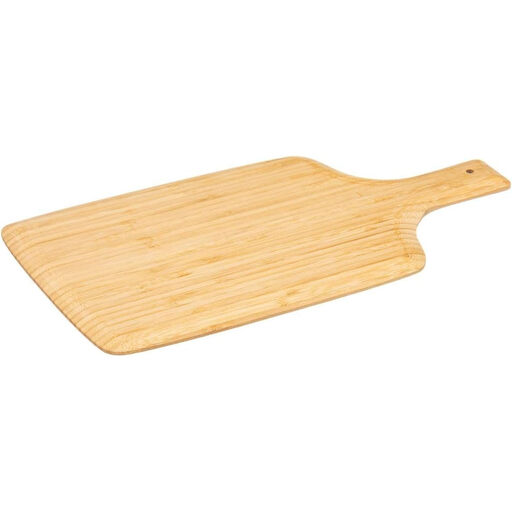
Why it's a great fit: Ideal for kitchens with limited space or for those who need a simple, functional board for everyday cutting tasks like vegetables or fruit. Its compact size makes it easy to handle and store.
This bamboo board is naturally resistant to warping from moisture and offers solid performance without the high price of a designer board.
Compact size and low-maintenance bamboo material. The integrated handle makes it easy to use.

Why it's a great fit: For anyone who cooks regularly and needs a reliable, large workhorse. The generous surface provides space for multiple ingredients at once, and the juice groove is indispensable when processing meat or juicy vegetables.
Avoids the trap of a board that's too small or impractical. The 45 x 30 cm size and integrated juice groove make it a true workhorse that keeps your countertop clean.
Large format with a practical juice groove. The bamboo material is knife-friendly and durable. The board is also reversible for hygienic separation of foods.
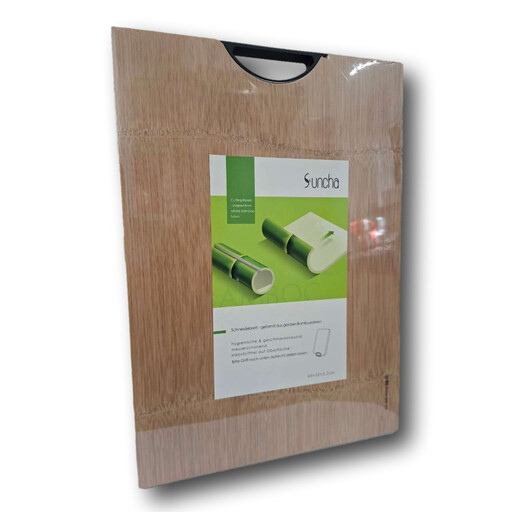
Why it's a great fit: This board combines functionality with aesthetics. It's large and thick enough to serve as a carving board for a Sunday roast, and thanks to its handle and solid appearance, it's also perfect as a serving platter for cheese, bread, or antipasti.
Avoids the need to buy two separate boards (one for cutting, one for serving). This model is a multifunctional tool that looks great both in the kitchen and on the dining table.
Extra thick (26 mm) and sturdy construction from solid bamboo. The integrated handle makes it easy to transport from the stove to the table.
We have compiled a complete, up-to-date list of products that fully meet these strict selection criteria and German safety regulations.
Proper care is crucial for longevity. Clean the board by hand after each use with warm water and a mild dish soap. Important: Never put a wooden board in the dishwasher or soak it in water, as it can warp or crack. Dry it thoroughly and preferably store it upright so that air can circulate. To protect the wood from drying out, you should regularly (about once a month) treat it with a food-safe mineral oil or special wood care oil.
Both materials have their merits. In general, wood is considered particularly knife-friendly, especially end-grain boards. The wood fibres yield slightly, protecting the fine edge of the blade. Bamboo is harder and more resistant to deep cuts, which makes it very hygienic. However, this hardness can lead to slightly faster wear on very high-quality or sensitive knives over time. For most household knives, however, the difference is minimal in practice.
A wooden cutting board should be replaced when it has deep grooves or cuts that can no longer be properly cleaned. Food residues and bacteria can get stuck in these crevices. Also, if the board is severely warped, has developed cracks, or can no longer be repaired, it's time for a replacement, as it no longer provides a safe and hygienic work surface.