
Lieferung heute & morgen

Qualitätsgarantie

Willkommens-Angebote freischalten: KOSTENLOSE Lieferung | Bis zu 80 % RABATT | Kostenlose 30-Tage-JoyPlus-Testphase
App herunterladen
The search for a new yoga mat can quickly become overwhelming. The market is flooded with models that promise similar features but perform very differently in practice. Many buyers only realise after a few weeks that their new mat is unsuitable for their needs. This guide highlights the most common pitfalls and shows you which objective criteria really matter when making your choice.
Before you make a decision, it's helpful to know the typical issues that can lead to a bad purchase. These are often based on exaggerated marketing claims or a misunderstanding of the product's features.
To find the right home workout mat or studio mat, you should focus on three verifiable core features.
The thickness is the decisive factor for your mat's intended use. It's not about finding the thickest mat, but the right one for your practice.
The material determines not only the feel and smell but also the durability and slip-resistance.
A truly non-slip yoga mat is distinguished by a well-designed surface structure. Look for models with a double-sided texture:
An included yoga mat carrying strap is also a practical feature for easy transport and storage.
Here are some recommendations tailored to specific user profiles and the criteria mentioned above.
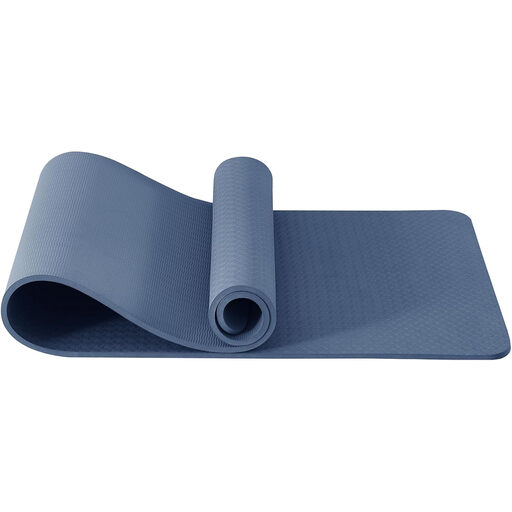
Why it's a great fit: Ideal for users looking for a Pilates mat or gymnastics mat for home workouts. The focus is on maximum cushioning to protect the knees, hips, and spine during floor exercises.
This mat bypasses the "one-thickness-fits-all" trap by clearly targeting users who need high cushioning, rather than being positioned as a universal yoga mat for balance exercises.
The 10 mm thick high-density TPE padding offers exceptional joint protection. The double-sided non-slip texture ensures safety.

Why it's a great fit: A classic all-around fitness mat for people who practice yoga, general fitness, and HIIT. The 6 mm thickness provides the necessary stability for standing poses without sacrificing basic cushioning.
It solves the false promise of non-slip grip with a dual-texture design: a line structure on top for hand grip and a wave structure underneath for floor grip.
The balanced 6 mm thickness in TPE material offers a great balance between stability and comfort. Its light weight and carrying strap make it highly portable.
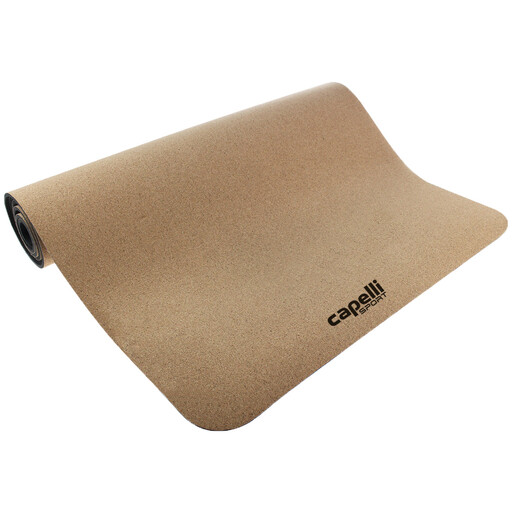
Why it's a great fit: Designed for users who practice hot yoga or sweat heavily during their workouts. The cork surface provides a natural feel and improves grip as moisture increases.
It addresses the confusing material options by offering a specific solution to a common problem: losing grip when sweating. The combination of cork and TPE is functional and well-thought-out.
The natural cork surface offers excellent slip-resistance that actually increases with moisture. The 5 mm thickness simultaneously ensures good stability.
If you need a mat with even more cushioning, we have compiled a selection of products that meet these criteria.
Most TPE mats are easy to care for. Wipe the mat with a damp cloth after use. For heavier soiling, you can use a mild soap solution. Then, let the mat air dry completely before rolling it up again. Machine washing is not recommended as it can damage the material.
The lifespan of a gym mat depends on the frequency of use, the intensity of the workout, and how it's cared for. A high-quality TPE mat can last between two and five years with regular use (several times a week). Signs that it's time for a replacement include reduced grip, visible wear and tear, or if the material starts to crumble.
This is a common issue with new mats. A simple solution is to roll the mat in the opposite direction for a while and leave it like that. Alternatively, you can lay it flat on the floor and weigh down the corners with books for a few hours. To prevent this, it's best to store the mat loosely rolled and not too tightly strapped.